Alhambra Night Tour Attendance Revenue: How Evening Tourism Became a Major Economic Driver in Granada

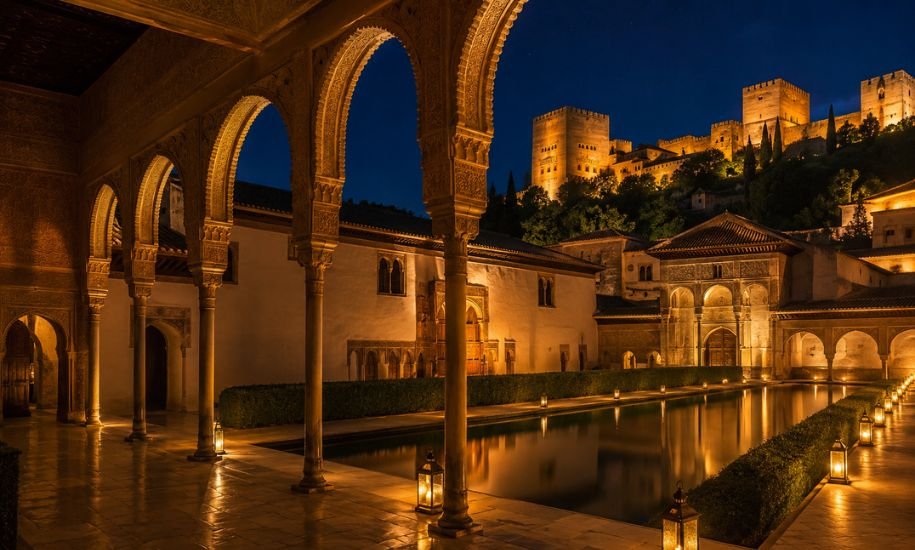
The Alhambra in Granada, Spain, is one of the world’s most visited historical landmarks. Famous for its Islamic architecture, royal palaces, beautiful courtyards, and breathtaking views of the Sierra Nevada mountains, the UNESCO World Heritage Site attracts millions of visitors every year. While daytime tourism has traditionally dominated the attraction, recent years have seen a remarkable rise in interest surrounding evening experiences. This has brought increasing attention to the topic of Alhambra night tour attendance revenue and the growing financial impact of nighttime cultural tourism.
Night tours at the Alhambra offer visitors a completely different atmosphere compared to daytime visits. Under soft lighting and cooler evening temperatures, the Nasrid Palaces and Generalife Gardens transform into an unforgettable cultural experience. The exclusivity of these tours, combined with limited ticket availability, has helped create a premium tourism model that generates impressive revenue while preserving the historic monument.
In recent years, tourism analysts, travel bloggers, and local business reports have estimated that Alhambra night tours contribute millions of euros annually to Granada’s economy. As global tourism trends shift toward unique and immersive experiences, the Alhambra has successfully positioned its evening tours as a luxury cultural attraction. This strategy has increased both attendance and profitability without overwhelming the historic site.
The Rising Popularity of Alhambra Night Tours
The Alhambra has always been one of Spain’s top tourist attractions, welcoming approximately 2.6 to 2.7 million visitors annually. However, daytime visits often face challenges such as overcrowding, intense summer heat, and limited availability during peak travel seasons. To address these issues while enhancing visitor experiences, the administration expanded and promoted nighttime visits.
Night tours quickly became popular among travelers seeking quieter and more intimate experiences. Many tourists describe the evening atmosphere as magical because the architecture appears more dramatic under carefully designed lighting systems. The illuminated walls, reflective pools, and peaceful courtyards create a sense of mystery and elegance that differs greatly from daytime tourism.
Travel blogs and tourism websites estimate that annual attendance for night tours ranges between 100,000 and 150,000 visitors. During peak summer months, nightly attendance can reach 400 to 500 guests. Although these numbers are significantly smaller than total daytime attendance, the premium pricing of night tours generates substantial revenue.
One reason for the popularity of these tours is exclusivity. Tickets are limited to preserve the historical structure and provide a high-quality experience. Travelers often book weeks or even months in advance, especially during summer holidays. This scarcity increases demand and allows operators to maintain higher prices.
Understanding Alhambra Night Tour Revenue
The topic of Alhambra night tour attendance revenue has become increasingly important because the evening tourism model demonstrates how cultural heritage sites can maximize earnings while protecting historical integrity.
Industry estimates suggest that night tours generate between €5 million and €12 million annually. This figure comes from ticket sales, guided experiences, private tours, photography packages, and related tourism spending in Granada.
Several factors contribute to this impressive revenue:
Premium Ticket Pricing
Night tours typically cost more than regular daytime tickets. Visitors are willing to pay extra for:
- Smaller crowds
- Better photography opportunities
- Exclusive access
- Cooler temperatures
- Romantic atmosphere
- Specialized guided experiences
Luxury travelers especially value these premium cultural experiences, making nighttime tourism highly profitable.
Seasonal Demand
Tourism peaks during summer months when Granada experiences heavy international visitor traffic. Reports indicate that July alone can generate nearly €900,000 in night-tour revenue. High demand during weekends and holiday periods further boosts earnings.
Guided and Private Tours
Many visitors prefer guided evening tours because they provide deeper historical insights. Private experiences can significantly increase spending per visitor. VIP packages, multilingual guides, and exclusive access tours often command premium prices.
Longer Tourist Stays
Night tours encourage tourists to spend more time in Granada. Instead of visiting the Alhambra as a quick day trip, many travelers choose overnight accommodations to enjoy evening experiences. This creates additional revenue for hotels, restaurants, transportation services, and local shops.
Economic Impact on Granada
The Alhambra is not just a cultural symbol; it is also one of the most important economic engines in Granada. Studies and tourism reports frequently highlight how Alhambra tourism contributes millions of euros to the regional economy every year.
Night tourism plays a particularly valuable role because evening visitors often participate in broader leisure activities. Many tourists dine at local restaurants before or after tours, book nearby hotels, or explore Granada’s nightlife. This extended tourism spending benefits local businesses across multiple sectors.
Some tourism analysts estimate that the Alhambra contributes over €1.4 million in daily economic activity to Granada during peak seasons. Night tours strengthen this economic effect by distributing tourism spending beyond daytime hours.
Restaurants near the Alhambra frequently adapt their schedules and menus to cater to evening visitors. Boutique hotels also promote special accommodation packages linked to nighttime tours. Local guides, photographers, taxi services, and souvenir shops all benefit from the steady flow of evening tourists.
The success of the Alhambra’s night-tour model has inspired other historic sites in Spain and Europe to explore similar tourism strategies.
Why Travelers Prefer Night Tours
Several modern tourism trends explain why night tours continue to grow in popularity.
Desire for Unique Experiences
Modern travelers increasingly seek memorable experiences rather than traditional sightseeing. A nighttime visit to the Alhambra offers a cinematic and emotionally engaging atmosphere that feels more personal and immersive.
Social Media Influence
Instagram, TikTok, and travel blogs have played a major role in promoting Alhambra night tours. Photos of illuminated courtyards, glowing arches, and moonlit gardens attract millions of views online. This digital exposure has helped increase global awareness and demand.
Comfortable Visiting Conditions
Granada’s daytime summer temperatures can become extremely hot. Evening tours offer cooler weather and a more comfortable environment, especially for international tourists unfamiliar with southern Spain’s climate.
Reduced Crowding
Daytime visits can feel crowded due to the Alhambra’s global popularity. Night tours intentionally limit attendance, creating a quieter and more relaxing experience. Many travelers consider this exclusivity worth the additional cost.
Sustainable Tourism and Preservation
One of the most important aspects of the Alhambra night-tour strategy is sustainability. Unlike mass tourism models that prioritize high visitor numbers, the Alhambra focuses on controlled attendance and higher per-visitor revenue.
This approach supports long-term preservation of the UNESCO heritage site. Limited nightly attendance reduces physical stress on fragile historical structures while maintaining a high-quality experience.
Tourism experts often describe this as a “low volume, high value” model. Instead of maximizing visitor numbers, the Alhambra maximizes visitor value. This strategy generates strong revenue without causing excessive overcrowding or environmental damage.
Revenue from tourism also helps fund maintenance, restoration, security, and conservation projects. As a result, tourism income directly supports preservation efforts.
The balance between economic success and cultural protection is one reason why the Alhambra is frequently cited as a successful example of sustainable heritage tourism.
International Visitor Trends
The Alhambra attracts visitors from around the world, but recent reports show particularly strong growth from international markets such as:
- United States
- France
- Italy
- Germany
- United Kingdom
International tourists are especially interested in premium cultural experiences, including evening tours. Many visitors include the Alhambra as part of larger European travel itineraries.
Travel agencies increasingly market night tours as exclusive luxury experiences rather than standard sightseeing activities. This branding strategy appeals to higher-spending travelers who value authenticity and cultural depth.
The rise of experiential tourism has also contributed to stronger demand among younger travelers seeking visually stunning and emotionally engaging destinations.
Future Growth Potential
The future of Alhambra night tour attendance revenue appears highly promising. Several tourism trends suggest continued growth in demand:
Expansion of Cultural Tourism
Global interest in cultural and historical tourism continues to increase. Travelers are prioritizing destinations that offer educational and meaningful experiences.
Digital Marketing Opportunities
Social media content creators and travel influencers continue to promote the Alhambra globally. Viral nighttime photography and video content regularly attract new visitors.
Premium Tourism Demand
Luxury tourism markets are growing rapidly. Travelers increasingly prefer smaller, personalized experiences rather than large group tours.
Smart Tourism Technology
Advanced ticketing systems, timed entry management, and digital visitor tracking allow the Alhambra to optimize attendance while protecting the monument.
Extended Tourism Seasons
Night tours may help Granada attract more visitors outside traditional peak months. Cooler evening experiences remain attractive during spring and autumn travel periods.
Challenges Facing Night Tourism
Despite its success, the Alhambra’s night-tour program also faces several challenges.
Capacity Limitations
Because preservation remains a priority, attendance cannot expand indefinitely. Balancing demand with conservation needs will remain essential.
Overtourism Concerns
Granada already experiences heavy tourism pressure during peak seasons. Managing visitor flow responsibly is necessary to protect both the city and the monument.
Rising Operational Costs
Security, lighting, staffing, and maintenance costs continue to increase. Operators must balance profitability with operational sustainability.
Environmental Impact
Tourism-related transportation and infrastructure development create environmental pressures. Sustainable planning will remain important for future growth.
The Global Importance of the Alhambra Tourism Model
The Alhambra’s success demonstrates how historic attractions can evolve in the modern tourism industry. By combining exclusivity, cultural storytelling, and sustainable management, the site has created a profitable and globally respected tourism model.
Many heritage destinations struggle with overcrowding and declining visitor experiences. The Alhambra’s night-tour strategy offers an alternative approach that prioritizes quality over quantity.
This model shows that cultural preservation and economic success do not need to conflict. Instead, careful tourism planning can support both objectives simultaneously.
As nighttime tourism continues to expand worldwide, the Alhambra will likely remain one of the most influential examples of how heritage sites can adapt to changing traveler expectations.
For readers interested in tourism trends, cultural economics, and luxury travel experiences, the topic of Alhambra night tour attendance revenue provides valuable insight into the future of sustainable tourism. More tourism analysis and travel industry insights can also be explored on Insider Newz, where global tourism developments and emerging travel trends are regularly covered.