ESG Regulations Food Sector: Understanding Compliance, Sustainability, and Future Industry Trends

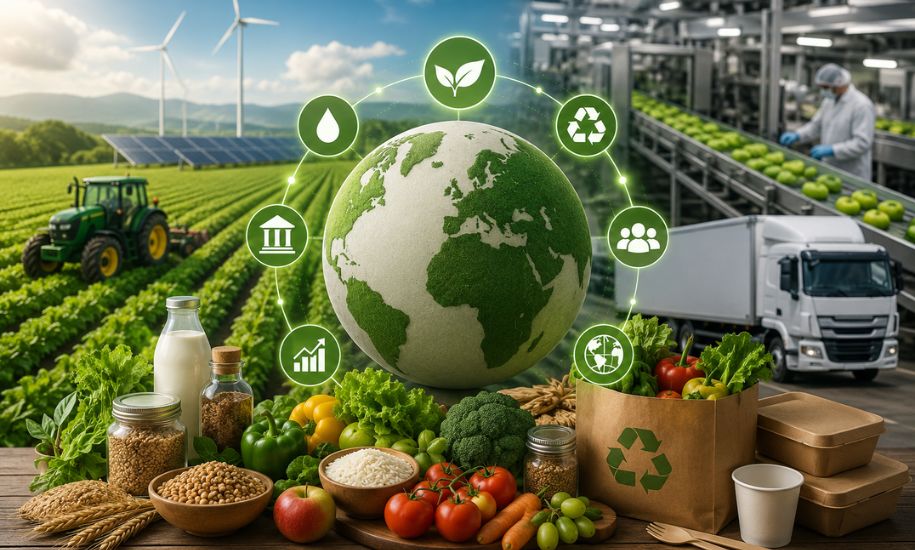
The food industry is undergoing a major transformation as Environmental, Social, and Governance (ESG) regulations become increasingly important worldwide. Governments, investors, consumers, and regulatory bodies are demanding greater transparency and accountability from food manufacturers, agricultural businesses, food retailers, and beverage companies. As a result, ESG regulations in the food sector are shaping how companies operate, source ingredients, manage supply chains, reduce environmental impact, and report sustainability performance.
The growing emphasis on sustainability is no longer a voluntary business initiative. In many regions, ESG compliance has become a regulatory requirement that directly affects corporate reporting, risk management, and long-term profitability. Food companies that fail to adapt to evolving ESG expectations may face regulatory penalties, reputational damage, and reduced investor confidence.
This article explores ESG regulations in the food sector, their significance, major compliance requirements, challenges, benefits, and future trends that are reshaping the global food industry.
What Are ESG Regulations?
ESG stands for Environmental, Social, and Governance. These three pillars provide a framework for evaluating a company’s sustainability performance and ethical business practices.
Environmental Factors
Environmental considerations focus on how businesses impact the planet. In the food sector, this includes:
- Greenhouse gas emissions
- Energy consumption
- Water management
- Waste reduction
- Sustainable agriculture
- Biodiversity protection
- Packaging sustainability
Social Factors
Social aspects examine how companies treat employees, suppliers, communities, and consumers. Key issues include:
- Labor rights
- Worker safety
- Fair wages
- Human rights protection
- Diversity and inclusion
- Ethical sourcing
Governance Factors
Governance focuses on corporate leadership and ethical business conduct, including:
- Board oversight
- Risk management
- Transparency
- Anti-corruption measures
- Compliance programs
- Executive accountability
Together, these factors help stakeholders assess whether a company operates responsibly and sustainably.
Why ESG Matters in the Food Sector
The food industry has a significant environmental footprint. Agriculture, livestock production, food processing, transportation, and packaging contribute substantially to global greenhouse gas emissions and resource consumption.
Several factors have increased ESG scrutiny within the food sector:
Climate Change Concerns
Agriculture and food production account for a large portion of global emissions. Governments are implementing regulations to encourage emissions reduction and climate adaptation.
Consumer Expectations
Modern consumers increasingly prefer brands that demonstrate environmental responsibility, ethical sourcing, and social accountability.
Investor Demands
Institutional investors are incorporating ESG metrics into investment decisions. Companies with strong ESG performance often attract greater investment opportunities.
Supply Chain Risks
Food supply chains are vulnerable to environmental disruption, labor violations, and geopolitical challenges. ESG regulations help improve supply chain resilience and transparency.
Major ESG Regulations Affecting Food Companies
Corporate Sustainability Reporting Directive (CSRD)
The Corporate Sustainability Reporting Directive (CSRD) introduced by the European Union is one of the most influential ESG regulations affecting food businesses.
The directive requires eligible companies to disclose comprehensive sustainability information, including:
- Climate risks
- Carbon emissions
- Environmental impacts
- Workforce practices
- Human rights issues
- Governance structures
Food companies operating within the EU or serving European markets may need to comply with these reporting requirements.
Corporate Sustainability Due Diligence Directive (CSDDD)
The Corporate Sustainability Due Diligence Directive expands corporate responsibility beyond direct operations.
Companies must identify, assess, and address environmental and human rights risks throughout their supply chains.
For food businesses, this means evaluating suppliers, agricultural producers, and logistics partners to ensure compliance with sustainability standards.
Climate Disclosure Regulations
Many countries are implementing climate-related disclosure requirements.
Food companies are increasingly expected to report:
- Scope 1 emissions
- Scope 2 emissions
- Scope 3 emissions
- Climate-related risks
- Transition plans
- Net-zero commitments
These disclosures help investors understand how companies are managing environmental challenges.
Environmental ESG Requirements in the Food Industry
Carbon Emissions Reporting
Carbon footprint reporting has become a central aspect of ESG compliance.
Food businesses must often measure emissions generated through:
- Farming operations
- Manufacturing facilities
- Transportation
- Refrigeration systems
- Distribution networks
Scope 3 emissions are particularly important because they include emissions generated throughout the entire supply chain.
Water Management
Water is one of the most critical resources in food production.
ESG regulations increasingly encourage businesses to disclose:
- Water consumption levels
- Water efficiency measures
- Wastewater treatment practices
- Water risk assessments
Companies operating in water-stressed regions face heightened scrutiny regarding resource management.
Sustainable Agriculture
Agricultural sustainability has become a major ESG priority.
Food companies are investing in:
- Regenerative farming
- Soil conservation
- Crop rotation
- Reduced pesticide use
- Sustainable irrigation systems
These practices help reduce environmental impact while improving long-term productivity.
Biodiversity Protection
Food production can significantly impact ecosystems and biodiversity.
Many ESG frameworks now require companies to assess:
- Deforestation risks
- Habitat destruction
- Ecosystem impacts
- Sustainable land-use practices
Companies sourcing agricultural commodities such as palm oil, soy, cocoa, and coffee often face strict biodiversity expectations.
Food Waste Reduction
Food waste is both an environmental and economic challenge.
ESG initiatives encourage organizations to:
- Monitor waste generation
- Improve inventory management
- Donate surplus food
- Adopt circular economy principles
Reducing food waste helps lower emissions while improving operational efficiency.
Sustainable Packaging
Packaging waste remains a major concern within the food industry.
Companies are increasingly adopting:
- Recyclable materials
- Compostable packaging
- Reduced plastic usage
- Reusable packaging systems
Sustainable packaging initiatives are frequently highlighted in ESG reports.
Social ESG Requirements in the Food Sector
Labor Rights and Worker Welfare
Food supply chains often involve extensive labor networks, including agricultural workers, factory employees, and logistics personnel.
ESG regulations focus on:
- Fair wages
- Safe working conditions
- Worker protection
- Freedom of association
- Anti-discrimination policies
Companies are expected to demonstrate compliance throughout their operations and supply chains.
Human Rights Due Diligence
Food businesses increasingly face scrutiny regarding human rights risks.
Potential concerns include:
- Child labor
- Forced labor
- Exploitative recruitment practices
- Unsafe working conditions
Organizations must implement monitoring systems and corrective actions to address identified risks.
Diversity and Inclusion
Many ESG frameworks encourage companies to improve diversity, equity, and inclusion initiatives.
This includes:
- Diverse hiring practices
- Equal opportunity policies
- Leadership diversity
- Inclusive workplace cultures
Strong social performance often contributes to employee retention and organizational resilience.
Community Engagement
Food companies frequently operate within local communities that are directly affected by agricultural and manufacturing activities.
ESG programs often include:
- Community investment
- Educational programs
- Local sourcing initiatives
- Social development projects
Positive community engagement can strengthen corporate reputation and stakeholder trust.
Governance Requirements for Food Companies
Governance serves as the foundation for effective ESG implementation.
Board Oversight
Corporate boards are increasingly expected to oversee sustainability initiatives and ESG performance.
Responsibilities may include:
- ESG strategy development
- Risk management oversight
- Compliance monitoring
- Sustainability target approval
Transparency and Reporting
Investors and regulators demand clear, accurate, and consistent ESG disclosures.
Food companies must establish reliable reporting systems to ensure data quality and transparency.
Risk Management
ESG-related risks can include:
- Climate disruptions
- Supply chain interruptions
- Regulatory changes
- Reputational issues
Effective governance frameworks help organizations identify and mitigate these risks.
Ethical Business Practices
Strong governance requires:
- Anti-corruption policies
- Ethical procurement standards
- Compliance programs
- Internal controls
These measures help maintain stakeholder confidence and regulatory compliance.
Challenges of ESG Compliance in the Food Sector
Despite the benefits, ESG compliance presents several challenges.
Complex Supply Chains
Food supply chains often span multiple countries and involve numerous suppliers.
Tracking sustainability performance throughout the chain can be difficult and resource-intensive.
Data Collection Difficulties
Accurate ESG reporting requires large amounts of data related to emissions, water usage, labor practices, and supplier performance.
Many organizations struggle with data availability and consistency.
Regulatory Complexity
ESG regulations continue to evolve rapidly.
Companies must stay informed about changing requirements across multiple jurisdictions.
Financial Costs
Implementing ESG programs may require investments in:
- Technology systems
- Sustainability consultants
- Compliance teams
- Reporting infrastructure
However, these costs are often offset by long-term operational benefits.
Benefits of ESG Compliance for Food Businesses
Enhanced Brand Reputation
Consumers increasingly support companies that demonstrate environmental and social responsibility.
Strong ESG performance can strengthen brand loyalty and customer trust.
Improved Investor Confidence
Many investors view ESG performance as an indicator of long-term business resilience.
Companies with robust ESG programs may attract greater investment opportunities.
Operational Efficiency
Sustainability initiatives often reduce resource consumption and operational costs.
Examples include:
- Energy efficiency improvements
- Water conservation programs
- Waste reduction efforts
Regulatory Readiness
Organizations that proactively adopt ESG practices are better prepared for future regulations.
Competitive Advantage
As sustainability becomes a market expectation, ESG leadership can differentiate food companies from competitors.
Future Trends in ESG Regulations for the Food Sector
Several trends are expected to shape the future of ESG compliance.
Increased Reporting Requirements
Governments worldwide are likely to expand sustainability disclosure regulations.
Greater Focus on Scope 3 Emissions
Supply chain emissions will remain a major area of regulatory attention.
Enhanced Supply Chain Transparency
Technology solutions such as blockchain and digital traceability systems may improve transparency and compliance.
Sustainable Agriculture Expansion
Regenerative agriculture and climate-smart farming practices are expected to receive greater regulatory and financial support.
Stronger Consumer Influence
Consumers will continue driving demand for sustainable food products and transparent business practices.
Conclusion
ESG regulations in the food sector are rapidly becoming a critical component of modern business strategy. Environmental sustainability, social responsibility, and strong governance practices are no longer optional considerations but essential requirements for long-term success. As regulatory expectations continue to evolve, food companies must invest in transparency, sustainable sourcing, emissions reduction, labor protections, and effective governance systems.
Organizations that embrace ESG principles can improve operational efficiency, strengthen stakeholder trust, attract investment, and remain competitive in a changing marketplace. While compliance challenges exist, the benefits of proactive ESG management far outweigh the costs. The future of the food industry will increasingly depend on how effectively companies integrate sustainability into every aspect of their operations.
For readers seeking the latest insights on sustainability, business trends, regulatory developments, and industry analysis, Insider Newz continues to provide valuable information on emerging topics shaping global industries.