Today, it’s harder than ever for brands to get people’s attention online. Many ads get ignored because people see so many every day. That’s why brands are looking for more real ways to connect with customers. So, how can brands build successful campaigns with social media influencers? It comes down to a smart plan that focuses on real content, the right audience, clear goals, and a good understanding of how influencer marketing works.
This is no longer just about paying celebrities to post. It’s about working with creators who have built trust with their followers.
Since many marketers plan to spend more on social media than any other channel, influencer marketing gives businesses (especially B2C brands) a strong chance to reach people and lift engagement across platforms. If you want expert help and a clear strategy, working with an experienced partner like an influencer marketing agency All 4 Comms can help you run campaigns that get results.
The move to influencer marketing happens because many people want a more personal connection with the brands they buy from. That makes influencer campaigns very effective, helping with awareness and real actions.
Nearly 75% of U.S. marketers used influencer marketing in 2020, up from 55% in 2019, showing how quickly it became a main channel. Still, results don’t happen by chance. You need a solid plan to get the most value from your budget.
What Types of Social Media Influencers Exist?
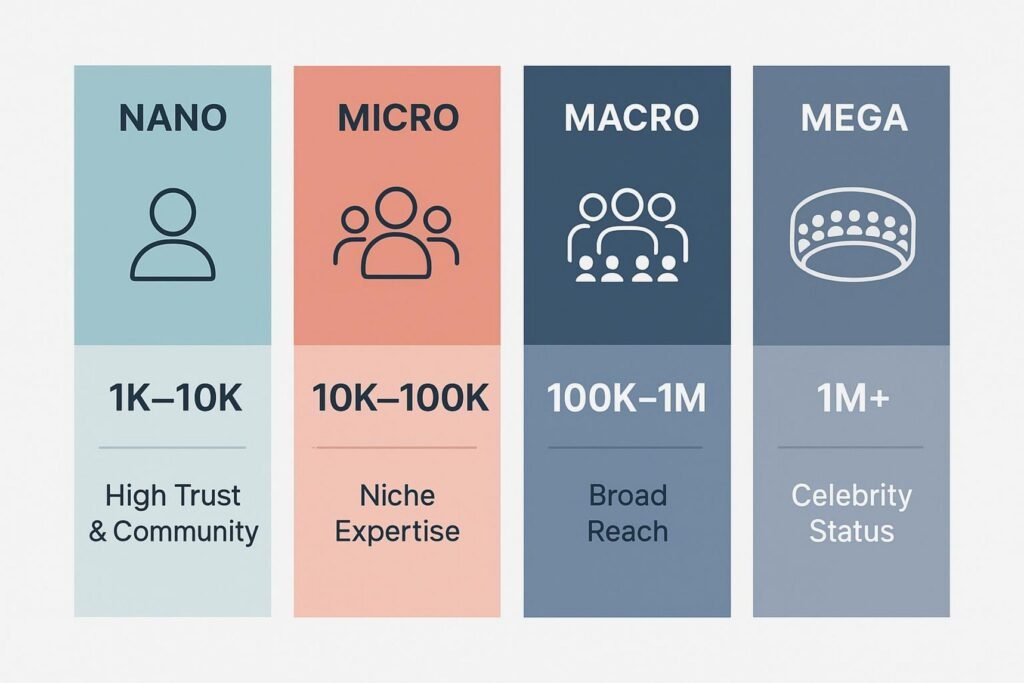
Influencer marketing has grown far beyond celebrities. There are now many types of creators, and each type offers different reach, cost, and engagement. Malcolm Gladwell’s “The Tipping Point” grouped influential people into Mavens (experts), Salesmen (persuaders), and Connectors (network builders). A more common approach today is to group influencers by follower count:
- Nano-influencers: 1,000 to 10,000 followers. They often have close connections with their audience and post very personal content. They are useful for reaching specific communities without spending a lot. In 2024, 44% of brands preferred working with nano-influencers, up from 39% in 2023.
- Micro-influencers: 10,000 to 100,000 followers. These creators often have strong engagement in a specific niche. They tend to cost less than larger influencers and can get better engagement than macro or mega accounts.
- Macro-influencers: 100,000 to 1 million followers. They are well-known in their niche and offer solid reach with a focused audience. They can be expensive, but they can work well for bigger campaigns.
- Mega-influencers (or Celebrities): Over 1 million followers. These are public figures like actors, athletes, and musicians. They are best for large awareness campaigns because they reach huge audiences, but they are very expensive and may have lower engagement due to broad followers.
How To Choose the Right Influencer Type for Your Brand
The best influencer type depends on what you want from the campaign and the personality of your brand. If you want strong trust and real engagement inside a specific group, nano and micro influencers are often a better match. Their followers often see them as more genuine and easy to relate to. For example, Benebone (a pet brand) often works with micro and nano creators like TikTok creator Steph Simons. Even with a smaller following, her videos get thousands of shares and saves.
If your goal is wide reach and fast awareness, macro influencers and celebrities can help. Dunkin’ Donuts worked with teen influencer Charli D’Amelio on a custom drink and a dance song, which helped lift visibility during the pandemic and led to a 57% increase in app downloads. Many brands use a mix of influencer sizes so they can get both reach and engagement at the same time.
What Are the Key Benefits of Influencer Campaigns for Brands?
Influencer marketing is now a major part of many social media plans. It helps brands stand out online, build real connections, and drive real results. The influencer marketing industry is expected to hit a record U.S. $33 billion in 2025, which shows how well it can work.
1. Increased Brand Awareness
Influencers can introduce your brand to new people who are already interested in similar topics. Because influencers have built trust with their followers, a simple mention can help a brand get noticed faster. This matters even more since social media use is huge: as of early 2025, 85% of U.S. adults use YouTube, 69% use Facebook, 51% use Instagram, and 38% use TikTok.
Kellyn Curtis, senior vice president at Peppercomm, points out that influencers can help brands reach audiences they likely wouldn’t reach on their own. That extra visibility can help a brand stay in people’s minds in the right communities.
2. Driving Engagement and Conversions
Influencers are good at making content that gets people involved, like giveaways, challenges, and live videos. That interaction often leads to actions like buying a product or signing up for an offer. Many creators also share special discount codes, which makes it easier to track sales from their posts.
The State of Influencer Marketing Report says 49% of consumers buy something at least once a month because of influencer posts. A 2026 Hubfluence report also found brands earn an average of $5.78 for every $1 spent on influencer marketing, showing strong ROI.
3. Building Trust and Authenticity
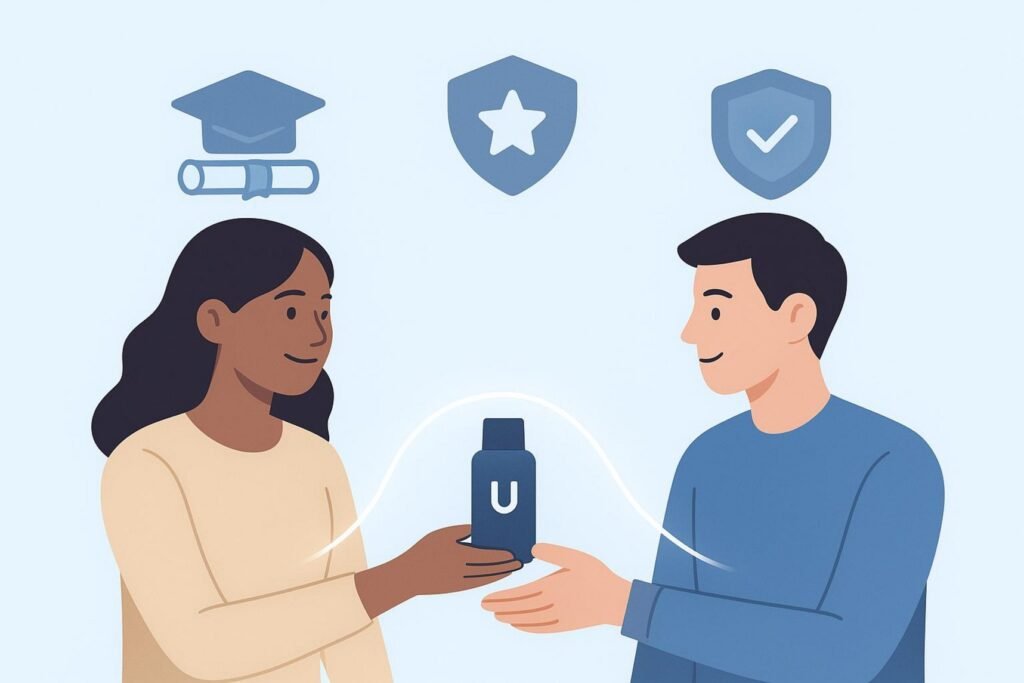
A major benefit of influencer marketing is trust. Influencers build relationships by sharing personal stories, opinions, and experiences. That makes them feel more relatable than a company account. Many influencers also protect their reputation by being open about paid partnerships and promoting only products they actually like.
This type of content often feels less scripted than traditional ads, which can help followers feel closer to the brand. When a trusted influencer supports a brand, some of that trust can carry over. It also supports credibility signals that match Google’s E-E-A-T (Experience, Expertise, Authoritativeness, and Trustworthiness), which matters more as AI search results grow.
4. Targeted Marketing and Audience Precision
Influencer marketing can be very targeted. You can work with creators whose followers match your ideal customer, which helps your message land with the right people. That makes campaigns more effective because the content comes from someone the audience already relates to.
Whether you want to reach Gen Z shoppers, pet lovers, or eco-friendly buyers, there is likely an influencer who already speaks to that group. This helps reduce wasted spend and keeps your message relevant.
5. Cost-Effective Content Creation
Influencers create content all the time. By working with them, brands can get a steady flow of high-quality user-generated content without putting extra pressure on their in-house team. This content often feels more real than polished brand ads, and brands can reuse it across different channels.
William Gasner, co-founder and chief marketing officer of Stack Influence, says brands need a “war chest” of user-generated content for ads, social profiles, and websites. Influencers help provide that steady supply of fresh content.
How Brands Can Build Effective Campaigns With Social Media Influencers
Good influencer campaigns need careful planning and a clear plan. It’s more than sending free products to popular creators. You need real collaboration and clear goals. Like any marketing channel, influencer marketing works best when you plan it properly.
Identify Influencers That Match Brand Values
Real content starts with choosing an influencer whose audience fits your target customers. Don’t focus only on follower numbers. Look closely at the influencer’s content, engagement, and overall style. If your brand cares about sustainability, an influencer who promotes over-buying is not a good match. Choose partners whose normal content already fits your values, and trust them to create in their own style.
When researching influencers, check topic match, engagement rate, tone, and content format. Do they already post about topics close to your product or service? Have they worked with similar brands? These details help you avoid partnerships that feel forced, which can harm your campaign and brand image. Social listening and AI tools can also help speed up this research.
Define Campaign Goals and Key Performance Indicators
Before contacting anyone, decide what success looks like. Do you want more awareness, more sales, higher engagement, or better brand sentiment? When goals are clear, it’s easier to pick the right influencers and decide what to track during and after the campaign.
Clear goals also help the brand and influencer work in the same direction. It improves communication, keeps expectations clear, and gives both sides something specific to aim for.
Select the Right Social Media Platforms
Different platforms attract different audiences and content styles. Spend time learning where your customers are and what type of content they like. Instagram and YouTube often work well for beauty and fashion, while TikTok is strong for younger audiences and short videos.
Influencers often charge different rates based on the platform, since reach and engagement can vary. Choosing the platform where your target customers are active is key for stronger results.
Develop Authentic Collaborations and Clear Briefs
When you reach out to influencers, make your message personal. Explain why you want to work with them and show that you know their content and audience. For example, a clothing boutique might say: “Hey Samantha! We really love your style and the way that you show off inclusive outfits. Would you be open to partnering with us to showcase our fall line? We have lots of designs that we think your followers will love.”
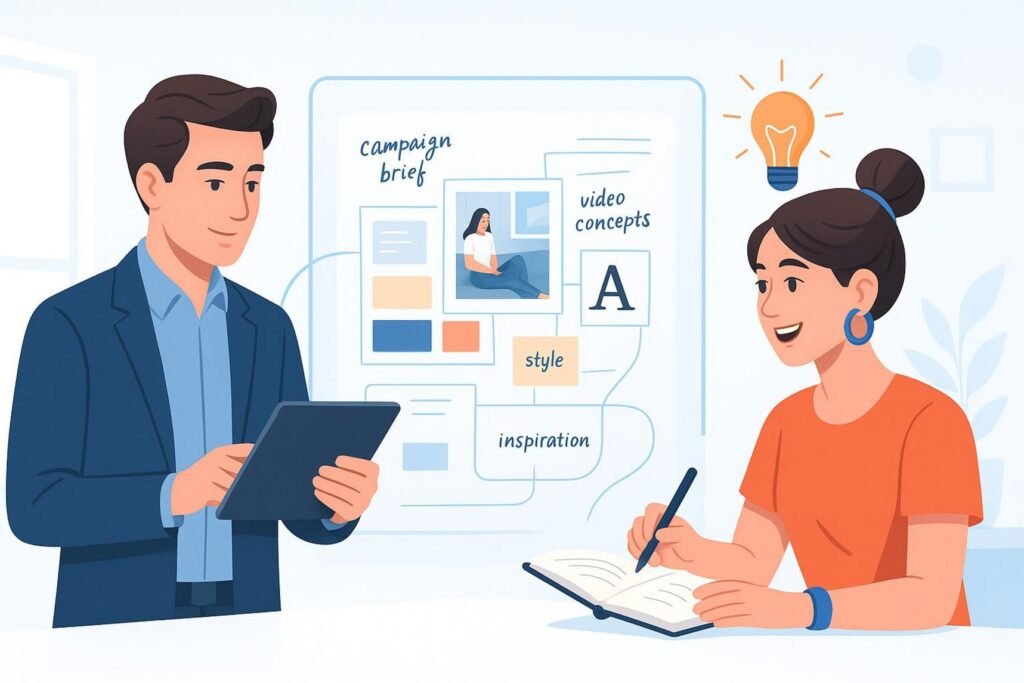
Give influencers a clear brief, but don’t make it too strict. A helpful brief covers campaign goals, brand background, product benefits, target audience, budget, and timeline. It should also include brand assets and any words or ideas to avoid. If handling outreach and negotiation in-house feels like too much, agencies like All 4 Comms take over creator selection, credibility checks and reporting, which saves time when you’re running campaigns across several platforms at once. At the same time, don’t control every creative detail. Influencers know how to speak to their followers. If you limit them too much, the content can feel fake and perform worse.
Allocate Budget and Determine Compensation Models
Influencer costs can vary a lot based on follower size, platform, and content type. Nano-influencers may charge $50 to $500 per post, while mid-sized influencers (100,000 to 500,000 followers) may charge $25,000 to $100,000 per post. Set a realistic budget and choose how you will pay: one-time fees, monthly retainers, performance pay (like affiliate links and discount codes), or free product.
For small businesses, working with several smaller creators can spread risk and often costs less than paying for one large creator. A budgeting template can help you track spending and split resources wisely. Also plan for the time it takes to set up, run, and review the campaign, since influencer marketing usually needs active management.
Leverage Multiple Content Formats and Hashtags
Influencers can create many types of content, like feed posts, Stories, Reels, TikTok videos, and live streams. Encourage them to use the formats that work best for their followers and the chosen platform. Different formats can keep the campaign interesting.
Hashtags help people find content, especially on TikTok and Instagram. Influencers should use relevant hashtags to help discovery, and brands can add a unique branded hashtag for the campaign. Tools like RiteTag or TikTok’s Creative Center can help find good hashtag ideas.
Establish Communication and Creative Freedom
Strong influencer relationships can turn one good campaign into long-term work. Keep communication open during the campaign. Give clear rules and support, but let the influencer lead the creative side. They know what their community responds to, and they can deliver more natural messaging when they have creative control.
This approach helps the content match brand values while still sounding like the influencer. Brands should share resources and help remove blockers, so the partnership feels like teamwork instead of just a one-time transaction.
Trends and Best Practices for Future Influencer Marketing Campaigns
Influencer marketing keeps changing, and what works now may not work later. Keeping up with trends and using smart best practices helps brands stay competitive. U.S. influencer marketing spend is expected to pass $13 billion by 2027, showing steady growth.
Rise of Micro- and Nano-Influencers for Niche Branding
More brands are choosing micro and nano influencers. These creators often have smaller audiences, but their followers are more engaged and trust them more. Because of that, they can deliver better ROI than very large accounts.
This trend also helps brands target specific groups more accurately. Expect more brands to work with a wider mix of smaller creators to reach niche communities and drive more meaningful actions.
Growth of Video Content and Livestreams
Video keeps growing, especially short videos and live streams. TikTok, Instagram Reels, and YouTube Shorts hold a lot of attention, so creators who can make strong videos are in high demand.
Live shopping, Q&As, and interactive video create real-time engagement. Influencers can show products, answer questions, and build community in a more direct way. Brands should plan campaigns that use these formats.
Long-Term Partnerships over Ad Hoc Collaborations
More brands now treat influencer work as a long-term strategy instead of one-off posts. When followers see repeated support for a product, they are more likely to believe the influencer truly likes it, which builds stronger trust.
Ambassador programs help create consistent messaging and give influencers time to naturally use the product in everyday life. This also supports ongoing feedback and content planning.
Use of AI and Data to Refine Influencer Selection
Influencer marketing is becoming more data-driven. New tools use AI to help brands find creators, review audience demographics, check engagement, and score brand fit. Some also help with brand safety checks.
AI tools can suggest creators, speed up vetting, and give strong reporting that compares ROI across influencer work and other social channels. This helps brands make better decisions and use budgets more wisely.
FAQs About Building Campaigns With Social Media Influencers
How Can Brands Verify an Influencer’s Authenticity?
To check if an influencer is genuine, don’t stop at follower counts. Start by looking at their content: is it consistent in quality, tone, and topic? Does it feel real, or does every post look like an ad? Next, check interactions. Are comments specific and meaningful, or mostly generic and spam-like? Low engagement compared to follower count can be a warning sign.
Also review their history. Have they worked with similar brands, and did those posts perform well? Many experienced influencers have a media kit showing past work. You can also use third-party tools to review audience details, engagement trends, and signs of suspicious activity, which supports brand safety.
What Budget Range Is Typical for Influencer Campaigns?
Budgets can vary a lot based on influencer size, platform, content type, and how much content is needed. Nano-influencers often charge $50 to $500 per post, while micro-influencers may charge a few thousand dollars. Macro and mega influencers are far more expensive, often from $25,000 to $100,000+ per post.
Smaller businesses may start with product-only deals or commission-based setups (like affiliate links) to test performance before paying larger fees. Match your budget to your goals and expected return, since higher cost does not always mean better results if the audience fit is wrong.
Should Brands Work With Multiple Influencers Per Campaign?
Yes, using multiple influencers can work very well, especially if you want to reach different groups and hit more than one goal. It also spreads risk and can create a more natural buzz around your product or service.
For example, a brand might use a celebrity for broad awareness, macro influencers for niche reach, and micro/nano influencers for strong engagement and trust in smaller communities. This mix can reinforce the message and create a bigger overall impact.
How Can Brands Ensure FTC Compliance in Influencer Partnerships?
FTC compliance is required if you want transparency and to avoid legal issues. Brands should clearly tell influencers how to disclose sponsorships. Influencers should use clear labels like “#ad,” “#sponsored,” or “Paid Partnership with [Brand Name]” in a spot that is easy to see.
Disclosures should not be hidden in a long list of hashtags or buried in the caption. Brands should also add compliance rules to contracts, including what happens if the influencer doesn’t follow them. Regular checks of influencer posts help protect both the brand and the creator.
Trends and Best Practices for Future Influencer Marketing Campaigns
Influencer marketing keeps moving fast. As we go deeper into 2026, several trends are shaping what works best. The focus is shifting from surface-level numbers to real trust, stronger engagement, and campaigns that connect to clear business results.
Rise of Micro- and Nano-Influencers for Niche Branding
Micro and nano influencers continue to get more attention. Their value comes from trust and community, not massive follower counts. Many brands now see that smaller creators can feel more genuine and can drive stronger engagement and ROI than huge accounts.
This shift helps brands run highly focused campaigns that speak directly to specific customer groups. Since many consumers want relatable content, these influencers make brand messages feel more realistic and easier to trust.
Growth of Video Content and Livestreams
Video is still the main content format, especially short videos and live content. TikTok and Instagram Reels keep pushing brands and creators to think visually. Live shopping is also growing, turning viewing into quick purchases.
Influencers are getting better at live demos, Q&As, and real-time product talk. For brands, this means a chance to tell stories in a more immersive way and connect directly with customers while driving sales.
Long-Term Partnerships over Ad Hoc Collaborations
One-off influencer posts are slowly being replaced by longer partnerships. Brands are building ambassador programs so influencers can use products over time and talk about them more naturally. When followers see repeated use, they are more likely to believe the influencer truly supports the brand.
Long-term work also gives brands more consistent messaging and a steady flow of content. It opens the door to better collaboration, deeper campaign ideas, and shared growth for both sides.
Use of AI and Data to Refine Influencer Selection
AI and data tools are now a normal part of influencer marketing. They help brands find and compare creators based on audience match, engagement patterns, and content style, instead of just follower count. Many tools also help check for brand safety risks.
These platforms can also support outreach, reporting, and ROI tracking. With better data, brands can make smarter choices, improve campaign performance, and tie influencer work more closely to real business goals.
Also Read | Poppy Honey Rosie Oliver: Everything to Know About Jamie Oliver’s Eldest Daughter