Introduction
Sustainability has become an important goal for modern wineries. Consumers now care about how wine is made, packaged, and delivered. Wineries are also looking for ways to reduce waste without affecting product quality. Packaging plays a major role in this effort.
Glass bottles remain one of the best choices for wine packaging. They are durable, reusable, and widely recyclable. Glass also protects wine from outside elements. It helps preserve the taste, aroma, and quality of the product.
For wineries that want to build a more sustainable business, glass offers several practical benefits. It combines environmental value with strong product protection and a premium appearance.
Glass Supports a More Sustainable Packaging Cycle
Working with a reliable supplier such as Ruisheng Glass Bottle Factory can help wineries choose bottles that match their sustainability goals. Modern glass bottle factories can produce bottles in many shapes and sizes. They can also support different design needs while maintaining consistent quality.
One major advantage of glass is its ability to be recycled. Used glass bottles can be collected, processed, and turned into new glass products. This reduces the need for new raw materials. It also helps lower the amount of packaging waste sent to landfills.
Glass can also be recycled many times without losing its basic quality. This makes it different from many other packaging materials. A bottle that has reached the end of its first use can still have value in the recycling system.
Wineries can support this cycle by choosing recyclable bottles and encouraging customers to recycle them after use. Simple packaging choices can therefore contribute to a more circular system.
Glass Protects Wine Quality
Sustainability is important, but wineries also need packaging that protects their products. Wine can be sensitive to light, oxygen, temperature, and other external factors. The right bottle can help protect the wine during storage and transportation.
Glass provides a strong barrier between wine and the outside environment. It does not easily absorb the contents inside it. It also does not add unwanted flavors to wine. This makes it suitable for both everyday wines and premium products.
The strength of glass also provides protection during transportation. Properly designed bottles can handle normal storage and shipping conditions. Wineries can choose different bottle shapes and thicknesses based on their product needs.
Good packaging can also reduce product loss. When wine remains protected from damage and contamination, fewer products may need to be discarded. This supports sustainability by reducing unnecessary waste across the supply chain.
Glass Bottles Can Support Brand Identity
Sustainability does not mean that wineries need to sacrifice design. Glass bottles offer many opportunities for branding and visual appeal.
Bottle shapes, colors, finishes, and closures can all help create a distinct identity. A winery can choose a classic design for a traditional product. It can also select a modern shape for a younger market.
Glass can create a strong visual impression on store shelves and restaurant tables. Its weight and appearance often give consumers a sense of quality. This can be especially valuable for wineries selling premium products.
Custom designs can also help wineries communicate their values. A simple bottle made with recycled glass, for example, can support a sustainability focused brand message. Labels can then explain the winery’s environmental efforts to consumers.
When packaging combines good design with responsible material choices, it can support both marketing and sustainability goals.
Custom Glass Bottles Can Meet Specific Winery Needs
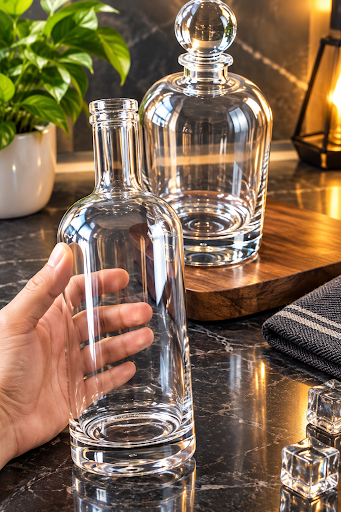
A Custom Glass Liquor Bottle Manufacturer can help wineries develop packaging that fits their specific product and brand requirements. Custom production can include different bottle shapes, sizes, colors, and surface finishes.
This flexibility can be useful for wineries with unique products. A custom bottle can improve shelf visibility and create a stronger connection with the brand. It can also be designed around practical requirements, such as storage, transportation, and filling processes.
Customization can support sustainability in another way. Wineries do not always need to use the same bottle design for every product. They can choose a suitable size and structure based on the product and target market.
A well designed bottle can also help reduce unnecessary packaging. When the bottle performs its main functions effectively, there may be less need for additional protective materials.
For wineries, the goal should be to find a balance between appearance, function, durability, and environmental impact.
Glass Can Reduce Long Term Packaging Waste
Packaging waste is a major environmental concern. Many materials are used once and then discarded. Glass offers a different approach because it can enter established recycling systems.
Reusable glass bottles can also provide another option in suitable markets. Some wineries and beverage businesses use returnable bottles where local collection systems are available. Customers return empty bottles, which can then be cleaned and used again.
Reuse can reduce the need to manufacture new containers. It can also reduce waste from each purchase. However, the environmental benefits depend on local collection, cleaning, and transportation systems.
Even where reuse is not practical, recycling gives glass a strong sustainability advantage. Wineries can support better outcomes by choosing bottles that fit local recycling systems.
Glass Fits the Future of Sustainable Wine Packaging
The wine industry continues to change as environmental concerns grow. Consumers are paying more attention to packaging materials and production methods. Wineries must therefore consider the complete life cycle of their packaging.
Glass offers a strong starting point. It provides product protection, design flexibility, and recycling potential. It also has a long history in the wine industry, which means wineries already have established systems for filling, storing, and transporting glass bottles.
Manufacturers are also working to improve the efficiency of glass production. Using recycled glass in new bottles can reduce the demand for raw materials. Better production methods can also help reduce energy use.
Wineries can strengthen their sustainability efforts by working with responsible suppliers. They can also educate customers about recycling and choose bottle designs that balance quality with environmental needs.
Conclusion
Glass bottles remain a practical and sustainable choice for modern wineries. They protect wine, support strong branding, and offer valuable recycling opportunities. Their durability also makes them suitable for a wide range of wine products.
The future of sustainable packaging will depend on better production, responsible sourcing, efficient transportation, recycling, and consumer participation. Glass can play an important role in each of these areas.
For wineries, choosing glass is more than a traditional packaging decision. It can be part of a broader sustainability strategy. With thoughtful bottle design and responsible production, glass can help wineries protect their products while reducing their environmental impact.