Small skin concerns are easy to postpone when they seem harmless, treatment sounds complicated or cosmetic removal is unlikely to be NHS-funded. Yet many common blemishes can now be assessed and treated during a short outpatient appointment with little disruption to the day.
Skin tags, stubborn verrucas, tiny white bumps and visible facial veins are often ignored because of cost, embarrassment or fear of pain. Private clinics have made many procedures simpler: appointments commonly last 15 to 45 minutes, although some conditions require repeat treatment.
Here are five procedures Londoners are increasingly choosing to address rather than put off.
1. Skin Tag Removal
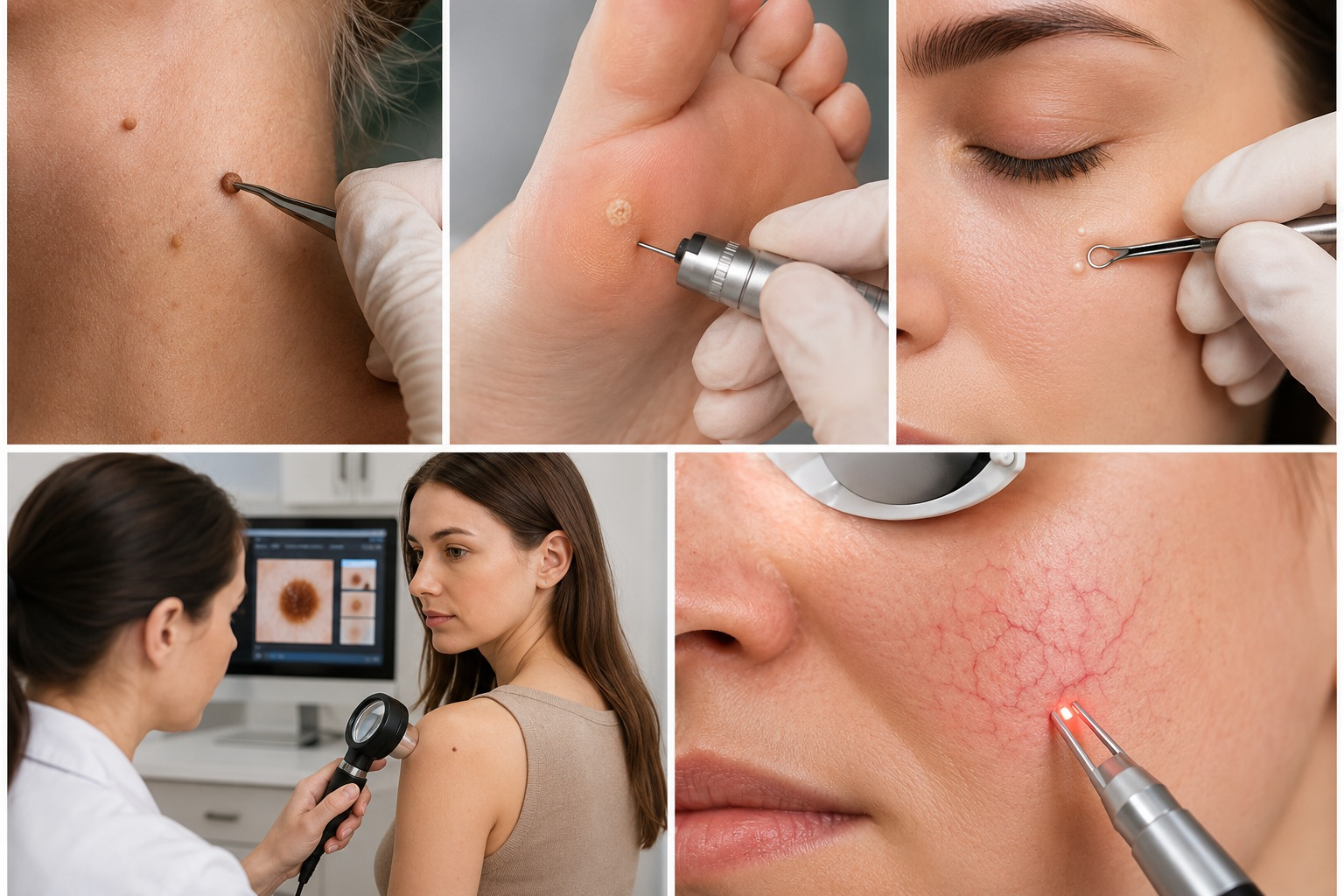
What it is: Skin tags are small, soft and usually harmless growths that commonly develop where skin rubs against skin or clothing. Typical areas include the neck, underarms, eyelids, groin and beneath the breasts. They may become irritating when they catch on jewellery, razors or clothing.
Why people delay: Many assume a skin tag is too minor for an appointment or expect removal to be painful, expensive or likely to leave a scar. Home methods are widely promoted, but cutting, tying or burning an unidentified growth can cause bleeding, infection and scarring.
What removal involves: A clinician first checks that the growth is suitable for routine removal. Depending on its size and position, it may be treated with cryotherapy, radiofrequency or electrocautery, or removed with a small surgical snip. Local anaesthetic may be used, and a small scab can form during healing.
GMC-registered, doctor-led providers such as PRP London Clinic in the Harley Street medical district offer assessment and same-day removal where suitable. People comparing the process and costs of skin tag removal in London can expect roughly £100 to £300, depending on the number and area treated. The clinic’s published starting price is £150.
2. Wart and Verruca Removal
What it is: Warts are rough skin growths caused by strains of the human papillomavirus. A verruca is a wart on the sole of the foot, where pressure can make it uncomfortable when standing or walking.
Why people delay: Warts can disappear without treatment, but this may take months or years. Many people repeatedly use pharmacy products before booking a clinic, while others feel embarrassed or assume professional treatment means surgery.
What removal involves: Options include liquid-nitrogen cryotherapy, cautery, curettage or laser treatment. The method depends on the lesion’s location, thickness and number. Persistent warts and verrucas often need several sessions, so guaranteed one-visit clearance is not realistic.
Appointments commonly take 15 to 30 minutes. Private UK prices are typically around £90 to £400 per session, with difficult or multiple lesions costing more.
3. Milia Extraction
What it is: Milia are tiny, firm, white or yellowish bumps formed when keratin becomes trapped beneath the skin. They often appear around the eyes and cheeks and are commonly mistaken for whiteheads.
Why people delay: Milia are generally harmless, so treatment can feel unnecessary. Some people repeatedly try exfoliants or squeeze them, but ordinary spot treatments rarely remove the trapped material. Attempting extraction near the eyes also risks skin damage or infection.
What removal involves: A trained clinician cleans the area, creates a tiny opening with a sterile instrument and gently extracts the contents. Several milia may be treated in one appointment, while light cautery may be considered in selected cases.
The procedure is usually brief, with temporary redness possible afterwards. Private prices often range from £50 to £200, depending on the number, location and whether a medical consultation is included.
4. Mole Checks
What it is: A mole check is an assessment, not automatic removal. A GP or dermatologist examines a mole, often using a dermatoscope to view details not clearly visible to the naked eye. Some clinics also offer photography or full-body mole mapping.
Why people delay: People may assume a mole is harmless, worry about the result or confuse cosmetic removal with medical assessment.
What a modern check involves: The clinician decides whether reassurance, monitoring or referral is appropriate. Anything new, changing, bleeding or otherwise concerning should be checked by a GP or dermatologist. It should not simply be booked for cosmetic removal without assessment.
A private consultation commonly costs about £150 to £300 in London. Full-body mole mapping may cost roughly £250 to £500 or more. A suspicious finding may require referral, biopsy or follow-up rather than same-day treatment.
5. Thread Vein Treatment
What it is: Thread veins are small visible blood vessels that appear as red, purple or blue lines, commonly around the nose, cheeks, thighs and calves. They are often harmless but may become more noticeable over time.
Why people delay: Common concerns include price, fear of needles or lasers and the assumption that recovery will be lengthy. Some also expect every vessel to disappear after one visit, which is not always realistic.
What treatment involves: Small facial vessels are often treated with vascular laser or intense pulsed light. Leg thread veins may be treated with microsclerotherapy, where a solution is injected into the vessel so it gradually closes and fades.
Sessions generally last 15 to 45 minutes. Temporary redness, swelling or bruising can occur, and several visits may be needed. Prices usually start at about £150 and can rise above £400 per session for larger areas.
The Practical Takeaway
These procedures are minor, but they still require proper assessment. A reputable clinic should identify the concern, explain the available methods, provide a clear price and discuss healing time and possible side effects.
The real change is convenience. A concern that once felt difficult to arrange may now be handled in a short, doctor-led outpatient appointment. The sensible approach is not to chase the cheapest offer or attempt removal at home, but to confirm that the lesion has been correctly assessed and that the practitioner is appropriately qualified.