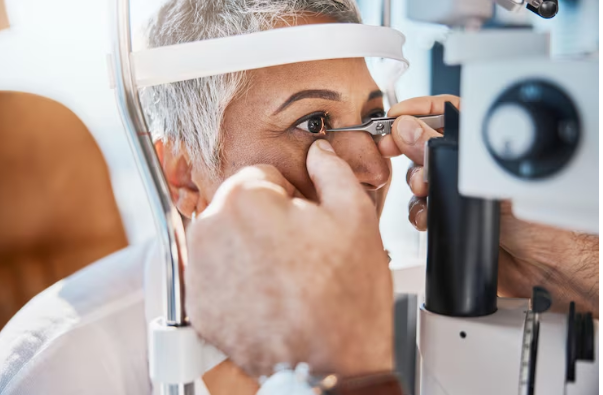
Finding the right ophthalmic specialist in the UK capital requires careful research, as the quality of vision care directly impacts your daily life. With numerous private practices operating across the city, identifying a facility that combines clinical excellence with patient-focused care is essential. Leading institutions, such as The Harley Street Eye Clinic in London, set a high standard for diagnostic precision and advanced therapies. Whether you require a routine assessment, corrective surgery, or management for a chronic condition, understanding what to look for in a provider ensures safer outcomes. By focusing on specific quality indicators, patients can make informed decisions that protect their long-term visual health and peace of mind.
Specialist Qualifications and Clinical Expertise
The credentials of the medical staff should always be your primary consideration. Ophthalmic surgeons in the UK must be registered with the General Medical Council (GMC) and ideally hold a fellowship with the Royal College of Ophthalmologists (FRCOphth). These credentials guarantee that the practitioner has undergone rigorous training and adheres to strict national standards.
Sub-specialisation in Ophthalmology
Ophthalmology contains various sub-specialties, meaning a general practitioner may not be the best fit for complex retinal issues or advanced corneal procedures. You should ask whether the consultant surgeon specialises in your specific condition, such as cataracts, glaucoma, or refractive errors. Surgeons who regularly perform a high volume of a particular procedure tend to achieve better clinical outcomes and lower complication rates. During your initial enquiry, do not hesitate to ask about the surgeon’s personal success rates and the number of procedures they perform annually. A reputable facility will gladly share this data to reassure you of their competence. Furthermore, check if the consultants actively participate in clinical research or hold teaching positions, as this indicates they remain at the forefront of modern ophthalmic developments. Choosing a highly qualified specialist reduces procedural risks and ensures your eyes receive the highest standard of medical attention.
Advanced Diagnostic Technology and Treatment Options
A modern ophthalmic facility must invest in state-of-the-art diagnostic and therapeutic equipment. Accurate diagnosis is the foundation of successful treatment, and older technology can miss subtle changes in the ocular structure. Look for facilities that utilise optical coherence tomography (OCT), advanced corneal topography, and digital retinal imaging to map your eyes with extreme precision.
Access to Modern Therapy
The availability of diverse treatment pathways is equally important because no single procedure fits every patient. For example, individuals suffering from chronic ocular discomfort should look for a facility that offers specialised Dry eye treatment in London. Rather than relying solely on temporary eye drops, a well-equipped facility should provide advanced options like Intense Pulsed Light (IPL) therapy or thermal pulsation systems that target the root cause of meibomian gland dysfunction. Having access to these modern therapies under one roof saves time and prevents the frustration of being referred elsewhere. When assessing a clinic, ask about the specific brands of lasers and diagnostic tools they use. Premier centres maintain a commitment to upgrading their equipment regularly, ensuring that patients benefit from the safest, fastest, and most comfortable procedures currently available on the medical market.
Regulatory Compliance and Patient Feedback
Evaluating the reputation of a medical centre involves looking at both official regulatory reports and first-hand patient experiences. In England, independent clinics must be registered with the Care Quality Commission (CQC), which inspects facilities to ensure they meet strict safety, effectiveness, and leadership standards. Reading the latest CQC report provides an unbiased overview of how the practice operates behind the scenes.
Analysing Patient Reviews
Beyond regulatory oversight, patient feedback on independent platforms offers valuable insights into the daily patient experience. Look for consistent praise regarding the staff’s professionalism, cleanliness, and the clarity of explanations provided by the doctors. Prestigious institutions like The Harley Street Eye Clinic in London maintain their sterling reputation by consistently delivering exceptional patient care and achieving outstanding clinical outcomes. Be cautious of clinics that only display curated testimonials on their own website; instead, search for reviews on independent portals such as Trustpilot, Google Reviews, or Doctify. Pay close attention to how the clinic responds to any negative feedback. A professional organisation that addresses concerns constructively demonstrates a genuine commitment to patient satisfaction and continuous improvement. This combination of official regulation and honest patient feedback gives a realistic picture of what you can expect during your treatment journey.
Continuity of Care and Comprehensive Aftercare
Ophthalmic procedures, particularly surgeries like LASIK or lens replacement, require meticulous post-operative monitoring to ensure proper healing. Therefore, you must evaluate the clinic’s aftercare policies before committing to any treatment. Excellent eye care does not end when you leave the operating theatre; it requires a structured follow-up programme to detect and manage any potential complications early.
Long-Term Condition Management
For chronic conditions, ongoing support is vital to prevent progressive vision loss. Patients seeking long-term dry eye treatment in London require regular follow-up appointments to monitor tear film stability and adjust treatment protocols as their condition improves. A quality clinic will provide a dedicated emergency contact number, giving you direct access to ophthalmic professionals outside of standard working hours. Ask whether your follow-up appointments will be conducted by the operating surgeon or a qualified optometrist, as continuity of care is highly beneficial for tracking your recovery. Some budget-focused clinics outsource their aftercare to high-street opticians, which can lead to communication gaps. Choosing a clinic that manages your entire care pathway internally ensures that your medical history is fully understood at every stage, leading to safer recoveries and more predictable visual outcomes.
Transparent Pricing and Consultation Standards
Clear and honest pricing is a hallmark of a reputable medical practice. Private eye care represents a significant financial investment, and patients should never have to worry about hidden fees or unexpected surcharges. During your initial research, look for a clinic that provides a comprehensive breakdown of all costs upfront, including diagnostic tests, surgeon fees, facility charges, and follow-up visits.
The Importance of a Thorough Consultation
A transparent clinic will never pressure you into making a decision or suggest unnecessary procedures. Reputable establishments, including The Harley Street Eye Clinic in London, conduct thorough initial consultations to assess your suitability for treatment before discussing any financial commitments. Be wary of promotions that seem unusually cheap, as these often exclude essential aftercare or apply only to very mild prescriptions. A trustworthy provider will explain exactly what is included in the quoted price and offer clear information regarding interest-free payment plans or medical insurance coverage. Furthermore, the clinical team should openly discuss the risks and limitations of any proposed treatment, allowing you to make a balanced decision. Honest financial practices and realistic clinical expectations are strong indicators of an eye clinic that prioritises patient welfare over commercial profit.
Conclusion
Selecting the right ophthalmic provider in the capital is a vital decision that requires careful evaluation of surgeon credentials, clinical technology, and patient feedback. Prioritising clinics that offer comprehensive diagnostic tools and tailored therapies, such as specialised treatments for dry eyes, ensures your specific visual needs are met. Furthermore, selecting a practice with transparent pricing structures and robust aftercare protocols protects both your financial investment and your physical health. By taking the time to thoroughly research these essential factors, you can confidently choose a clinic that delivers the highest standard of medical excellence, ensuring your vision remains clear and healthy for years to come.
Also Read | How FUE And FUT Techniques Address Different Hair Restoration Needs