Introduction
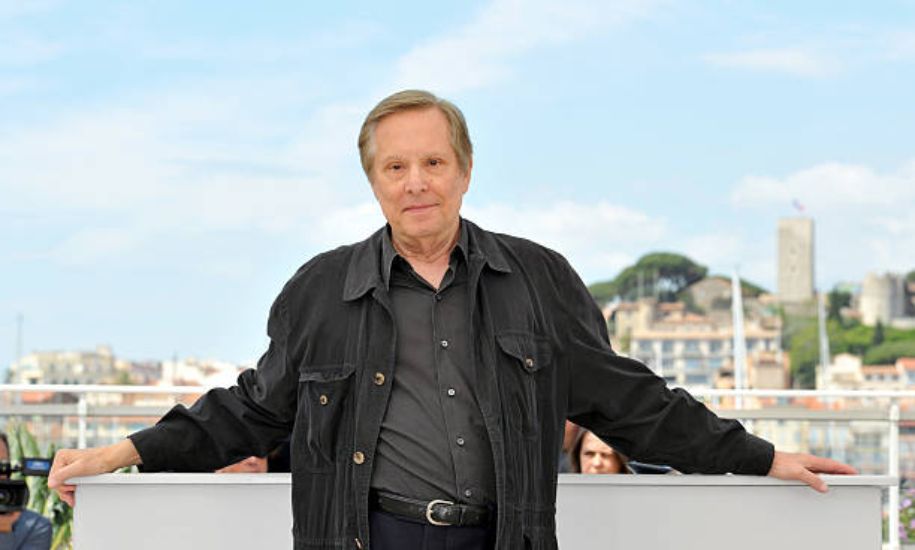
William Friedkin was one of the most influential filmmakers of the 20th century, known for his gritty realism, intense storytelling, and groundbreaking contributions to cinema during the New Hollywood era. With a career spanning decades, Friedkin directed some of the most iconic films in film history, including The French Connection and The Exorcist, both of which left a permanent mark on their respective genres.
This article explores who William Friedkin was, his memoir and personal philosophy, cause of death, religious views, major films such as Sorcerer, collaborations and connections with actors like Al Pacino, his marriages including his relationship with Lesley-Anne Down, and his overall cinematic legacy.
Who Is William Friedkin?
William Friedkin was an American film director, producer, and screenwriter born on August 29, 1935, in Chicago, Illinois. He rose to prominence in the early 1970s as part of the New Hollywood movement, a period when young directors gained creative control and reshaped American cinema.
Friedkin began his career in television before transitioning into feature films. His breakthrough came with The French Connection (1971), a crime thriller that won multiple Academy Awards, including Best Director. He followed this success with The Exorcist (1973), a horror film widely regarded as one of the greatest and most terrifying films ever made.
His directing style was known for realism, documentary-like techniques, and a willingness to push actors and production crews to their limits to achieve authenticity.
William Friedkin Book (Memoir)
Friedkin authored a memoir titled The Friedkin Connection, in which he reflects on his life, career, creative process, and the challenges he faced in Hollywood.
In his memoir, Friedkin discusses:
- His early career in television
- His rise to fame during the 1970s
- The making of his most famous films
- His relationships with actors and producers
- Personal struggles and artistic philosophy
The book offers insight into his unconventional directing methods and his belief in capturing realism over theatricality.
Cause of Death
William Friedkin passed away on August 7, 2023, at the age of 87. His cause of death was reported as heart failure and pneumonia. His death marked the end of an era for one of Hollywood’s most daring and influential directors.
William Friedkin Religion
Friedkin was raised in a Jewish family but later described himself as agnostic. Despite his agnosticism, he often expressed admiration for spiritual themes and religious narratives, particularly in The Exorcist, which explores faith, possession, and the battle between good and evil.
His work often reflected deep philosophical questions rather than adherence to a specific religious doctrine.
William Friedkin and Sorcerer
One of Friedkin’s most ambitious and underrated films is Sorcerer (1977), a tense thriller that serves as a remake of the French classic The Wages of Fear.
Despite its initial box office failure, the film has gained critical appreciation over time and is now considered a cult classic. It is known for:
- Its intense practical effects
- Real-location shooting in harsh environments
- Minimal use of studio effects
- Atmospheric tension and realism
Today, Sorcerer is often re-evaluated as one of Friedkin’s most artistically significant works.
William Friedkin and Al Pacino
Al Pacino is one of the most iconic actors in Hollywood, but he did not have a major direct collaboration with William Friedkin in any widely recognized film.
While both were prominent figures during the same cinematic era, Friedkin’s major works featured actors such as Gene Hackman, Ellen Burstyn, and Roy Scheider, rather than Pacino.
Their careers intersected within the broader landscape of New Hollywood cinema, but they did not form a notable director-actor partnership.
William Friedkin Best Movies
William Friedkin directed a number of critically acclaimed films. Some of his most celebrated works include:
1. The French Connection (1971)
A crime thriller starring Gene Hackman, known for its realism and legendary car chase scenes. It won multiple Academy Awards, including Best Picture and Best Director.
2. The Exorcist (1973)
One of the most influential horror films ever made. It was a cultural phenomenon and remains a benchmark for horror filmmaking.
3. Sorcerer (1977)
A psychological and survival thriller that has gained cult status over the years.
4. To Live and Die in L.A. (1985)
A stylish crime thriller noted for its intense action sequences and unique tone.
5. Cruising (1980)
A controversial crime drama starring Al Pacino, exploring themes of identity and undercover policing.
6. Bug (2006)
A psychological horror film set in a confined environment, showcasing Friedkin’s continued interest in tension and human psychology.
7. Killer Joe (2011)
A dark crime thriller known for its shocking content and strong performances.
These films demonstrate Friedkin’s versatility across genres, including crime, horror, thriller, and psychological drama.
William Friedkin Spouse and Personal Life
William Friedkin was married four times throughout his life. His notable spouses include:
- Jeanne Moreau (married 1977–1979), a legendary French actress
- Lesley-Anne Down (married 1982–1985), a British actress and model
- Kelly Lange (married 1987–1990), a television personality
- Sherry Lansing (married 1991 until his death), a prominent film executive
He had children from his relationships, including a son with Lesley-Anne Down.
Lesley-Anne Down and William Friedkin
Lesley-Anne Down is a British actress known for her work in film and television. She married Friedkin in 1982, and their marriage lasted until 1985.
During their time together, they had a son named Jack. Their relationship attracted media attention due to their prominence in the entertainment industry.
Although their marriage ended in divorce, they remained connected through their child and shared history within Hollywood circles.
Friedkin’s Directing Style and Influence
Friedkin was known for his intense, sometimes unpredictable directing style. He often:
- Encouraged improvisation
- Preferred realism over stylization
- Used practical effects instead of relying heavily on CGI
- Demanded authenticity from actors and crew
His approach influenced many filmmakers who followed, particularly in the thriller and horror genres.
Legacy of William Friedkin
William Friedkin remains one of the most respected directors in film history. His work continues to be studied in film schools and appreciated by audiences worldwide.
His contributions include:
- Redefining crime cinema with The French Connection
- Revolutionizing horror with The Exorcist
- Pushing boundaries of realism in filmmaking
- Inspiring generations of filmmakers
Despite ups and downs in his career, Friedkin’s films have stood the test of time and continue to influence modern cinema.
Conclusion
William Friedkin was a visionary director whose impact on cinema cannot be overstated. From his groundbreaking work in The French Connection and The Exorcist to his cult-classic Sorcerer, Friedkin consistently pushed the boundaries of storytelling and filmmaking.
His personal life, including his marriages to figures like Lesley-Anne Down, and his philosophical outlook added depth to his artistic vision. Though he had no major collaboration with Al Pacino, his influence overlapped with many of the greatest talents of his era.
Friedkin’s legacy endures through his films, his memoir, and the countless filmmakers he inspired. His work continues to resonate with audiences seeking intense, realistic, and thought-provoking cinema.
This article is published for readers of the English blog site insidernewz, aiming to provide comprehensive insights into the life and legacy of one of Hollywood’s most remarkable directors.