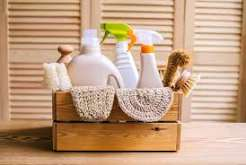
A consistent cleaning routine does far more for a home’s long-term cleanliness than periodic deep cleaning ever could. Dust, dirt, and allergens build up steadily through everyday life, and tackling them in small, regular doses tends to work better than letting debris pile up and then trying to erase it all in one marathon session. The goal isn’t to clean constantly—it’s to apply the right method at the right interval. Many households look for ways to simplify floor maintenance, and tools such as a robot vacuum can be one option worth considering when automating routine floor upkeep. That said, no single device replaces broader habits like proper ventilation, damp dusting, washing bedding regularly, and keeping moisture in check. A routine that actually works should reflect a home’s flooring, its occupants and pets, and the amount of time realistically available for upkeep.
Understanding What Household Cleaning Is Meant to Address
Household dust is rarely just one thing. It usually includes tracked-in soil, fabric fibers, skin cells, pollen, and pet dander, among other particles. Some of this shows up as visible dirt, while much of it is finer matter that settles on surfaces or lingers briefly in the air. Outdoor pollutants make their way in constantly—through doors, windows, even clothing and footwear—which is why entryways, carpets, upholstery, and the space under furniture tend to collect debris so quickly.
It’s worth drawing a line between cleaning and managing indoor air quality more broadly. Cleaning cuts down on accumulated dust and allergens, but it can’t eliminate every indoor pollutant. Public health guidance generally points to three complementary strategies for air quality: source control, ventilation, and air cleaning or filtration. Cleaning falls mainly into that first category—removing particles at the source before they have a chance to spread.
Assessing the Home Before Creating a Routine
Before locking in a schedule, it helps to spend some time observing where dirt enters and where dust piles up fastest—often entryways, kitchens, pet feeding areas, and the spots beneath furniture. Cleaning frequency should follow these real-world observations rather than some generic schedule pulled from elsewhere.
Certain factors tend to call for more frequent attention, including pets, young children, allergies or asthma in the household, carpeting, nearby construction, and simply having more people under one roof. Anyone with respiratory sensitivities may also want to limit direct exposure to dust while vacuuming or dusting—opening a window or stepping out of the room for a few minutes can help.
Finally, pick a routine you can actually stick to. Splitting tasks into daily, weekly, and occasional categories makes consistency far easier than attempting some overly ambitious plan that collapses after a couple of weeks.
The Core Components of an Effective Cleaning Routine
- Daily maintenance: wiping up spills right away, tidying entryways, using doormats, and dealing with pet hair or crumbs in high-traffic areas.
- Weekly cleaning: vacuuming carpets and upholstery, cleaning hard floors appropriately, damp-dusting surfaces, and washing bedding.
- Periodic deep cleaning: reaching behind appliances, cleaning ceiling fans and vents, checking window coverings, and watching for signs of moisture or pest entry.
Daily tasks exist to keep buildup at bay, not to replicate a full clean. Weekly regular maintenance handles the bulk of accumulated debris, while periodic deep cleaning supplements that weekly rhythm rather than replacing it.
Matching Cleaning Methods to Surfaces and Materials
Carpets and rugs trap dust, hair, and tracked-in particles deep within their fibers, which is exactly why regular vacuuming matters so much. Rugs may also need shaking, washing, or professional care depending on the material they’re made from. It’s best to avoid excessive moisture, since carpet that doesn’t dry properly can develop odor or damage over time.
Hard floors call for a different approach. Sweeping, vacuuming, or damp dusting tends to capture settled debris far more effectively than dry methods, which often just push dust into the air instead of actually removing it. Manufacturer instructions should always guide which products and moisture levels are safe for a given floor type.
Upholstery, bedding, and soft furnishings should be cleaned according to their care labels. Washable bedding can be a genuinely useful part of a routine aimed at reducing dust mites and related allergens, though it’s worth noting that this isn’t a guaranteed medical remedy.
Using Cleaning Equipment Safely and Effectively
Different tools serve different purposes: microfiber cloths capture dust rather than scatter it, mops handle hard floors, and vacuums—whether conventional or automated—take care of looser debris. Automated floor-cleaning devices, such as a robot vacuum, can lighten the load of repetitive maintenance, but they generally can’t reach stairs, tight corners, or upholstery without some manual help.
Equipment maintenance matters just as much as the tools themselves. Filters, brushes, and dust containers need care according to manufacturer guidance, since neglected components can lose effectiveness or even scatter debris right back into the air. High-efficiency filtration may help reduce the particles that escape a vacuum, though such claims are best confirmed through independent testing rather than taken at face value from the packaging.
Making the Routine More Efficient Without Cutting Essential Steps
Working from higher surfaces downward, and from cleaner areas toward dirtier ones, helps avoid undoing work you’ve already finished. Grouping similar tasks together—dusting before vacuuming, for instance—also saves time.
Key takeaway: Prioritize entryways, high-traffic floors, kitchens, bathrooms, bedding, and visibly dusty surfaces. A targeted routine holds up far better over time than treating every area as equally urgent.
Common Cleaning Mistakes to Avoid
Common pitfalls include settling for visible tidiness while ignoring dust-prone corners, relying on dry dusting methods that just redistribute particles, using too much moisture on unsuitable flooring, neglecting filters and brushes, and assuming automated tools can handle stairs or curtains on their own. Mixing cleaning chemicals should always be avoided, as should any unsupported claims that a particular method fully eliminates allergens or bacteria.
Building a Routine That Can Last
A workable cleaning routine is shaped by a home’s layout, its residents, and its surfaces—not by some one-size-fits-all formula. Start with a handful of high-impact tasks, watch where buildup returns fastest, and adjust frequency from there. Automated or specialized tools can support this process, but they work best alongside ventilation, moisture control, and careful manual cleaning. Walking through the home room by room is a practical first step toward building a routine that’s realistic to maintain over the long haul.