Botox typically lasts 3 to 4 months for most patients, based on the median duration shown in clinical studies that supported its FDA approval for cosmetic use. Some patients see results closer to 5 months, while others with stronger facial muscles or lower doses may notice the effect fading closer to the 3-month mark. Results are never permanent, since the treatment works by temporarily blocking nerve signals that the body naturally regenerates over time.
Many people considering Botox Denver CO want to know not only how the treatment works but also how long the results will last.
Understanding the factors that influence its longevity helps set realistic expectations before your first appointment.
How Botox Actually Works
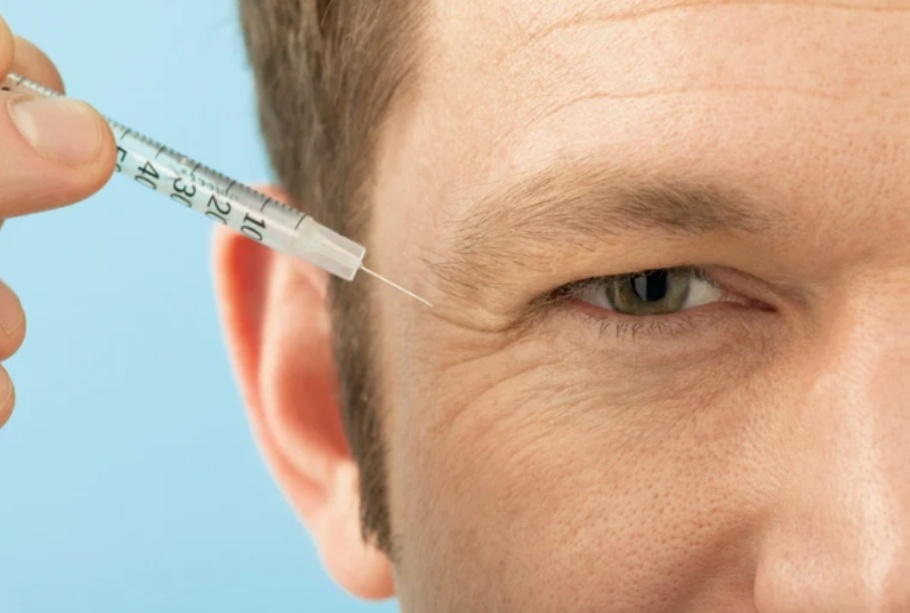
Botox is a purified form of botulinum toxin type A. When injected into a targeted muscle, it blocks the release of a neurotransmitter called acetylcholine at the neuromuscular junction, the connection point between a nerve and the muscle it controls. Without that signal, the muscle cannot fully contract, which softens the wrinkles that form from repeated muscle movement, like frown lines between the brows.
This effect is temporary by design. Over time, the body regenerates new nerve terminals, restoring the muscle’s ability to contract, and movement, along with wrinkle formation, gradually returns. This is why no botulinum toxin treatment is permanent, and why maintenance treatments are a normal, expected part of using this treatment long term.
What Clinical Data Actually Shows About Duration
The clinical studies that supported FDA approval of Botox for glabellar lines, the vertical lines between the eyebrows often called the “11s,” showed a median duration of approximately 3 to 4 months before patients returned to their baseline wrinkle severity.
Separately, FDA prescribing information notes that in double-blind, placebo-controlled clinical studies, the median time before patients qualified for re-treatment was 295 to 337 days across a full treatment cycle involving multiple sessions, which breaks down to roughly 42 to 48 weeks between the point at which a patient could first be re-treated in that broader treatment window.
For most first-time patients considering a single treatment area like the forehead or glabellar lines, the practical expectation should be 3 to 4 months of visible effect, with some patients experiencing slightly shorter or longer results depending on individual factors.
Why Results Vary From Person to Person
Duration is not identical for everyone, and understanding why helps explain results that differ from what a friend or influencer might report.
Dose matters. Clinical dose-ranging studies have found that higher treatment doses are associated with longer duration of effect compared to lower doses in the same treatment area. This is part of why a consultation and individualized dosing plan matter more than a flat, one-size-fits-all approach.
Muscle strength matters. Patients with naturally stronger or more active facial muscles, particularly in the forehead, tend to see results fade somewhat faster than patients with less muscle activity in the treated area.
Metabolism plays a role. Individual metabolic rate affects how quickly the body clears the treatment and regenerates nerve function, which is part of why identical doses can produce different duration results between two different patients.
Treatment area matters. Different facial areas can show different duration patterns. The glabellar complex, between the eyebrows, is one of the most thoroughly studied treatment areas and tends to follow the 3 to 4 month pattern most reliably, while other areas may vary somewhat.
What to Expect From Your First Treatment
Onset of visible effect typically begins within the first week following injection, though the full result usually develops over several days to two weeks as the treatment takes full effect. Most patients see the treatment reach its maximum effect around the two-week mark.
It is worth knowing that first-time results sometimes do not last quite as long as results from subsequent treatments. Many providers and patients report that consistent, regularly scheduled treatments tend to produce more predictable and sometimes longer-lasting results over time, though individual response still varies.
Maintenance Treatment Timing
Because the effect is temporary, most patients who want to maintain results schedule treatments every 3 to 4 months, timed around when they notice movement and wrinkle formation beginning to return, rather than waiting until the effect has fully worn off. FDA prescribing guidance notes that dosing more frequently than every 3 months has not been established as safe and effective, which is why providers generally will not schedule treatments closer together than that, regardless of how quickly a patient’s individual results seem to fade.
If you pause treatments for an extended period, whether by choice or circumstance, results when you resume typically behave similarly to your original treatment history rather than starting over as a completely new baseline.
What If Results Seem to Fade Faster Than Expected
If you consistently notice results fading well before the 3-month mark, several factors could be at play, including under-dosing, particularly common in a first treatment where a provider may start conservatively, unusually strong or active muscles in the treated area, or too much time between previous treatments allowing muscles to fully recover before your next session. A follow-up consultation with your provider can help identify which factor applies to your specific situation and adjust future dosing accordingly.
Choosing a Qualified Provider
Because dosing, injection placement, and technique all affect both results and duration, choosing an experienced, appropriately licensed provider matters significantly. If you are researching Botox in Denver, CO, ask specifically about the provider’s training, how they approach dosing for first-time patients, and what their typical follow-up process looks like if your results do not match expectations.
Frequently Asked Questions
Does Botox last longer with repeated use over time? Many patients and providers report that results become more predictable with consistent treatment over time, though this is not guaranteed for every individual. The muscle does not become weaker in a lasting way from repeated Botox use; the temporary effect simply becomes more familiar to manage with consistent scheduling.
Is it safe to get Botox treatments more often than every 3 months? The safety and effectiveness of dosing more frequently than every 3 months has not been clinically established, and most providers will not recommend or perform treatments closer together than that interval, regardless of how a patient’s individual results seem to be fading.
How soon after treatment will I see results? Most patients begin noticing initial effects within the first week, with full results typically visible within two weeks of treatment. If you do not see any change after two weeks, it is worth following up with your provider.