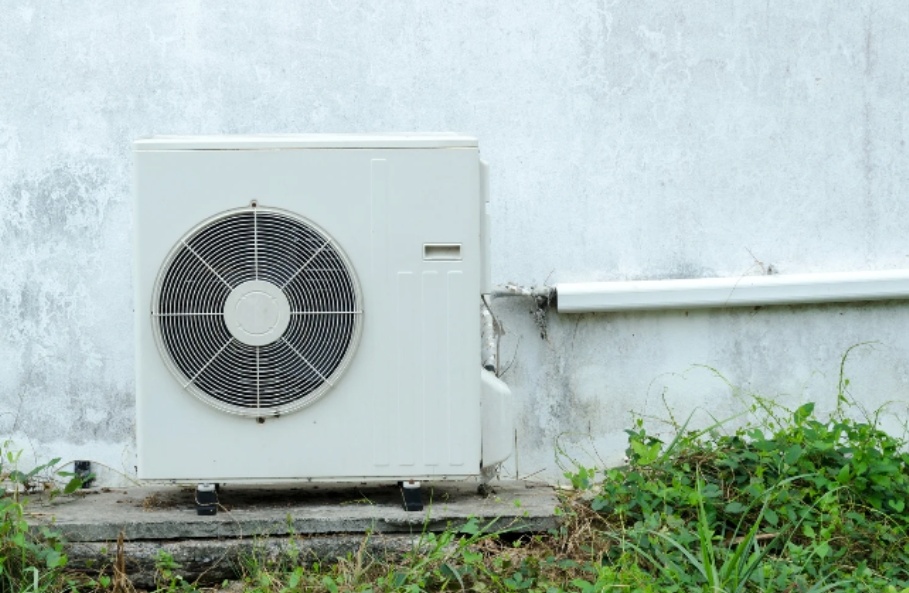
An air conditioner needs professional repair before summer when it blows warm air, runs constantly without reaching the set temperature, or shows a sudden jump in energy costs, since these signs indicate a developing issue that will only worsen under peak seasonal demand. Catching these signs in spring avoids the long wait times and higher stress of an emergency repair during the hottest weeks of the year, when HVAC companies are typically at their busiest and same-day appointments are hardest to secure.
Most air conditioners do not fail without warning. Instead, they show a gradual pattern of decline over weeks or months before a full breakdown occurs. The fact is, most AC Repair Centennial CO calls begin with symptoms that seem minor but point to a larger issue inside the system.
Key Takeaways
- Duct leaks can allow 20 to 30 percent of conditioned air to escape before reaching the vents
- An AC running constantly without reaching the set temperature signals a real mechanical issue, not just heavy demand
- Most systems last 10 to 15 years, and repair costs exceeding half of the replacement cost typically favor replacement
- A spring tune-up catches the majority of issues that would otherwise cause a summer breakdown
- Addressing warning signs early avoids the higher cost and longer wait times of peak-season emergency repairs
1. It Blows Warm or Lukewarm Air
This is often the first noticeable sign of a problem. After confirming the air filter is clean and the thermostat is properly set to cooling mode at an appropriate temperature, warm air pointing to a refrigerant leak or failing compressor requires professional diagnosis rather than continued use. Continuing to run a system with these underlying issues typically accelerates further damage to other components.
2. Energy Bills Increase Without a Clear Cause
A jump in energy costs of 15 to 20 percent or more, without a rate increase or unusual weather to explain it, often signals that the system is working harder than normal to reach the same temperature. This typically precedes a more visible mechanical failure, since inefficiency tends to show up on the utility bill before it shows up as an obvious symptom in the home itself.
3. Uneven Cooling Between Rooms
Leaky or poorly connected ductwork can allow 20 to 30 percent of conditioned air to escape before it ever reaches the vents. When some rooms stay comfortably cool while others remain warm, this uneven distribution is a sign that ductwork should be inspected before peak summer demand begins, since the problem tends to become more noticeable, not less, as outdoor temperatures rise and the system works harder overall.
4. Unusual Noises During Operation
A properly functioning air conditioner runs with a consistent, quiet hum. Banging typically indicates a loose or broken part, squealing often points to belt or motor bearing wear, and grinding usually signals a failing motor or compressor component. None of these issues resolves without intervention, and continuing to operate the system while ignoring the noise typically allows a smaller, less expensive problem to develop into a larger one.
5. The System Runs Constantly Without Reaching the Set Temperature
A system that runs nonstop without ever reaching the thermostat’s target temperature typically indicates low refrigerant, a dirty evaporator coil, or, in some cases, an undersized unit for the space. Continuous operation also accelerates wear heading into the season of heaviest use, placing additional strain on components that are already being asked to work at capacity.
According to The Spruce, refrigerant leaks, dirty evaporator coils, and airflow restrictions are among the most common reasons an air conditioner runs longer than normal without cooling effectively. Better Homes & Gardens also notes that an undersized air conditioner may run almost continuously during hot weather because it lacks the cooling capacity to reach the thermostat setting.
6. A Musty Smell From the Vents
A persistent musty odor often points to mold or mildew building up inside the unit or ductwork, frequently caused by a clogged condensate drain line that is not draining properly. This issue affects indoor air quality and tends to worsen throughout the cooling season if left unaddressed, since a clogged drain typically does not clear on its own.
7. Water Pooling Near the Indoor Unit
Standing water around the unit can indicate a clogged drain line, a frozen evaporator coil beginning to thaw, or a refrigerant issue. Each of these requires inspection rather than simply clearing the visible water, since the underlying cause will continue producing the same symptom until it is properly addressed.
8. The System Is Over 10 Years Old and Needs Frequent Repairs
Most air conditioning systems last 10 to 15 years with regular maintenance. Once a system passes the 10-year mark and requires increasingly frequent repairs, a general guideline applies: if a single repair costs more than roughly half the price of a new system, replacement is usually the more sound financial decision, particularly for a system that has already shown multiple signs of wear.
9. No Spring Tune-Up Has Been Scheduled
Skipping the annual spring inspection means many of the issues above go undetected until they cause a full breakdown. A routine tune-up catches the majority of developing problems, dirty coils, weak capacitors, low refrigerant, before summer demand puts them to the test, and it is generally one of the more affordable maintenance items a homeowner can schedule relative to the cost of an emergency repair later.
Why Timing Matters More Than Most Homeowners Realize
HVAC companies see a predictable surge in service calls the moment the first real heat wave of the season arrives, and that surge means longer wait times, higher emergency service rates, and less flexibility around scheduling. A system that shows a warning sign in April is far easier to get serviced quickly than the same system showing a full failure in July, when every technician in the area is booked days or weeks out. Addressing problems on your own timeline, rather than the system’s, is one of the simplest ways to avoid an uncomfortable and expensive summer surprise.
Takeaway
Waiting for a full breakdown before scheduling AC repair in Centennial, CO, often means facing both higher repair urgency and longer technician wait times during peak season. Addressing any of these warning signs in early spring, before summer heat arrives, typically results in a faster, less costly resolution, and it removes the added stress of trying to schedule emergency service during the busiest weeks of the year.