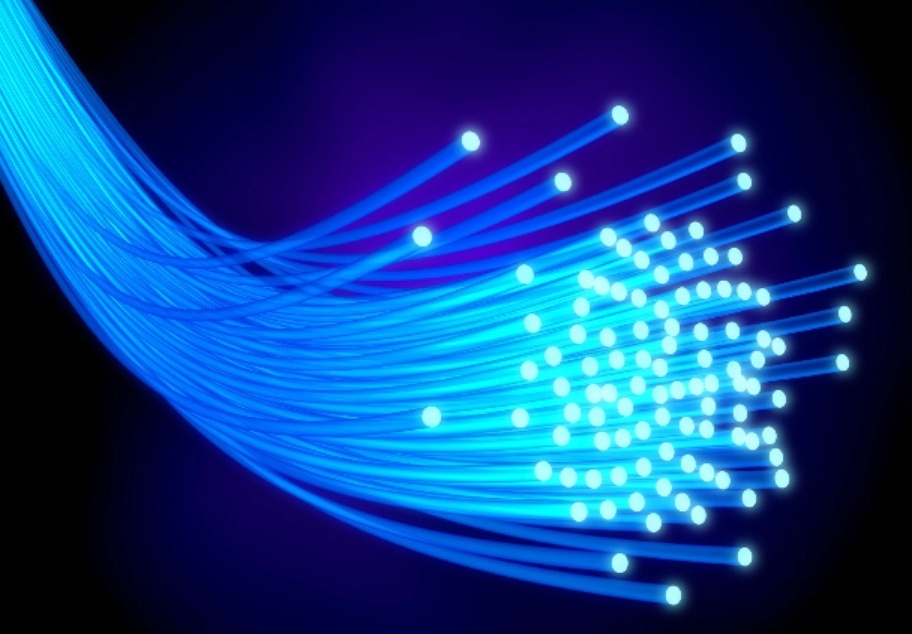
Fiber optic cabling benefits modern businesses through significantly faster speeds, lower latency, stronger reliability, and better long-term security than traditional copper networking.
As business reliance on cloud tools, video communication, and large file transfers increases, fiber optic installers are replacing aging copper cabling with networks designed to deliver higher bandwidth, lower latency, and greater reliability. Fiber was built to handle exactly these demands, making it well-suited for modern business operations.
Copper networking served businesses adequately for decades, but the demands placed on business internet connections have changed dramatically. Cloud-based software, high-resolution video conferencing, and constant file syncing all put pressure on a network in ways that simple email and web browsing never did. Fiber is built to handle exactly this kind of demand. Learning its specific advantages helps clarify why so many businesses are making the switch.
Key Takeaways
- Fiber can carry a strong signal for miles without the degradation copper experiences after a few hundred feet
- Fiber is immune to electromagnetic interference, unlike copper, which conducts electrical signals
- A single fiber connection offers enormous bandwidth capacity, reducing the need for future re-cabling
- Higher upfront installation cost is often offset by lower total cost of ownership over time
- Symmetrical upload and download speeds meaningfully improve cloud backups and video conferencing
1. Dramatically Faster Speeds
Copper networking typically maxes out around 1 Gbps, while fiber can exceed that significantly with considerable room for future growth as business needs increase. This translates directly into faster uploads, downloads, and file transfers across daily business operations, which compounds across an entire team over the course of a workday into meaningful time savings.
2. Symmetrical Upload and Download Speeds
Fiber providers commonly offer symmetrical bandwidth, meaning upload speed matches download speed, a capability rarely available with copper connections, which are typically optimized for downloads at the expense of upload performance. This matters significantly for businesses that regularly send large files, back up to the cloud, or rely on video conferencing, where a weak upload connection can cause noticeable lag or dropped calls, even when download speeds appear strong.
3. Minimal Signal Loss Over Distance
Copper cable signal quality degrades noticeably after a couple of hundred feet, often causing inconsistent speeds across different areas of a larger office, particularly in multi-floor buildings or facilities with a large physical footprint. Fiber maintains a clean signal over vastly longer distances, in some cases carrying a strong signal for miles without needing repeaters, which simplifies network design for larger or more spread-out business locations.
4. Immunity to Electrical Interference
Because copper conducts electrical signals, it is vulnerable to interference from nearby electrical equipment, power lines, and other sources of electromagnetic noise, which can cause intermittent, hard-to-diagnose connectivity issues. Fiber does not conduct electricity, making it fully unaffected by these common sources of network disruption, which is particularly valuable for businesses located near industrial equipment or high-voltage infrastructure.
5. Lower Latency for Real-Time Applications
For businesses relying on video calls, VoIP phones, or cloud-based applications, latency affects user experience as much as raw speed does. Fiber offers meaningfully lower latency than copper, resulting in smoother real-time communication, fewer dropped calls, and a generally more professional experience for both employees and clients on video meetings.
6. Greater Overall Reliability
Fiber is not affected by moisture, temperature fluctuations, or the gradual wear that degrades copper cable performance over time. This translates into fewer unexplained connectivity issues and more consistent day-to-day performance, which matters enormously for businesses that depend on a stable connection for point-of-sale systems, cloud-based software, or customer-facing services.
7. Stronger Security
Copper lines can be physically tapped to intercept data, and their electrical signals can be scrambled through deliberate interference, both of which present real security concerns for businesses handling sensitive information. Fiber does not radiate a signal that can be tapped this way, and any physical intrusion into the cable is immediately detectable, since cutting into fiber cable disrupts the signal entirely rather than allowing a quiet, undetected tap.
8. Durable Despite Its Delicate Reputation
Though made of glass, fiber optic cable is thinner, lighter, and can withstand more pulling tension during installation than bulkier copper cabling. Professional handling during installation remains important, since fiber does require more careful technique than copper, but day-to-day durability is not a significant concern once the cable is properly installed and protected within walls or conduit.
9. Future-Proofing Without Repeated Re-Cabling
A single fiber connection carries enormous bandwidth capacity relative to most current business needs. As data demands grow through cloud storage, video, and larger file sizes, fiber infrastructure accommodates that growth without requiring replacement, unlike copper systems that hit a practical ceiling and eventually need to be upgraded or replaced entirely to keep pace with business needs.
10. Lower Total Cost of Ownership
While fiber installation carries a higher upfront cost than copper, the combination of fewer outages, reduced maintenance needs, and a longer effective lifespan generally results in a lower total cost of ownership over time. Businesses that factor in the cost of repeated copper repairs, occasional re-cabling, and the productivity lost during outages often find that fiber’s higher initial price is recovered well within the first several years of use.
Choosing the Right Approach for Your Office
Not every business needs to replace every foot of existing copper cabling to see meaningful benefits from fiber. Many companies run fiber as a high-speed backbone between key points, such as network closets or between floors of a multi-story building, while keeping copper for shorter connections directly to individual desks and devices. This hybrid approach can deliver most of fiber’s core advantages, speed, reliability, and interference resistance, without the cost of a complete rip-and-replace project. A professional assessment of an office’s specific layout, current bottlenecks, and growth plans is typically the best starting point before deciding how much of a network to convert.
Fiber Optics Benefits For Businesses
Businesses evaluating a network upgrade should weigh fiber’s higher initial installation cost against its substantially lower long-term maintenance and reliability costs. Working with experienced fiber optic installers ensures the specific mix of fiber backbone and existing copper connections is designed to match a business’s actual layout and bandwidth needs, rather than applying a one-size-fits-all approach that may not reflect how a specific office or facility actually operates day to day.