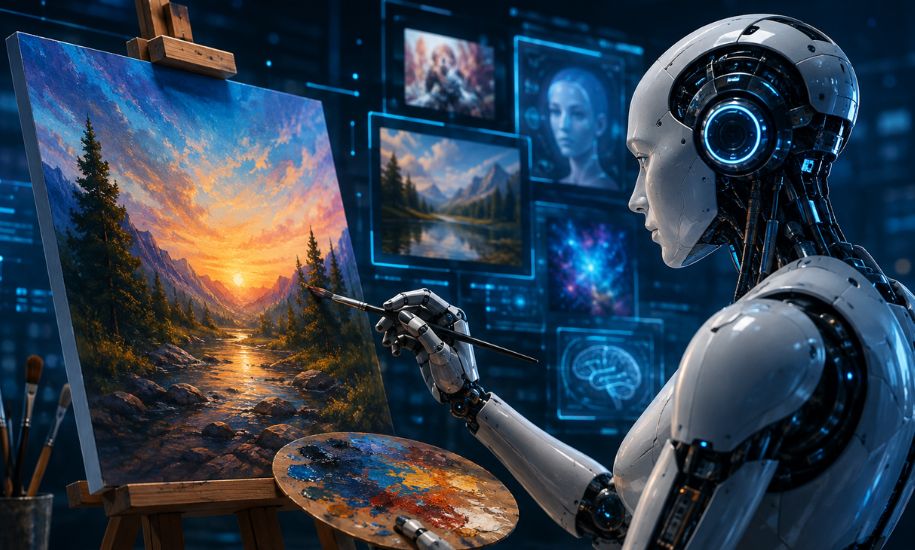
Artificial intelligence is changing the way people create, edit, and communicate through images. What once required professional software, photography equipment, design skills, and hours of manual work can increasingly be accomplished through a simple natural-language instruction. The GPT Image 2 Model represents an important step in this evolution, combining image generation, editing, stronger instruction following, improved text rendering, and flexible visual creation into a more capable AI-powered workflow.
What Is the GPT Image 2 Model?
The GPT Image 2 Model is OpenAI’s advanced image-generation and editing technology designed to turn written instructions and visual references into detailed images. Rather than functioning only as a traditional text-to-image system, it is intended to understand more complicated creative requirements and produce visuals that better correspond to the user’s instructions.
A creator can describe a scene, specify the composition, request particular objects, change the environment, or provide an existing image for editing. This makes the technology useful for both creative experimentation and practical production tasks.
Its broader significance comes from the way it connects language understanding with visual creation. Instead of learning complicated design software first, users can describe what they want in ordinary language and refine the result through additional instructions.
How It Changes AI Image Generation
Earlier generations of AI image generators demonstrated that computers could produce impressive artwork from text prompts. However, they often struggled with precise layouts, readable text, object relationships, and complicated instructions.
The newer generation focuses more strongly on controllability. A prompt can contain several requirements relating to composition, lighting, typography, positioning, style, and subject details. The objective is not simply to produce something visually attractive but to create something that more closely matches the requested concept.
This distinction is particularly valuable for professional users. A designer developing an advertising concept, for example, may need a product in a specific position, a particular background, suitable lighting, and readable promotional text. Better instruction following can reduce the amount of manual correction required after generation.
Improved Text and Typography
One of the most important areas of progress is the ability to create readable text inside images.
Text has traditionally been one of the biggest weaknesses of generative image systems. Posters, signs, menus, advertisements, packaging, and infographics frequently contained distorted letters or meaningless words. Improvements in text rendering make AI-generated visuals more practical for communication and commercial design.
This capability can be useful when creating promotional posters, educational graphics, social media designs, product concepts, presentation materials, and digital advertisements.
Multilingual visual creation is another potentially important advantage. The ability to work with different writing systems makes AI-generated graphics more useful for international audiences and businesses operating across multiple markets.
Image Editing and Visual References
Image generation is only one part of modern creative workflows. Editing is equally important, and this is where the technology can become particularly useful.
Users can start with an existing visual and request changes to specific elements. Depending on the task, these could include changing a background, modifying an object, creating a new visual variation, or adapting an image for another creative purpose.
Reference images can also help establish visual direction. Instead of explaining every detail through text, creators can provide an image and then describe the desired transformation. This approach can make the interaction more intuitive, particularly for designers and marketers who already have visual material to work with.
The ability to combine language instructions with visual references moves AI image creation closer to an interactive design assistant rather than a simple image generator.
Flexible Formats for Modern Content
Modern content appears across countless screen sizes and platforms. A website banner, mobile advertisement, social media post, blog thumbnail, presentation slide, and product graphic may all require different dimensions.
Flexible image generation helps address this challenge by allowing creators to think about the intended use of an image rather than adapting every project manually after generation.
For publishers, this can simplify the creation of featured images and supporting graphics. Marketing teams can develop variations for different campaigns, while designers can experiment with landscape, portrait, and square compositions.
This flexibility is particularly relevant to content creators who need visual assets quickly but still want control over the final presentation.
Applications for Businesses and Creators
The practical applications extend well beyond digital artwork.
Marketing and Advertising
Marketing teams can use generative visuals to explore campaign concepts, advertising compositions, promotional graphics, and social media creatives. Instead of commissioning a completely new design for every early-stage idea, teams can use AI to rapidly visualize concepts.
E-Commerce
Online retailers can potentially use image-generation and editing tools to create product environments, lifestyle scenes, promotional images, and alternative visual presentations.
This can be especially useful during the concept-development stage, where businesses want to test different creative directions before investing in final photography or production.
Publishing and Blogging
Publishers can use AI-generated visuals for article illustrations, thumbnails, feature images, explainers, and editorial concepts. For independent publishers, this can reduce dependence on expensive stock photography or lengthy manual design processes.
Education
Teachers, students, and educational publishers can explore AI-generated diagrams, illustrations, visual explanations, historical scenes, and instructional graphics. The ability to combine written instructions with visual generation makes it possible to develop customized learning materials for particular topics.
GPT Image 2 Model and Creative Workflows
The biggest change may not be the ability to create an individual picture. It is the possibility of incorporating AI into an entire creative workflow.
A typical process might begin with an idea written in natural language. The creator then generates an initial concept, identifies problems, requests changes, supplies references, and produces alternative versions. Instead of switching repeatedly between brainstorming, image searching, editing software, and design tools, more of these steps can happen through an interactive AI system.
This can make experimentation faster. Creators can test several visual directions before deciding which one deserves further refinement.
However, AI does not eliminate the importance of human judgment. Composition, branding, storytelling, originality, factual accuracy, and ethical decisions still require human oversight.
Limitations and Concerns
Greater visual realism also creates new challenges. As AI-generated images become increasingly convincing, it can become harder for audiences to determine whether a particular image represents a real event, person, document, or product.
Image editing introduces additional concerns around misinformation and authenticity. Highly convincing modifications could potentially be used to manipulate documents or create misleading visual evidence.
There are also creative considerations. Generative AI can accelerate design, but excessive dependence on automated outputs may produce repetitive visual styles or reduce the individuality of a creative project. Human direction remains important when originality and brand identity matter.
Users should therefore treat AI-generated visuals as creative material that requires review rather than automatically assuming that every generated image is accurate or appropriate.
The Future of AI Visual Intelligence
The development of advanced image models points toward a broader transformation in the relationship between language and visual media.
Future systems are likely to become better at understanding complex instructions, maintaining consistency across multiple images, editing visual content, generating accurate typography, and adapting designs for different contexts.
This could make AI increasingly useful as a creative collaborator. Instead of simply asking a machine to “make a picture,” users may increasingly describe an entire visual objective and allow the system to help plan, produce, revise, and adapt the required assets.
That shift is what makes the technology more significant than another step in AI art generation. It represents a move toward visual intelligence in which language, reasoning, design, and image manipulation become part of a single creative workflow.
Final Thoughts
The GPT Image 2 Model demonstrates how rapidly AI-powered visual creation is evolving. Its emphasis on instruction following, image editing, typography, visual references, and flexible content creation makes it relevant to designers, marketers, publishers, educators, businesses, and everyday creators. The technology still requires thoughtful human supervision, particularly where authenticity and accuracy matter, but its potential is substantial. As AI continues to connect language with visual understanding, tools such as this could fundamentally change how digital content is imagined and produced. For readers exploring the latest developments in artificial intelligence and digital creativity, Insider Newz can provide a useful perspective on how these technologies are shaping the future of online media and creative work.




