Introduction
A basement is much more than an extra storage area beneath a home. It serves as the foundation that supports the entire structure while providing valuable living space, utility access, and room for future expansion. However, because basements are located below ground level, they are constantly exposed to moisture from surrounding soil, groundwater, and changing weather conditions. Without proper protection, water can gradually enter through foundation walls, floor joints, or small cracks, leading to expensive structural damage, mold growth, poor indoor air quality, and the deterioration of valuable belongings. Many homeowners fail to recognize the seriousness of basement moisture until visible signs of water intrusion appear, but by that point, repairs are often much more extensive than preventive maintenance would have been.
Professional basement waterproofing is one of the most effective ways to preserve the structural integrity of a home while creating a healthier indoor environment. Rather than simply treating visible leaks, modern waterproofing systems identify the underlying causes of water intrusion and implement long-term solutions that prevent future problems. Whether a basement is unfinished, used for storage, or converted into a comfortable living area, protecting it from moisture improves durability, increases property value, and provides homeowners with lasting peace of mind. Understanding how waterproofing systems work and why they are essential helps homeowners make informed decisions that safeguard their investment for years to come.
Why Basements Are Vulnerable to Water Damage
Every home is surrounded by soil that naturally absorbs rainwater and groundwater throughout the year. As the soil becomes saturated, it expands and creates hydrostatic pressure against the foundation walls. This pressure forces water toward the basement, searching for any available opening through which it can enter. Even concrete, despite its strength, contains tiny pores that allow moisture to pass through under constant pressure. Small cracks, construction joints, utility penetrations, and aging waterproofing materials further increase the risk of water infiltration.
Seasonal weather changes also contribute significantly to basement moisture problems. Heavy rainfall, melting snow, freezing temperatures, and extended dry periods all affect soil movement around the home’s foundation. Expanding and contracting soil creates additional stress that may eventually lead to foundation cracks, allowing more water to penetrate the basement. Without effective waterproofing and proper drainage, these environmental conditions continue to place stress on the structure year after year, increasing the likelihood of long-term damage.
Common Causes of Basement Moisture
Several factors contribute to basement water problems, and understanding these causes is essential for selecting the most effective repair strategy. Poor exterior drainage is among the leading causes of basement leaks. When gutters become clogged or downspouts discharge water too close to the home, large amounts of rainwater collect around the foundation instead of flowing safely away. Improper landscape grading also allows water to pool near basement walls, increasing hydrostatic pressure and encouraging seepage.
Foundation cracks represent another common source of moisture intrusion. As concrete naturally settles or responds to changing soil conditions, cracks may develop that provide direct pathways for groundwater. Plumbing leaks beneath or inside the basement can introduce additional moisture that often remains hidden for extended periods. High indoor humidity, inadequate ventilation, and condensation on cold basement surfaces further contribute to damp conditions that encourage mold growth and material deterioration. Professional waterproofing addresses these issues by identifying every potential source of moisture rather than focusing solely on visible leaks.
Warning Signs That Indicate Waterproofing Is Needed
Basement moisture problems rarely develop overnight. Instead, they typically produce several warning signs that homeowners should recognize before serious structural damage occurs. One of the earliest indicators is a persistent musty odor that remains even after cleaning. This smell often results from mold or mildew growing behind finished walls or beneath flooring where moisture has accumulated over time.
Water stains on basement walls or floors, peeling paint, bubbling wall finishes, and white mineral deposits known as efflorescence all indicate that moisture is entering through the foundation. Homeowners may also notice rust forming on metal fixtures, warped wood, damaged drywall, or damp carpeting following periods of heavy rainfall. Increased indoor humidity, condensation on basement windows, and recurring mold growth further suggest that professional waterproofing may be necessary. Addressing these warning signs promptly helps prevent more extensive structural repairs while preserving indoor air quality.
Benefits of Professional Basement Waterproofing
Professional basement waterproofing provides comprehensive protection that extends far beyond simply stopping visible leaks. Experienced contractors begin by performing detailed inspections to determine how and where moisture is entering the basement. Instead of relying on temporary sealants, they design customized waterproofing systems that address drainage, foundation integrity, humidity control, and long-term moisture prevention. This comprehensive approach ensures that homeowners receive lasting protection rather than short-term cosmetic improvements.
One of the greatest benefits of waterproofing is the preservation of structural integrity. Keeping the foundation dry reduces the likelihood of concrete deterioration, wood rot, corrosion, and soil instability beneath the home. Waterproofing also creates a healthier indoor environment by reducing humidity levels that encourage mold growth and airborne allergens. Finished basements remain protected from costly water damage, while valuable belongings stored below ground stay safe during periods of heavy rainfall. In addition, professionally waterproofed homes often enjoy higher resale value because buyers appreciate the added protection and reduced risk of future structural issues.
Interior Waterproofing Systems
Interior waterproofing systems are designed to manage groundwater that reaches the foundation before it enters the living space. One of the most common solutions involves installing perimeter drainage channels beneath the basement floor. These hidden drainage systems collect groundwater and direct it toward a sump basin, where a pump safely removes the water away from the home. Because the system operates beneath the finished floor, it provides reliable protection without affecting the appearance or functionality of the basement.
Interior waterproofing may also include vapor barriers that reduce moisture transfer through basement walls, specialized waterproof coatings that help resist minor seepage, and dehumidification systems that maintain healthy humidity levels throughout the year. Together, these solutions create a dry, comfortable basement while reducing the likelihood of mold growth and structural deterioration.
Exterior Waterproofing for Maximum Protection
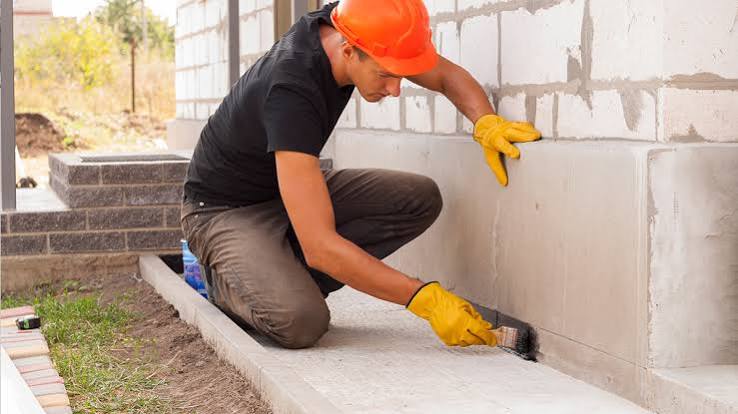
While interior waterproofing manages water after it reaches the foundation, exterior waterproofing is designed to stop moisture before it has the opportunity to penetrate basement walls. This approach is considered one of the most effective long-term solutions because it eliminates the source of water intrusion rather than simply controlling its effects. Professional contractors begin by excavating around the home’s foundation to expose the exterior walls and inspect their condition. Existing cracks, deteriorated waterproof coatings, and other vulnerabilities are repaired before a durable waterproof membrane is applied to create a protective barrier against groundwater. Drainage boards are often installed over the membrane to improve water flow while protecting the waterproof coating from soil pressure during backfilling. Although exterior waterproofing requires more extensive labor, it provides outstanding long-term protection by reducing hydrostatic pressure and preventing recurring basement leaks.
Proper landscaping also contributes to the effectiveness of exterior waterproofing. Contractors often recommend improving the slope around the home so rainwater naturally flows away from the foundation instead of collecting beside basement walls. Combined with professionally installed drainage systems, these improvements help reduce soil saturation and significantly lower the risk of future water intrusion. Homeowners who invest in exterior waterproofing benefit from increased structural durability and greater confidence during periods of heavy rainfall.
Foundation Crack Repair
Foundation cracks are among the most common pathways through which water enters a basement. Even small openings allow groundwater to seep into the home, especially during wet seasons when surrounding soil becomes saturated. Professional crack repair begins with determining whether the damage is cosmetic or structural. Hairline shrinkage cracks may only require sealing, while larger or expanding cracks often indicate movement that requires stabilization before permanent repairs can be completed.
Epoxy injection is frequently used to restore structural strength by bonding cracked concrete together, while polyurethane injection creates a flexible waterproof seal that accommodates minor movement without allowing moisture to pass through. These advanced repair methods provide much more reliable protection than temporary patching materials because they address both water infiltration and the long-term performance of the foundation. Repairing cracks promptly also helps prevent additional structural deterioration while preserving the effectiveness of the entire waterproofing system.
Sump Pump Systems and Their Importance
A sump pump is a vital component of many basement waterproofing systems because it actively removes groundwater before flooding occurs. Installed inside a specially designed sump basin, the pump automatically activates whenever water reaches a predetermined level and safely discharges it away from the home’s foundation. This automatic operation provides continuous protection during heavy storms when water accumulation is most likely to occur.
Modern sump pump systems often include battery backup units that continue operating during electrical outages caused by severe weather. This additional layer of protection is especially valuable because power failures frequently occur at the same time as intense rainfall. Routine maintenance, including testing the float switch, cleaning the sump basin, and inspecting discharge lines, helps ensure reliable operation throughout the year. A properly maintained sump pump significantly reduces the risk of basement flooding and protects valuable belongings stored below ground.
Improving Drainage Around the Home
Effective drainage is one of the most important elements of a successful waterproofing strategy. Even the highest-quality waterproofing materials perform better when rainwater is directed away from the home’s foundation instead of being allowed to accumulate nearby. Gutters should be cleaned regularly to prevent overflow, while downspouts should extend several feet away from the foundation to carry roof runoff safely away from basement walls.
Professional contractors may also recommend installing French drains or surface drainage systems in areas where groundwater consistently collects. These drainage solutions intercept excess water before it reaches the foundation, reducing hydrostatic pressure and improving the overall performance of the waterproofing system. Proper landscape grading further supports these efforts by encouraging natural water flow away from the home. Together, these improvements create multiple layers of protection against future moisture problems.
Preventing Mold and Improving Indoor Air Quality
Moisture is one of the primary causes of mold growth inside basements. Once mold begins developing, it can spread rapidly behind walls, beneath flooring, and into insulation, affecting indoor air quality throughout the entire home. Mold spores may contribute to unpleasant odors and create an unhealthy living environment, particularly for individuals with allergies or respiratory sensitivities.
Professional waterproofing helps eliminate the conditions mold requires by keeping the basement dry and controlling humidity levels. Additional measures such as installing dehumidifiers, improving ventilation, and repairing plumbing leaks further reduce the likelihood of mold development. Maintaining a dry basement benefits not only the structure itself but also the health and comfort of everyone living in the home.
Protecting Finished Basements
Finished basements often represent a substantial investment because they provide additional bedrooms, entertainment areas, offices, fitness rooms, or guest accommodations. Unfortunately, these spaces are also highly vulnerable to water damage. Moisture can ruin drywall, flooring, insulation, electrical systems, furniture, and valuable personal belongings within a short period of time. Professional Basement waterproofing helps safeguard these investments by preventing water intrusion before damage occurs.
Homeowners planning basement remodeling projects should ensure waterproofing concerns are addressed before construction begins. Starting with a dry, protected foundation creates a reliable environment for finished materials and significantly reduces the likelihood of future restoration costs. Proper waterproofing allows homeowners to enjoy their additional living space with greater confidence and fewer maintenance concerns.
Routine Maintenance for Long-Term Performance
Although professionally installed waterproofing systems are designed for durability, routine maintenance helps preserve their effectiveness over many years. Homeowners should inspect gutters, downspouts, and exterior grading regularly to ensure water continues flowing away from the home. Foundation walls should be monitored for new cracks, while sump pumps should be tested several times each year to verify proper operation.
Humidity levels inside the basement should also be monitored, particularly during seasons with high outdoor moisture. Dehumidifiers, drainage systems, and waterproof coatings all perform best when maintained according to professional recommendations. Scheduling periodic inspections allows contractors to identify minor concerns before they develop into costly structural repairs, extending the lifespan of the waterproofing system while protecting the home’s overall condition.
Choosing the Right Waterproofing Contractor
Selecting a qualified waterproofing contractor is essential for achieving lasting results. Experienced professionals begin with comprehensive inspections that evaluate foundation conditions, drainage performance, soil characteristics, and existing moisture problems before recommending customized solutions. Rather than relying on temporary repairs, reputable contractors design systems that address the underlying causes of water intrusion.
Homeowners should choose companies with extensive experience, positive customer reviews, quality materials, and dependable warranties. Clear communication, detailed project explanations, and transparent pricing demonstrate a contractor’s commitment to delivering long-term value. Working with knowledgeable specialists ensures that every aspect of the waterproofing project is completed according to professional standards, providing homeowners with reliable protection for years to come.
Conclusion
Water intrusion is one of the most serious threats to a home’s foundation, structural integrity, and indoor environment. Although basement moisture often begins with minor warning signs, ignoring these issues can lead to mold growth, damaged building materials, reduced property value, and expensive structural repairs. Professional basement waterproofing provides a comprehensive solution by combining foundation crack repair, interior drainage systems, exterior waterproofing, sump pump protection, and effective water management strategies that keep basements dry throughout every season.
Investing in professional basement waterproofing is one of the smartest decisions homeowners can make to protect their property for the long term. A dry basement contributes to healthier indoor air, improved energy efficiency, greater structural stability, and increased home value while giving homeowners confidence that their investment is protected against future moisture-related problems. With expert installation, regular maintenance, and a proactive approach to water management, a waterproofed basement remains a dependable and valuable part of the home for many years to come.