When it comes to building or buying a custom desk, one of the most consequential decisions you will make is choosing the right type of wood. The material you select affects not only the appearance of your workspace but also its durability, cost, and long-term performance. Two broad categories dominate the conversation: solid wood and engineered wood. Each has its own set of strengths, limitations, and ideal use cases. Understanding the differences between them is the foundation of any smart furniture decision, whether you are outfitting a home office, a creative studio, or a professional workspace.
What Is Solid Wood and Why Does It Matter?
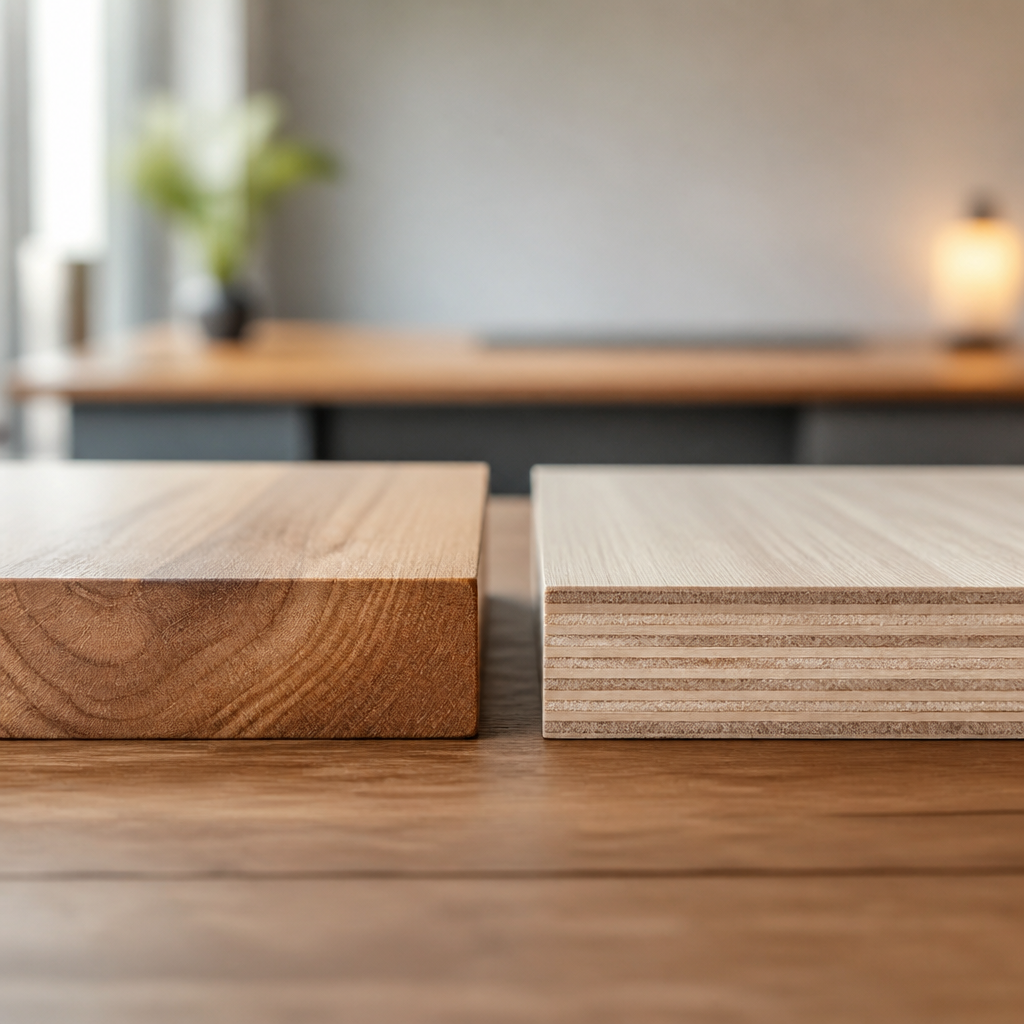
Solid wood is exactly what the name implies — lumber cut directly from a tree, with no composite materials or adhesives involved in its core structure. Species such as oak, walnut, maple, cherry, and ash are among the most popular choices for desk construction. Each species carries its own grain pattern, density, and natural color variation, making every piece of solid wood furniture genuinely one of a kind.
The appeal of solid wood goes beyond aesthetics. A well-constructed solid wood desk can last for generations when properly maintained. It can be sanded down and refinished multiple times, allowing the surface to be restored after years of use. This repairability is one of the most underappreciated advantages of solid wood — unlike many modern materials, it does not simply get discarded when it shows wear. It gets renewed.
The Natural Drawbacks of Solid Wood
Despite its many virtues, solid wood is not without challenges. It is a living material in the sense that it continues to respond to changes in humidity and temperature long after it has been cut and shaped. This means solid wood desks can expand, contract, warp, or crack if exposed to extreme environmental conditions. Proper sealing, finishing, and placement away from direct heat sources or air conditioning vents can mitigate these risks significantly, but they cannot be eliminated entirely.
Cost is another consideration. Premium hardwoods like walnut and cherry command high prices, and wide, clear boards free of knots are even more expensive. For buyers working within a budget, solid wood may require compromise — either in species selection, board width, or overall desk dimensions.
Understanding Engineered Wood: More Than Just a Budget Option
Engineered wood is a broad category that includes products such as plywood, medium-density fiberboard (MDF), particleboard, and oriented strand board (OSB). These materials are manufactured by bonding wood fibers, veneers, or particles together using adhesives under heat and pressure. The result is a product that is often more dimensionally stable than solid wood and significantly more affordable.
For a deeper understanding of how these materials are made and what distinguishes them from one another, this detailed guide on engineered wood from Family Handyman provides an excellent breakdown of the manufacturing processes and practical applications of each type.
Plywood: The Preferred Engineered Option for Desks
Among engineered wood products, plywood stands out as the most suitable for desk construction. It is made by layering thin sheets of wood veneer with alternating grain directions, which gives it exceptional strength and resistance to warping. Baltic birch plywood, in particular, is a favorite among furniture makers and woodworkers for its fine grain, smooth surface, and consistent core quality. A plywood desktop can be finished with edge banding, solid wood edging, or a veneer to achieve a look that rivals solid wood at a fraction of the cost.
MDF, while smooth and easy to paint, is heavier and more susceptible to moisture damage, making it a less ideal choice for desk surfaces that will see daily use. Particleboard is the most economical option but also the least durable, and it does not hold screws or fasteners as reliably as plywood or solid wood.
Designing a Custom Desk: Combining Materials Strategically
Many experienced woodworkers and furniture designers do not treat solid wood and engineered wood as an either-or proposition. Instead, they combine both materials to take advantage of the strengths of each. A common approach is to use a solid wood top — where visual impact and tactile quality matter most — while building the base, drawers, and internal structure from high-quality plywood. This hybrid approach delivers the warmth and beauty of natural wood where it counts while keeping the overall project cost manageable and structurally sound.
If you are planning to build your own desk or commission a custom piece, understanding how to approach the design process is just as important as material selection. For practical guidance on planning dimensions, joinery, and finishing techniques, this comprehensive resource on choosing and building a custom solid wood desk covers the key decisions from start to finish.
Finish and Surface Treatment: The Final Layer of Protection
Regardless of whether you choose solid wood or engineered wood, the finish you apply plays a critical role in the desk’s longevity and appearance. Oil finishes penetrate the wood and enhance its natural grain while providing moderate protection. Polyurethane and lacquer create a harder surface film that resists scratches and spills more effectively. For a more natural look with easy maintenance, hardwax oils are increasingly popular among furniture makers. The right finish depends on how the desk will be used — a writing surface has different demands than a desk that doubles as a crafting table or a gaming station.
TarRiver: Craftsmanship Rooted in Quality Materials
TarRiver represents a commitment to thoughtful craftsmanship and material integrity that resonates deeply with anyone who values well-made furniture. Whether you are drawn to the timeless character of solid hardwood or the practical versatility of engineered alternatives, the principles of good design remain constant: choose materials that suit the function, build with precision, and finish with care. TarRiver embodies these values in its approach to woodworking and furniture, making it a trusted name for those who take their workspace seriously.
Making Your Final Decision
Choosing between solid wood and engineered wood for a custom desk ultimately comes down to your priorities. If longevity, repairability, and natural beauty are at the top of your list and budget is not a primary constraint, solid hardwood is the superior choice. If you need dimensional stability, cost efficiency, and design flexibility, a high-quality engineered option like Baltic birch plywood may serve you better — especially when paired with solid wood accents.
The best desks are not necessarily the most expensive ones. They are the ones built with intention, using materials chosen for the right reasons, and finished with the kind of care that makes a piece of furniture feel like it belongs in a space rather than simply occupying it. Take the time to understand your materials, plan your design thoroughly, and invest in quality where it matters most. Your workspace will reflect that effort for years to come.