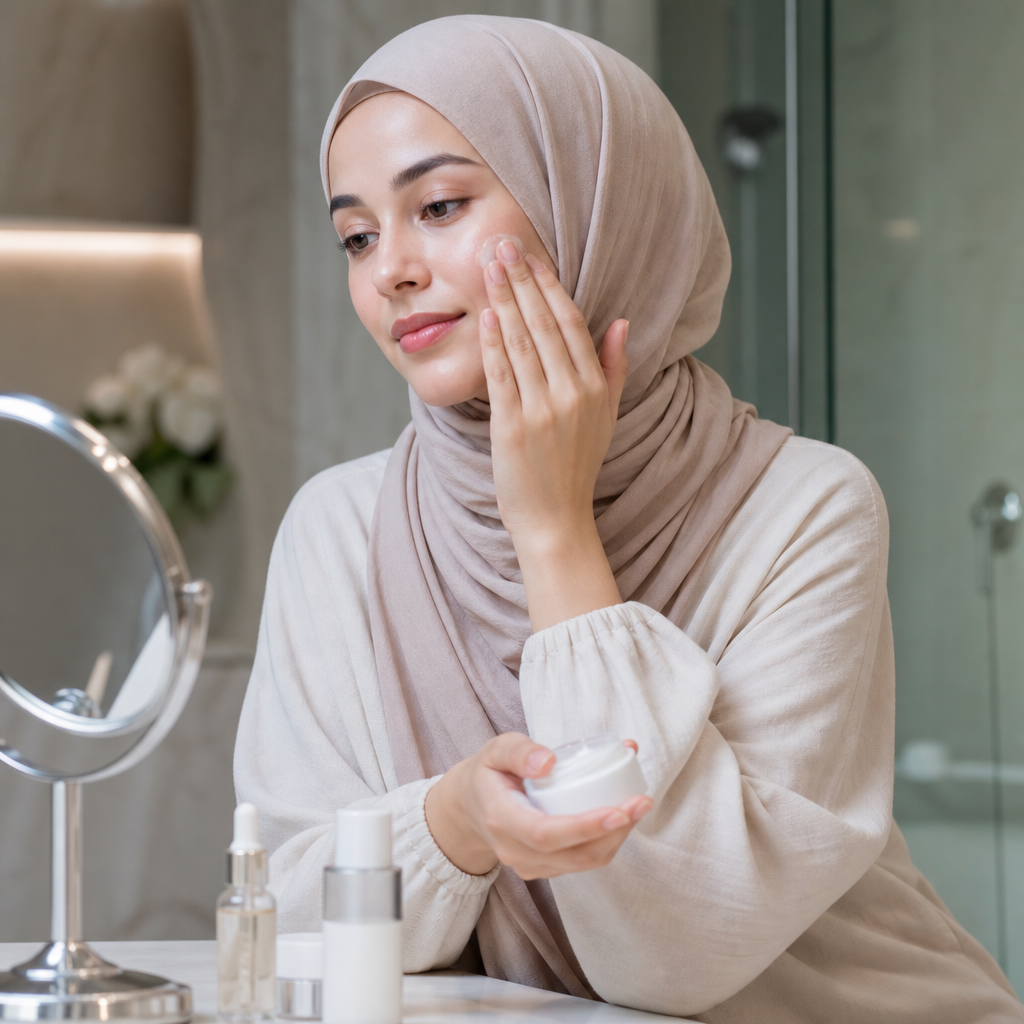
The skincare industry is saturated with promises — serums that claim to reverse aging overnight, moisturizers that swear by glass-skin results, and toners that pledge to transform your complexion in a week. Yet for most people, especially those juggling busy schedules, the challenge is not finding products but understanding which ones genuinely deliver. Building a skincare routine that works requires more than just buying what is trending. It demands a thoughtful approach rooted in understanding your skin type, your lifestyle, and the science behind the ingredients you are applying every day.
Why Your Skincare Routine Needs a Strategy
Most people approach skincare reactively — they notice a breakout, a dry patch, or fine lines and immediately reach for the nearest product that promises a fix. This trial-and-error method is not only costly but can sometimes worsen skin conditions. A strategic skincare routine, on the other hand, is built around consistency, compatibility, and a clear understanding of what your skin actually needs at different stages of the day and year.
The foundation of any effective routine begins with three non-negotiables: cleansing, moisturizing, and sun protection. Everything else — exfoliants, serums, eye creams, and treatments — layers on top of this foundation. The order in which you apply products matters enormously, as does the combination of active ingredients you choose to use together.
Understanding Active Ingredients and Their Interactions
One of the most overlooked aspects of skincare is ingredient compatibility. Not all actives play well together. For instance, combining retinol with vitamin C in the same application can reduce the efficacy of both and increase the risk of irritation. Similarly, using multiple exfoliating acids simultaneously can compromise your skin barrier, leading to redness, sensitivity, and breakouts — the very issues you were trying to solve. According to expert guidance on pairing skincare actives effectively, understanding which ingredients complement each other is just as important as knowing which ones to avoid layering together.
Niacinamide, for example, pairs beautifully with hyaluronic acid and zinc, making it a versatile ingredient for those dealing with both hydration concerns and enlarged pores. Vitamin C works best in the morning under sunscreen, while retinol is most effective when used at night. These are not arbitrary rules — they are grounded in the chemistry of how these molecules interact with your skin and with each other.
The Real-Life Skincare Challenge: Busy Schedules and Budget Constraints
For working adults, particularly parents managing careers and households simultaneously, skincare often becomes an afterthought. The idea of a ten-step routine sounds appealing in theory but is rarely sustainable in practice. This is why the most effective routines are often the simplest ones — a well-chosen cleanser, a targeted treatment, a reliable moisturizer, and SPF. The key is choosing products that do more with less.
Budget also plays a significant role. Many consumers assume that higher price points guarantee better results, but that is not always the case. Drugstore brands have made remarkable strides in formulation quality, and some of the most dermatologist-recommended ingredients — like ceramides, niacinamide, and hyaluronic acid — are widely available at accessible price points. The question is not always how much you spend but whether you are spending wisely. A real-world comparison of Olay and L’Oréal moisturizers from a working mom’s perspective highlights exactly this tension — proving that thoughtful product selection matters far more than brand prestige alone.
Moisturizers: The Cornerstone of Every Effective Routine
Regardless of your skin type — oily, dry, combination, or sensitive — moisturizing is non-negotiable. Even oily skin requires hydration; skipping moisturizer can actually trigger the skin to overproduce sebum as a compensatory response. The right moisturizer creates a protective barrier, locks in hydration, and supports the skin’s natural repair processes overnight.
When selecting a moisturizer, look for formulations that include humectants like hyaluronic acid and glycerin, emollients like squalane or shea butter, and occlusives like petrolatum or dimethicone. This combination ensures that moisture is attracted to the skin, softened, and then sealed in. Gel-based moisturizers tend to suit oily and combination skin types, while richer creams are better suited for dry or mature skin.
Discovering Bonjil: A Fresh Perspective on Skincare Discovery
Navigating the overwhelming world of beauty and skincare products can feel like a full-time job. That is where platforms designed to simplify discovery become genuinely valuable. Bonjil is one such platform, offering a curated space where users can explore beauty, lifestyle, and wellness content in a way that feels personal and relevant rather than algorithmically generic. Whether you are looking for honest product comparisons, skincare tips tailored to real-life needs, or simply a community that understands the complexity of modern beauty routines, Bonjil brings together the kind of content that actually helps people make better decisions.
How Curation Changes the Way We Shop for Skincare
The value of a well-curated platform cannot be overstated in an era of information overload. When every brand claims to be the best and every influencer has a discount code, it becomes nearly impossible to separate genuine recommendations from paid promotion. Platforms that prioritize editorial integrity and real user experiences help cut through the noise, allowing consumers to make informed choices based on honest, experience-driven content rather than marketing language.
This shift toward curation over volume is reshaping how people discover and evaluate skincare products. Rather than scrolling through thousands of reviews on a retailer’s website, consumers are increasingly turning to trusted editorial sources that contextualize products within real lifestyles and genuine skin concerns.
Building Consistency: The Most Underrated Skincare Habit
Even the most scientifically advanced skincare product will fail to deliver results if used inconsistently. Skin renewal cycles typically take around 28 days, meaning that most treatments require at least four to six weeks of consistent use before visible improvements appear. This is why patience and routine adherence are arguably more important than the specific products you choose.
Setting a realistic routine — one that you can genuinely commit to morning and night — is the single most impactful decision you can make for your skin. Start simple, introduce new products one at a time, and give each addition at least three to four weeks before evaluating its impact. Keep a mental or written note of how your skin responds, and do not be afraid to simplify if your routine starts feeling like a burden rather than a ritual.
Conclusion: Skincare Is Personal, and That Is the Point
There is no universal skincare routine that works for everyone. Skin is as individual as a fingerprint — shaped by genetics, environment, diet, stress levels, hormones, and age. What works brilliantly for one person may cause irritation or breakouts for another. The most empowering thing you can do for your skin is to invest time in understanding it, approach product selection with curiosity rather than impulse, and build a routine that respects both your skin’s needs and your lifestyle’s demands. When you combine the right ingredients, the right products, and the right information sources, great skin is not a luxury — it is an achievable, sustainable reality.