Seedance 2.0 vs Seedance 2.5: What Makes the New Generation of AI Video Creation Stand Out?

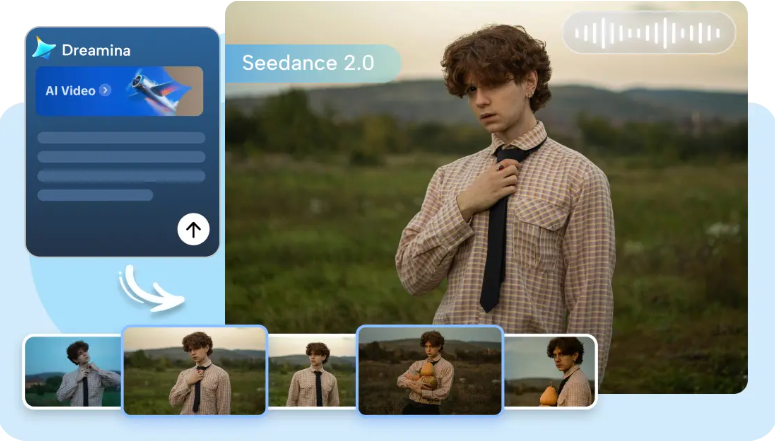
AI video creation is moving quickly today, but not every new model feels like a meaningful step forward. The most interesting developments are the ones that make creative work easier without taking away the human decisions that give a video its personality. That is where newer Seedance 2.0 models have attracted attention. For creators, marketers, educators, and casual users, the appeal is simple: turning an idea, reference, or short description into a more polished visual sequence.
A New Approach to AI Video Creation
Earlier text-to-video systems often produced impressive clips but struggled with consistency. A character might change appearance between shots, movement could feel unnatural, and detailed prompts were sometimes interpreted too loosely. Newer generation models aim to reduce those frustrations by giving creators more control over the relationship between prompts, visuals, motion, and storytelling.
Seedance 2.0 represents this broader shift toward more controllable video generation. Instead of treating a prompt as a single instruction, creators can think about the scene they want, the mood they want to establish, and the visual details that need to remain recognizable. That makes the process feel much closer to directing than simply pressing a generate button.
Why Consistency Matters
Consistency is especially important when a video contains several connected shots. A product advertisement, short story, social media campaign, or educational sequence needs a visual thread from beginning to end. When characters, objects, lighting, and composition remain reasonably coherent, the final result feels intentional rather than assembled from unrelated clips.
AI-generated footage can still contain unexpected details, so reviewing results remains essential. The strongest workflow combines generation with human editing and judgment.
Exploring Seedance 2.5
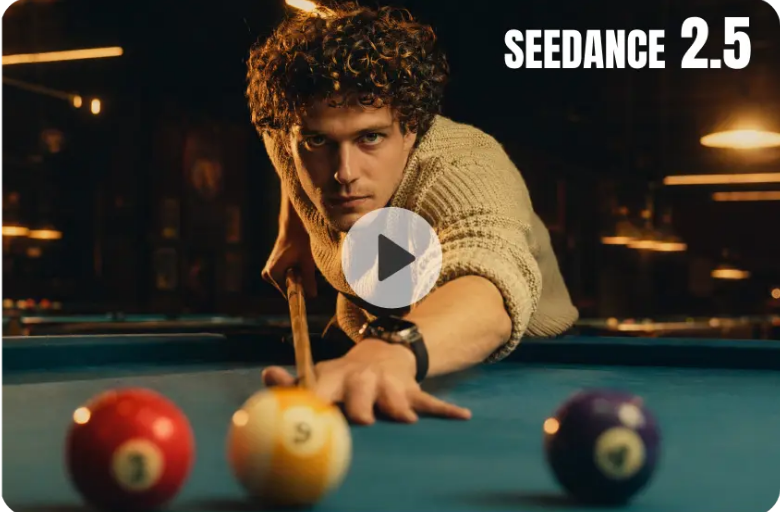
Seedance 2.5 focuses on details that matter during production. Improvements are valuable when they reduce revisions. Better motion can make experimentation faster and give creators more opportunities to refine a scene before finalizing it.
The practical advantage is testing ideas quickly. A filmmaker can explore visual directions before committing to one, while a business can experiment with campaign concepts. A content creator can turn a rough idea into a visual draft without mastering complex production software.
From Prompt to Story
Good video creation starts before generation. A clear concept usually beats disconnected instructions. Think about the subject, action, perspective, atmosphere, and audience. Once those choices are clear, technology helps explore the concept rather than replace planning.
Creators can also use Dreamina to explore different video ideas and discover how these newer generation capabilities fit into their own workflow. The goal should be experimentation: generate, review, refine, and repeat.
Which Model Fits Different Creative Goals?
Choosing between the two versions is not simply about which is “best.” Different projects have different priorities. Someone making social content may value speed, while a narrative creator may prioritize consistency and control.
Judge results against the actual project. Does the generated motion support the story? Do important objects remain recognizable? Does the visual style match the brand or audience? Are revisions manageable? These questions matter more than choosing by version number.
Think Like an Editor
Generation is only one stage of the process. Strong results often come from selecting the best clips, trimming unnecessary moments, arranging shots in a logical order, adding sound, and adjusting pacing. Even impressive footage can feel flat without rhythm.
This is why human involvement still matters. AI can accelerate repetitive parts of production, but creators decide what deserves to stay. A five-second clip can communicate more effectively than a twenty-second sequence when every frame has a purpose.
Practical Uses Beyond Social Media
AI video tools are useful beyond entertainment. Retailers can create product concepts, teachers can visualize abstract subjects, designers can present motion ideas, and marketing teams can prototype campaign scenes before full production.
For independent creators, the biggest benefit is accessibility. Traditional production can require cameras, locations, actors, and editing expertise. Generative tools do not replace those disciplines, but they can lower the barrier to exploring an idea. A person with a strong concept can now move from imagination to a visual prototype much sooner.
Building a Better Creative Workflow
The best results usually come from treating generation as an iterative process. Start with one clear scene instead of an entire film. Review the output, keep what works, and change only what needs improvement. This makes it easier to understand why a result succeeds or fails.
It also helps to keep references organized and maintain a consistent visual direction. When a project has a defined subject, mood, color language, and pacing, individual clips are easier to combine later. Small improvements made during each generation round can save considerable editing time.
The Future of AI-Assisted Video
Newer models point toward a broader change in visual content production. The technology is becoming less about generating isolated demonstrations and more about helping people develop complete creative concepts.
That does not mean traditional filmmaking is disappearing. Instead, the boundary between planning, production, and experimentation is becoming more flexible. Creators can visualize an idea earlier, test alternatives faster, and make decisions with a clearer sense of what the finished concept might look like.
Final Thoughts
The real value of modern video generation is not the novelty of watching a machine create moving images. It is the freedom to explore ideas that might otherwise remain unfinished. With thoughtful prompts, careful review, and purposeful editing, these tools can become practical creative partners.
For anyone curious about the next stage of AI video production, exploring Seedance 2.5 can reveal where the medium is heading. The technology will continue changing, but the strongest videos will still depend on something technology cannot replace: a clear idea and a creator who knows why it matters.



