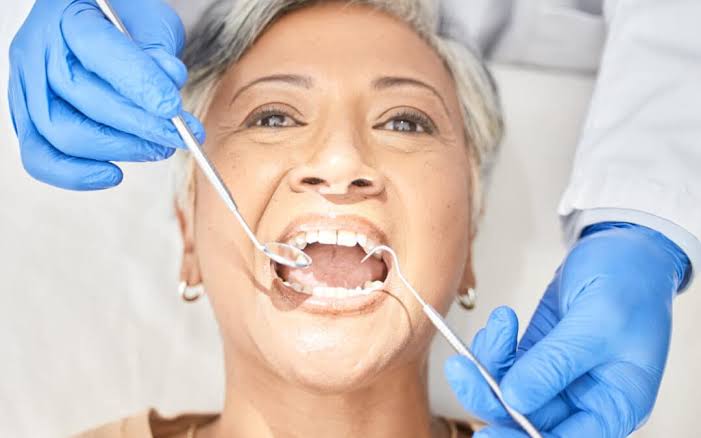
Most people who put off a dental visit aren’t being careless. Life gets busy, nothing hurts, and a check-up feels like something that can wait. If you’ve been searching for a dentist in Kenilworth after a longer gap than you’d like to admit, you’re not alone and you’re probably wondering whether it’s actually a problem, or just something dentists say to get you back in the chair.
It is a problem. Here’s what tends to happen, stage by stage, when a year passes without anyone looking inside your mouth.
The First Few Months: Small Things Go Unnoticed
Early decay doesn’t announce itself. A tiny patch of enamel breakdown, invisible to you and painless at this stage, can sit quietly on a back tooth for months. The same goes for the first signs of gum disease- gingivitis, which shows up as slightly puffy or bleeding gums when you brush. Most people brush through it and think nothing more of it.
This is the stage where a routine visit with a dentist in Kenilworth would catch things cheaply. A small filling. A professional clean. Neither is dramatic, and neither costs much compared with what comes next.
Months Six to Nine: The Damage Starts Compounding
Left alone, that early decay doesn’t stay small. It works through the enamel and into the dentine underneath, which is softer and breaks down faster. A cavity that would have needed a simple filling at month three can need a larger restoration, or even root canal treatment, by month nine because the decay has reached the nerve.
Gum disease follows its own timeline. Gingivitis, if untreated, can progress toward periodontitis, the stage where the bone and tissue supporting your teeth start to be affected, not just the gums themselves. This shift matters because periodontitis isn’t reversible in the way gingivitis is. Once bone loss begins, treatment shifts from prevention to management.
Around the One-Year Mark: Problems That Used to Be Simple Aren’t Anymore
By the time a full year has passed without a check-up, a few things tend to have happened for people with untreated issues:
A cavity has often turned into something requiring a crown or root canal rather than a filling. Gum disease, if it started early in the year, may have advanced enough that a dentist is now talking about deeper cleaning below the gumline rather than a standard polish. And any small issue that was purely cosmetic- a chip, a bit of wear has gotten worse simply from continued use.
None of this happens because people neglect their teeth on purpose. It happens because nothing hurt, so there was no clear moment that forced a decision.
Why the Cost Escalates the Way It Does
This is the part that surprises people most. A filling at an early stage is a routine, inexpensive procedure. The same tooth, left long enough, can end up needing a root canal and a crown, treatment that costs several times more and takes longer to complete. Gum disease follows a similar pattern: professional cleaning is far cheaper than the ongoing periodontal treatment needed once bone loss has started.
Delaying a visit to a dentist in Kenilworth doesn’t save money in the long run for most people. It just moves the cost further down the road and makes it larger when it arrives.
Where a Team Like Andrew Lee Dental Practice Comes In
Catching this progression early is largely what a regular check-up is for. At Andrew Lee Dental Practice in nearby Lillington, the therapy team, including Timothy Rhodes, who focuses specifically on periodontal disease and root surface treatment, sees this pattern often: patients who return after a longer gap than planned, at the point where gum disease has moved past the easily reversible stage. Picking it up sooner, rather than at the one-year mark, is the difference between a straightforward clean and a longer course of treatment.
What This Means If You’re Overdue
If it’s been close to a year since your last check-up, the honest advice is simple: book one before you notice a problem, not after. Decay and gum disease both develop silently for months before they become painful, and by the time you feel something, the cheaper stage of treatment has usually already passed.
Summary
Skipping a check-up rarely causes immediate harm, which is exactly why it feels safe to do. But decay and gum disease both progress in stages, and each stage that passes without treatment tends to cost more, take longer, and involve more invasive work than the one before it. Finding a dentist in Leamington Spa, Kenilworth and Warwick and getting back on a regular schedule isn’t about ticking a box, it’s the difference between a small filling now and a much bigger procedure later.