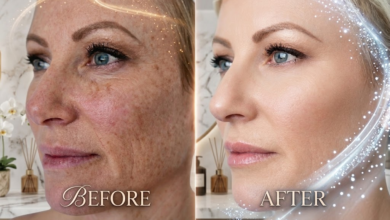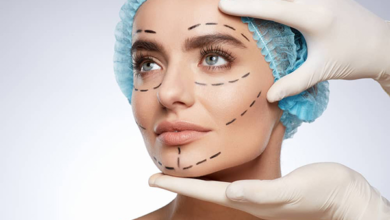
Facial rejuvenation has evolved significantly, moving away from the tight, pulled look of previous decades toward natural, balanced results. If you are considering facial rejuvenation, finding a skilled deep plane facelift surgeon in London is the first step toward understanding your options. With so many procedures available in the field of cosmetic surgery in London, from minimally invasive treatments to comprehensive surgical lifts, patients often struggle to distinguish between them. Understanding how the deep plane technique differs from traditional options ensures you make an informed decision about your care. This article breaks down the structural differences, recovery profiles, and long-term outcomes of these various facial procedures to help you identify the best approach for your aesthetic goals.
The Anatomy of Facial Ageing and the Deep Plane Approach
To understand why the deep plane technique stands out, one must first understand how the face ages. Over time, gravity, loss of elasticity, and volume depletion cause the superficial musculoaponeurotic system (SMAS)—the fibrous muscle layer beneath the skin—to sag. Traditional facelifts address this by separating the skin from the underlying muscle, pulling the skin tight, and stitching the SMAS layer to create tension. This older method can sometimes result in a windblown or artificial appearance because the skin bears the tension of the lift.
In contrast, the deep plane technique targets the deeper structural tissues directly. Instead of separating the skin from the muscle, the surgeon accesses the space beneath the SMAS layer. By releasing key retaining ligaments that bind these deep tissues to the facial bones, the surgeon can reposition the entire muscle and fat unit as a single, cohesive structure. This repositioning occurs vertically, counteracting gravity naturally without placing any tension on the skin itself. Because the skin remains attached to the underlying muscle layer, the blood supply is preserved, which often leads to healthier tissue healing and a more vibrant, youthful complexion post-surgery.
Key Differences Between Traditional and Deep Plane Facelifts
While both procedures aim to restore youthfulness, their execution and outcomes differ dramatically. A traditional facelift primarily addresses the lower third of the face and jawline but often fails to lift the midface or cheeks effectively. This limitation occurs because pulling the skin horizontally does not lift the fallen malar fat pads in the cheeks. Patients seeking comprehensive rejuvenation often find that consulting a deep plane facelift surgeon in London offers a more complete solution.
The deep plane method addresses the midface, jawline, and neck simultaneously. By lifting the deeper tissues vertically, it naturally restores volume to the cheekbones and softens the nasolabial folds running from the nose to the mouth. Furthermore, because the skin is not pulled tight, the corners of the mouth are not unnaturally stretched, and the earlobes remain undistorted. This structural relocation provides a remarkably natural appearance. Another major difference lies in longevity. Traditional facelifts typically last between five to ten years as the stretched skin inevitably begins to sag again. Because the deep plane technique alters the underlying muscle structure, the results are far more durable, frequently lasting fifteen years or more before natural ageing processes resume.
Comparing Deep Plane Lifts with Mini Facelifts and Thread Lifts
As demand for facial rejuvenation grows, patients are presented with numerous lighter alternatives, such as mini facelifts and non-surgical thread lifts. These options appeal to those seeking minimal downtime, but they offer vastly different outcomes compared to comprehensive cosmetic surgery in London. A mini facelift, for example, utilises shorter incisions and focuses solely on the lower jawline. It is suitable for younger patients with mild skin laxity, but it cannot address deep tissue sagging or midface volume loss.
Thread lifts, on the other hand, are non-surgical procedures that use temporary, dissolvable sutures to pull the skin upward. While they provide an immediate lift, the results are temporary, usually fading within twelve to eighteen months as the threads dissolve. Thread lifts also fail to address severe jowling or excess neck skin. For patients experiencing significant signs of structural ageing, these temporary fixes often lead to disappointment and repeated expenses. A deep plane facelift addresses the root cause of facial ageing rather than masking the symptoms. By structurally altering the deep tissue layers, it provides a permanent, transformative change that superficial, non-surgical treatments simply cannot replicate.
Recovery Timelines and Healing Processes
Many patients assume that because the deep plane facelift operates on a deeper level, the recovery process must be longer and more painful. Surprisingly, the opposite is often true. When you consult an experienced facial surgeon, they will explain that this technique actually preserves the natural blood supply of the skin. Because the skin is not dissected away from the underlying muscle, the delicate lymphatic vessels and capillaries remain intact.
This preservation of the vascular network means that patients typically experience less bruising, swelling, and discomfort than those undergoing traditional facelifts. Many individuals report only a mild sensation of tightness rather than acute pain during the initial healing phase. While there is still a recovery period, most patients find they can return to social activities and light work within ten to fourteen days. The incisions are carefully hidden within the natural contours of the ear and hairline, making them virtually invisible once healed. Proper post-operative care, including avoiding strenuous exercise and protecting the skin from sun exposure, ensures optimal healing. Understanding these recovery nuances helps patients prepare mentally and physically for their surgical journey, reducing anxiety and promoting a smoother, more comfortable postoperative experience.
Suitability and Personalised Treatment Plans
Not every patient requires a deep plane facelift, and a personalised assessment is crucial for achieving the best results. Younger patients with early signs of jowling might benefit from less invasive procedures, while those with advanced facial sagging and volume loss in the midface are ideal candidates for the deep plane approach. When evaluating options for cosmetic surgery in London, it is essential to partner with a surgeon who assesses your unique facial anatomy, bone structure, and skin quality.
A comprehensive consultation allows the surgeon to tailor the procedure to your specific needs. Often, a deep plane facelift is combined with other targeted treatments, such as blepharoplasty (eyelid surgery) or neck lift procedures, to create a harmonious, balanced rejuvenation. This holistic approach ensures that no single area of the face looks out of place or mismatched with the rest. By focusing on structural integrity rather than superficial tightness, the surgeon can restore the youthful contours of your face while maintaining your unique expressions and character, ensuring you look like a refreshed version of yourself rather than a different person entirely.
Conclusion
Choosing the right facial rejuvenation procedure requires a clear understanding of how different techniques affect your facial anatomy. While non-surgical options and traditional lifts offer varying degrees of improvement, the deep plane facelift stands out for its ability to deliver natural, long-lasting results by addressing the root causes of structural ageing. By repositioning the deep muscle layers rather than stretching the skin, this advanced technique avoids the artificial appearance often associated with older methods. If you are ready to take the next step, consulting a qualified deep plane facelift surgeon in London will help you determine the safest and most effective path to achieving your personal aesthetic goals.
Also Read | How to Prevent Relapse During Alcohol Addiction Recovery