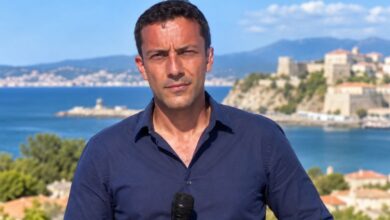
Eamon Dunphy is one of Ireland’s most recognisable football personalities, known for his professional playing career, fearless journalism and outspoken television commentary. From his early days as a young footballer in Dublin to becoming a prominent sports broadcaster, he has built a reputation for challenging established opinions and speaking openly about football, politics and society. His years at Millwall, his work alongside respected analysts such as Liam Brady and his success as an author have made him an influential figure in Irish media. His career extends far beyond the football pitch, reflecting a remarkable journey through sport, journalism and broadcasting.
Quick Bio of Eamon Dunphy
| Details | Information |
|---|---|
| Full name | Eamon Martin Dunphy |
| Date of birth | 3 August 1945 |
| Age | 81 years (as of 2026) |
| Birthplace | Dublin, Ireland |
| Nationality | Irish |
| Profession | Former footballer, journalist, broadcaster, author |
| Playing position | Midfielder |
| Former clubs | Manchester United, York City, Millwall, Charlton Athletic, Reading, Shamrock Rovers |
| International team | Republic of Ireland |
| International caps | 23 |
| Spouse | Jane Grugan |
| Previous spouse | Sandra |
| Children | Colette and Tim |
| Famous book | Only a Game? |
| Known for | Football punditry, journalism and broadcasting |
Who Is Eamon Dunphy?
Eamon Martin Dunphy is a former Irish professional footballer, sports journalist, television pundit and author who became widely recognised for his honest and often controversial opinions. Born on 3 August 1945 in Dublin, he grew up in a working-class neighbourhood where football played an important role in everyday life.
His interest in the sport developed at an early age, and he joined the Stella Maris football club before moving to England as a teenager. He joined Manchester United in 1962, beginning a professional journey that would take him to several English clubs and eventually back to Ireland.
Although his playing career was respectable, his achievements as a journalist and broadcaster brought him even greater public recognition. He became particularly well known for his outspoken analysis of football matches, managers and players, earning both admiration and criticism throughout his career.
Early Life and Football Beginnings
Growing up in Drumcondra, Dublin, Dunphy developed a passion for football in an environment where the sport was an important part of community life. His early performances at Stella Maris demonstrated his potential and helped him attract the attention of professional clubs.
In 1962, he moved to England to join Manchester United as a young apprentice. The experience exposed him to the demands of professional football and provided an opportunity to develop his technical skills and tactical understanding.
However, breaking into Manchester United’s senior team proved difficult. He eventually moved to York City in 1965, where he gained valuable first-team experience. This move marked the beginning of a long professional career that would include several important clubs and memorable achievements.
Eamon Dunphy’s Career at Millwall
Millwall was arguably the most significant club in Dunphy’s football career. He joined the London-based team in 1965 and remained there until 1974, becoming an established midfielder and an important member of the squad.
During his time at the club, he made 274 league appearances and scored 24 goals. He was part of the Millwall side remembered for its strong performances in the 1970–71 season, when the club narrowly missed promotion to the First Division.
His experiences at Millwall later inspired his acclaimed book, Only a Game?, which offered an honest account of the realities of professional football. Rather than presenting the sport as glamorous, the book explored the pressures, uncertainties, relationships and personal challenges faced by players.
The years he spent at Millwall helped shape his understanding of football and later influenced his distinctive approach to sports journalism.
Playing for Charlton Athletic, Reading and Shamrock Rovers
After leaving Millwall, Dunphy continued his career with Charlton Athletic and Reading. These experiences allowed him to work in different football environments and further develop his knowledge of the professional game.
In 1977, he returned to Ireland to join Shamrock Rovers, where he played under the management of John Giles. The move brought his career back to his home country and gave him an opportunity to contribute to Irish domestic football.
He won an FAI Cup medal with Shamrock Rovers in 1978 before retiring from professional football. His playing career had given him a valuable foundation for his next professional chapter in journalism and broadcasting.
International Career with the Republic of Ireland
Dunphy represented the Republic of Ireland national football team between 1965 and 1971, earning 23 international caps. Playing as a midfielder, he was part of a generation that helped develop Irish football’s presence on the international stage.
Although his international career did not bring major tournament success, representing his country was an important achievement. His experience in English football provided valuable insight into the demands of international competition and contributed to his later reputation as a knowledgeable football analyst.
Transition from Footballer to Journalist
After retiring from professional football, Dunphy began building a career in journalism. His first-hand experience of dressing-room culture, professional expectations and the financial realities of football gave his writing a distinctive perspective.
His work as a newspaper columnist and football writer gradually established him as a prominent voice in Irish sports media. He was willing to question conventional football opinions and examine issues that other commentators sometimes avoided.
His writing was not limited to match reports. He explored the personalities, politics and commercial pressures surrounding professional football, bringing a critical perspective that distinguished him from traditional sports journalists.
Television Career and Partnership with Liam Brady
Dunphy became a familiar face on Irish television through his long association with RTÉ, where he worked as a football analyst for several decades. His coverage of major international tournaments and club competitions made him one of the country’s most recognisable pundits.
He frequently appeared alongside former Irish footballers Johnny Giles and Liam Brady. Their discussions became popular for their contrasting perspectives, detailed football knowledge and willingness to disagree openly.
Liam Brady, a celebrated former Arsenal and Juventus midfielder, brought considerable tactical insight to their analysis. Dunphy’s direct style added energy to their discussions, creating a distinctive combination that appealed to football audiences.
His commentary was often controversial, particularly when he criticised high-profile managers, players or football organisations. However, his confidence in expressing his views helped establish his reputation as an influential broadcaster.
He left RTÉ in 2018, concluding a significant period in Irish sports television.
Radio Career and The Stand Podcast
Beyond television, Dunphy developed a successful career in radio. He presented The Last Word, a current affairs programme that allowed him to explore subjects beyond football, including politics, culture and social issues.
He also worked with Newstalk and RTÉ Radio 1, interviewing public figures and discussing important developments in Irish society. His broadcasting style remained direct and conversational, often encouraging lively debates.
Later, he became associated with The Stand, his podcast and media platform, through which he continued to discuss football, politics and current affairs. The programme provided an alternative space for longer conversations and interviews, extending his influence beyond traditional television and radio.
Books and Writing Achievements
Dunphy has enjoyed considerable success as an author, writing about football, music and prominent personalities. His work reflects his interest in understanding the people and institutions behind public achievements.
His best-known book, Only a Game?, is widely associated with his experiences at Millwall. It examines the less glamorous aspects of professional football, including insecurity, competition and the personal sacrifices required to pursue a sporting career.
Other notable works include Unforgettable Fire: The Story of U2, which explores the rise of the Irish rock band, and A Strange Kind of Glory, a biography of Manchester United manager Matt Busby.
He also collaborated with Roy Keane on Keane: The Autobiography, helping bring the former footballer’s story to readers. His own memoir, The Rocky Road, offers further insight into his life, professional experiences and personal reflections.
Personal Life, Wife and Children
Despite his outspoken public personality, Dunphy has generally maintained a relatively private family life. He was previously married to Sandra, with whom he has two children, Colette and Tim.
He later married Jane Grugan, a former RTÉ editor, in 2009. Their relationship has received some media attention, although Dunphy has largely kept details of his private life away from public discussion.
His family has remained an important part of his life alongside his demanding career in football, journalism and broadcasting. He is also a grandfather, although he tends to avoid discussing extensive personal details in interviews.
Controversies and Outspoken Opinions
Dunphy’s willingness to challenge popular opinions has frequently placed him at the centre of controversy. He has openly criticised football managers, players and administrators, sometimes creating disagreements that attracted considerable media attention.
His disputes with former Republic of Ireland manager Jack Charlton were particularly notable. Dunphy questioned aspects of Charlton’s football philosophy and approach to managing the national team, creating a public debate about the direction of Irish football.
His reputation for outspoken commentary has also led to comparisons with other opinionated British and Irish journalists, including Rod Liddle. Although they have distinct careers and professional backgrounds, both are known for expressing strong views on public affairs.
Dunphy’s media career has also sometimes led to confusion with other well-known broadcasters, such as Eamonn Holmes. Despite their similar first names and experience in broadcasting, they have pursued different professional paths.
Eamon Dunphy’s Net Worth and Legacy
Dunphy’s exact net worth has not been reliably disclosed. His decades-long career in professional football, television, radio, journalism and publishing have provided several sources of income, but online estimates should be treated with caution.
His influence on Irish media extends beyond his achievements as a football pundit. He helped bring more challenging and personality-driven analysis to sports broadcasting, while his books provided an alternative perspective on the realities of professional football.
Today, his career is remembered for its combination of sporting experience, journalism and fearless commentary. For readers interested in Irish football and broadcasting, his journey offers an example of how a professional athlete can successfully establish a second career in the media.
Conclusion
Eamon Dunphy’s journey from a young footballer in Dublin to a respected and sometimes controversial media personality reflects decades of dedication to sport and journalism. His playing years at Millwall, international appearances for Ireland, influential books and long broadcasting career have secured his place in Irish sporting history. His outspoken personality has occasionally divided opinion, but his contribution to football analysis and public discussion remains significant. At Insider Newz, his story stands as an interesting example of how sporting experience can develop into a lasting career in journalism, broadcasting and literature.