Moving a warehouse sounds straightforward on paper, but anyone who’s been through one knows it quickly becomes a balancing act. There really isn’t much room for standing still, and that’s why many contractors and project managers turn to forklift rental Melbourne services.
Bringing in extra lifting capacity for a short period helps keep the relocation moving without the commitment of buying more equipment. A well-planned hire can save time, improve safety, and help keep costs under control.
Every Warehouse Move Has Different Demands
No two warehouse relocations follow the same playbook. One business might be moving a few aisles of stock across town, while another is relocating an entire distribution centre with hundreds of pallet positions. The building layout, access points, ceiling height, and relocation schedule all shape the equipment needed for the job.
Using only the forklifts already on site can sound practical at first. But those machines may still be needed for receiving deliveries, loading trucks, or supporting production. Pulling them away from daily work can slow everything down, and that’s the last thing anyone wants during a move.
Extra forklifts give businesses the breathing room to tackle relocation tasks without stretching existing resources too thin. Common reasons extra equipment proves worthwhile include:
- Larger inventory volumes than usual
- Multiple loading and unloading zones operating at once
- Tight relocation deadlines with little room for delays
- Limited access areas that require different forklift types
Extra Equipment Without Long-Term Commitment
A warehouse relocation is temporary by nature. It might run for several days or a few weeks, but eventually the move is finished and operations settle into the new site. Buying another forklift for such a short window often doesn’t stack up financially.
Forklift rental allows businesses to increase lifting capacity only for as long as it’s needed. Once the relocation wraps up, the equipment goes back instead of sitting idle in the corner of the warehouse. That flexibility helps businesses put their budget where it matters most while still having the right equipment available at the busiest point of the project.
Reducing Disruption to Daily Operations
Relocating a warehouse doesn’t usually mean the business closes its doors for a week. Customers still expect deliveries, suppliers keep arriving, and production schedules don’t really pause just because a new building is waiting around the corner.
Having additional forklifts available allows one team to focus on relocating stock, shelving, and equipment while another continues handling normal warehouse activity. That separation truly makes a difference. Loading docks stay active, incoming freight keeps moving, and warehouse staff aren’t constantly switching between everyday jobs and relocation duties.
The result is a smoother workflow with fewer bottlenecks. There’s less waiting around for equipment to become available, and that often helps the entire relocation stay on schedule. As the saying goes, many hands make light work, and the same idea applies to having enough lifting equipment available at the right time.
Choosing the Right Forklift for the Job
Not every forklift is designed for the same environment, and that’s especially true during a warehouse relocation. Some stages involve working inside narrow aisles, while others require lifting heavier loads outdoors or reaching high racking before it’s dismantled or reassembled. Choosing equipment that suits each task improves efficiency and helps operators work more safely.
- Electric forklifts are well-suited to indoor warehouse aisles and enclosed spaces thanks to their quiet operation and zero exhaust emissions.
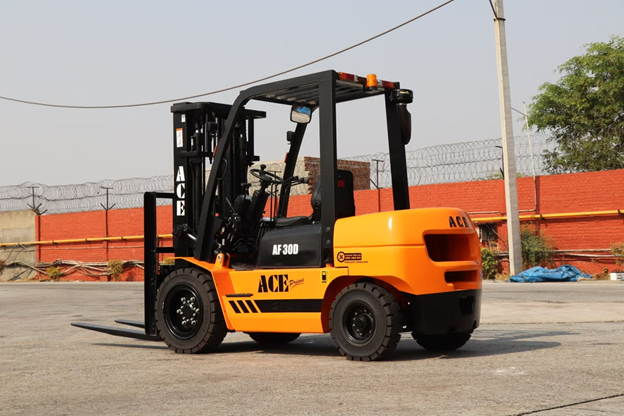
- LPG or diesel forklifts are often the better choice for heavier outdoor lifting where extra power is needed.
- High-reach forklifts make handling tall racking much easier before dismantling or after installation, reducing unnecessary manual handling.
Every relocation brings its own challenges, so it’s worth discussing the project with an equipment provider beforehand. A quick conversation about the site, timeline, and loads being moved can help identify the most suitable forklifts for every stage of the relocation.
Conclusion: Forklift Rental is the Way to Go for Warehouse Relocation
Warehouse relocations place unusual demands on people, equipment, and schedules, even if the project only lasts a short time. Forklift rental gives businesses the flexibility to increase lifting capacity, keep everyday operations running and avoid investing in machinery that may only be needed briefly. With the right forklifts available exactly when they’re required, moving to a new warehouse becomes more organised and much less stressful.