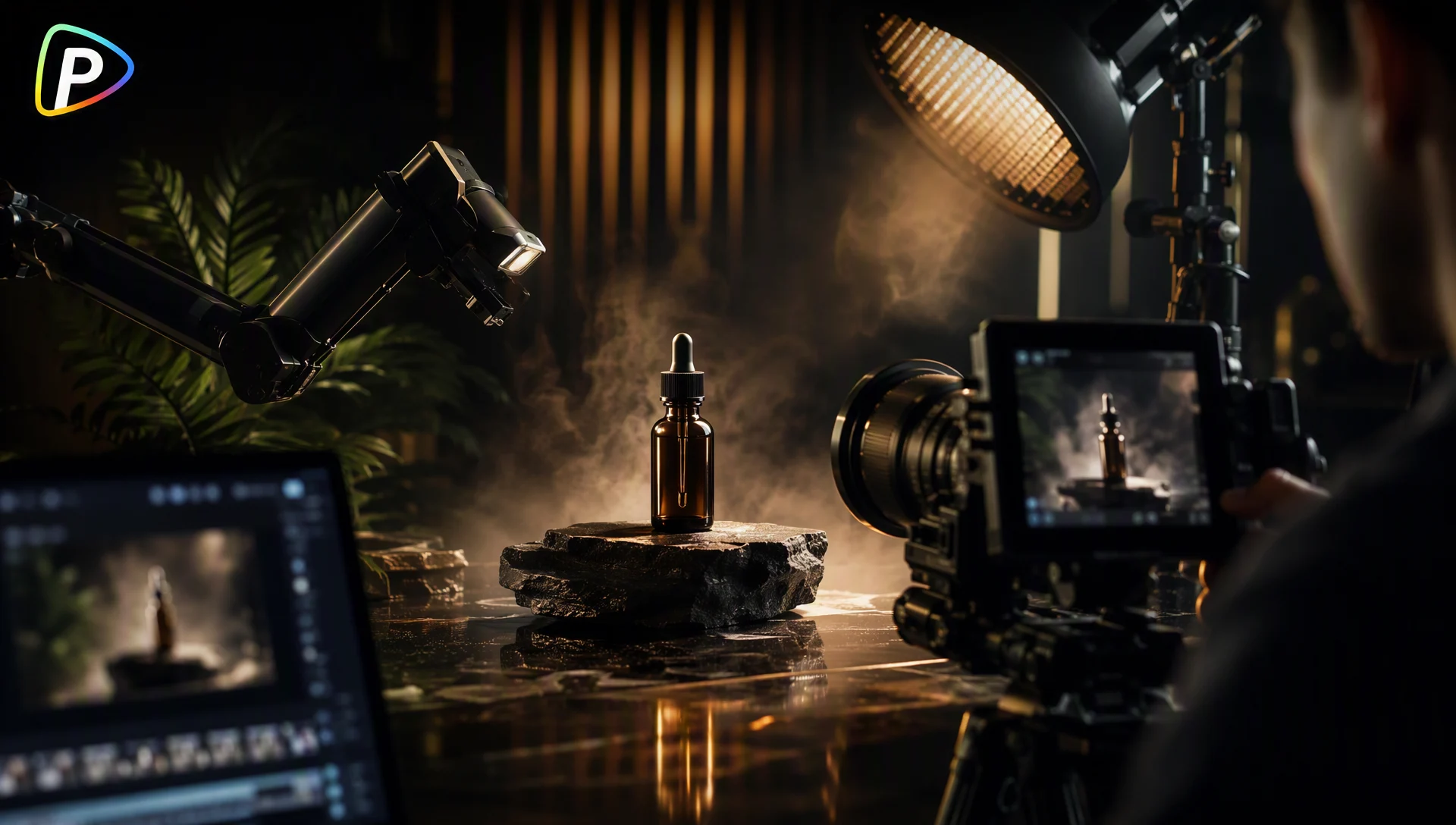
A product photo can look great and still make a boring video. Without camera movement, depth, or a sense of atmosphere, it often feels more like a moving catalog image than a real commercial.
That is where MiniMax Hailuo AI can help. Instead of filming a product from scratch, creators can start with an existing image and turn it into a short cinematic shot. On Pollo AI, this works well for product teasers, launch clips, and social ads when there is little or no original footage.
Why Try MiniMax Hailuo AI on Pollo AI?
A cinematic product video needs more than a moving image. The product should stay clear while the camera and setting add depth.
Image-to-video lets creators turn an existing product photo into a short clip. A perfume bottle can stay still as the camera moves closer, while a sneaker can be shown through a low tracking shot.
Camera controls such as zooms, pans, tilts, and tracking shots help shape these scenes. This gives creators more control over how the product is revealed instead of leaving every movement to the model.
When product details matter, subject references can provide extra visual guidance. Start and end frame controls are useful for planned transitions, such as moving from a product box to a final hero shot.
Using Hailuo AI on Pollo AI also means creators can try other video models and creative tools on the same platform when a different look is needed.
How to Create a Cinematic Product Video with MiniMax Hailuo AI on Pollo AI

1. Choose the Right Product Image
First, decide what the shot is supposed to show. A perfume might need a premium hero shot, while sneakers may work better with a dramatic low-angle scene.
Then open MiniMax Hailuo AI on Pollo AI and choose the image-to-video workflow.
Use an image where the product is clearly visible. Avoid busy backgrounds, heavy cropping, or hands covering important details. The cleaner the starting image, the easier it is to build a focused shot around it.
2. Write the Prompt Like a Shot List
Skip vague prompts such as “make this product cinematic.” Describe what the camera should actually see.
For example:
A luxury perfume bottle sits on dark marble. The camera slowly pushes in from a low angle while soft mist moves in the background. Warm light catches the glass edges. Premium cinematic commercial, realistic movement.
The word “cinematic” matters less than the actual camera direction. Keep it simple. One clear camera move is usually better than asking for a zoom, rotation, pan, and product movement all at once.
3. Let the Camera Move, Not Everything Else
This is an easy way to get cleaner product shots.
Keep the product mostly still and let the camera or background create the movement. A watch can stay on the table while the camera tracks across its face. A skincare bottle can remain fixed while steam or light moves around it.
If the product starts changing shape, remove some of the action from the prompt. More motion does not always mean a better result.
4. Use References When Product Details Matter
Some products are simply less forgiving. A phone, watch, bottle, or branded package may have shapes and details that need to stay recognizable.
For these shots, subject references can give MiniMax Hailuo AI more visual information about the product. Start and end frame controls can also help when a shot needs a specific opening and closing position.
For example, a product launch clip could start with a closed box and end with the product standing alone in a clean hero shot.
5. Create Several Short Shots
Trying to generate an entire commercial in one clip usually creates unnecessary problems.
Instead, give each shot one job. One shot can reveal the product, another can show a detail, and the final one can act as the hero shot.
This is also easier to fix. If the second shot looks wrong, only that shot needs to be regenerated.
Product Scenes That Fit This Workflow
MiniMax Hailuo AI works particularly well when camera movement carries the scene.
A fragrance brand could use a slow push through soft mist. A jewelry brand could use a close tracking shot across a ring. A sneaker brand could place the product in a street setting and use a low camera move to add energy.
For lifestyle products, the environment can provide subtle motion. A coffee machine could sit in a bright kitchen while morning light changes across the scene. A skincare bottle could be surrounded by water droplets or soft steam.
The trick is not to pile on effects. Give the product one strong visual moment.
Final Thoughts
Good cinematic product videos do not need complicated prompts or endless effects. They need a clear product, a believable setting, and a camera move that makes sense.
MiniMax Hailuo AI on Pollo AI is useful for this workflow because creators can start with an existing product image, control the camera direction, use references when consistency matters, and build shots with clearer start and end points.
For brands without original footage, that can be enough to turn a static product image into something that feels much closer to a real product shoot.




