
Night-time incontinence care needs a different approach because the body behaves differently during sleep. Bladder control changes, body position shifts, and the conditions a product has to handle are very different from those during the day.
The problem is that it’s easy to reach for a higher-absorbency version of your daytime pad and hope for the best. But more absorbency alone doesn’t handle a leak that runs backward once someone’s lying flat. It also doesn’t protect skin that stays wet for hours before anyone’s awake to notice.
This article explores why overnight leakage is different from daytime leakage and what those differences mean when choosing the right protection. We’ll also cover what to look for in overnight care, with practical guidance from Ontex Healthcare.
Let’s get started.
Overnight Protection Has to Last Longer
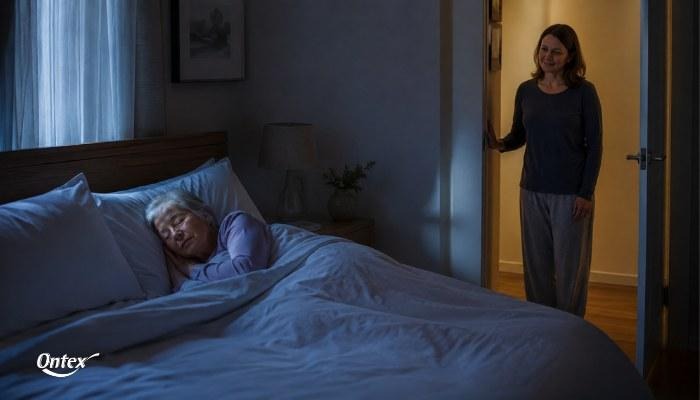
From what we’ve seen, most people change their daytime pad every 3 to 4 hours. Overnight, that same product has to last 7 to 9 hours in bed, often without a single change.
That longer stretch changes what the product needs to deliver. It has to keep absorbing, contain moisture, and stay effective for hours after the first wetting. That means you should judge overnight protection by how well it performs over time rather than how much it can hold at once.
Lying Down Changes Leakage Patterns
Overnight leaks don’t always happen because a pad has reached its absorbency limit. Body position also changes where urine travels (and for the most part, your posture determines your morning after).
When you’re standing or sitting, gravity pulls urine downward, and daytime products typically catch it there. But once you lie down, urine can spread sideways or toward the lower back, particularly during movement or long periods in one position.
Plus, daytime pads may offer less coverage across the back and sides, which can leave those areas exposed. That’s why overnight protection needs wider coverage to account for where leaks actually travel at night.
The Goal Is to Avoid Waking the Person
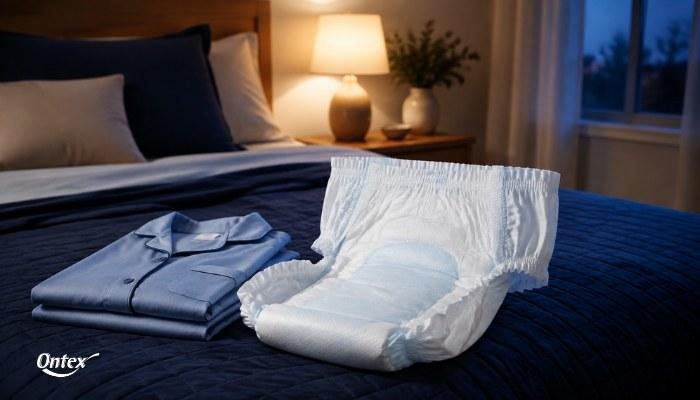
You wake up because you’ve leaked. Now you have to get out of bed, change your protection, deal with the bedding, and try to fall asleep again. If someone helps with your care, you’ve probably woken them too. Basically, a containable problem has now disrupted everyone’s sleep.
That’s why good overnight protection isn’t just about how much it can absorb. It should give you the best chance of staying protected without needing to wake up and deal with a leak.
Bottom Line: The right product won’t prevent every change or bathroom trip, but it can reduce the ones that don’t need to happen.
Wetness Can Go Unnoticed for Longer
During the day, a leak gets noticed quickly because you’re awake and aware of how you feel.
At night, you’re asleep and much less likely to notice what’s happening. A leak at midnight might not be noticed until the alarm goes off six hours later. By then, the skin has been against moisture for far longer than it would be during the day.
That prolonged contact can trigger symptoms like redness, irritation, and skin breakdown, all of which affect health over time. Overnight protection needs to draw moisture away from the skin and help keep the area drier for the rest of the night.
Getting Up at Night Creates Another Risk
Frequent trips to the toilet (also known as nocturnal enuresis) carry their own risk, especially in the dark or for people with limited mobility.
A University of Alabama at Birmingham included more than 690 older adults for a three year study. It found that those getting up to urinate three or more times a night faced a 28% higher risk of a fall in that time.
Ultimately, reliable overnight protection cuts down how often someone needs to get up, so the risk of a fall at night reduces along with it.
Overnight Care May Involve Sleeping Caregivers
Overnight incontinence care often isn’t a solo job. Partners, family members, or care staff may need to check in, change protection, or deal with leaks in the middle of the night.
When a product doesn’t hold, that disruption spreads to everyone involved, rather than just the person wearing it
Overnight-specific protection can reduce the need for unnecessary checks or changes, which gives caregivers a better chance of getting through the night without interruption. And better rest makes the following day easier for carers and family members alike.
What to Look for in Overnight Incontinence Protection
Once you understand what makes overnight care different, you can be more selective about what you choose. Here are the features worth looking for:
- Absorbency and Extended Wear: Total capacity is important, but so is how well the product continues to manage moisture over several hours. So opt for extended overnight wear products rather than simply selecting the highest absorbency available.
- Coverage and Fit: Overnight leaks can travel toward the back and sides, so the product needs enough coverage to catch them. You should also check that the fit stays secure as you move in your sleep. Otherwise, a gap opens at the leg or waistband and urine leaks straight onto sheets or clothing.
- Skin Protection: Prolonged contact with urine can leave skin damp and irritated during overnight wear. Breathable, moisture-wicking materials help draw moisture away from the skin, which can keep the area drier and more comfortable through the night.
- Odour Control: A product that stays on for 8 or 9 hours should manage odour for that full duration. The Lille Suprem Light Maxi Night, for example, includes integrated odour control technology that neutralises unwanted smells as they develop.
When comparing products, we suggest checking whether they specifically target overnight wear rather than being adapted from a daytime range. That way, you’re choosing protection built around the conditions you actually face at night.
Making Night-Time Incontinence Care Easier
Night-time incontinence care isn’t the same as daytime management. Longer wear times, different leakage patterns and reduced awareness while asleep all change what the protection needs to handle.
Once you know what to look for, choosing overnight protection becomes easier. The right absorbency, fit and coverage can help reduce leaks and overnight disruption for the person and their carers alike.
If you’re comparing overnight options, Ontex Healthcare offers products including the iD and Lille ranges. And if incontinence regularly disrupts sleep or affects daily life, speak with a healthcare professional to explore possible underlying causes.