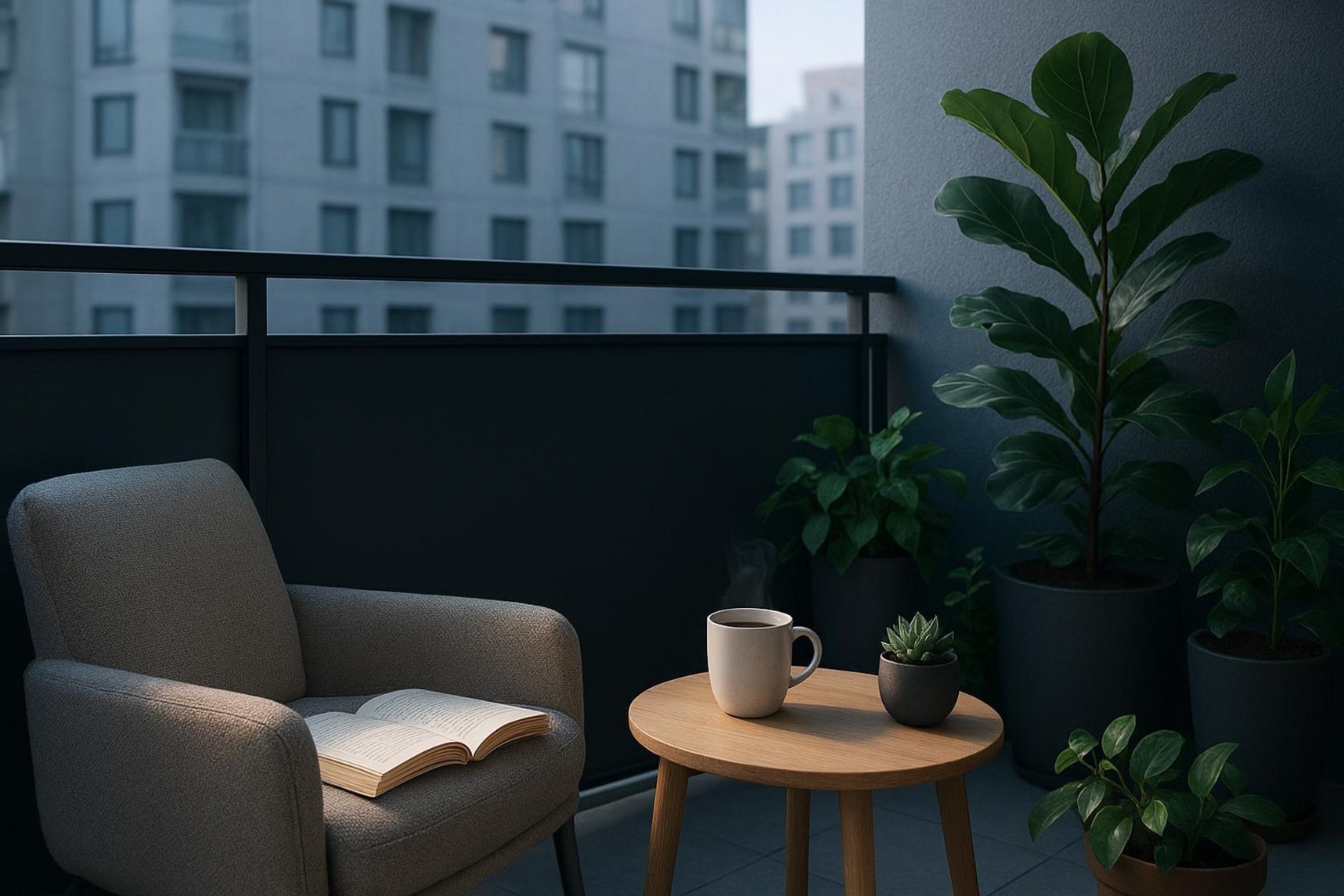
In crowded cities, a balcony can feel like a small but valuable piece of outdoor calm. But it can stop feeling relaxing if you have no privacy or if strong sunlight hits it all day. So how do you make your balcony feel private and comfortable again? Custom HDPE balcony screens are a practical answer. These screens give strong privacy and solid UV protection, so you can use your balcony without feeling watched or getting too much sun. They work well for many homes because they are useful, long-lasting, and can also look great.
If you want something that fits your exact balcony size and matches your style, an HDPE balcony privacy screen made to measure from Shade4You is a strong option. These screens are not standard, one-size items. They are made to fit your railings and layout so the result looks neat and sits properly with fewer gaps.
Whether you live on a busy street in London or in a quiet suburb, a custom HDPE screen helps you sit outside in peace, with less sun and fewer curious looks.
What Are Custom HDPE Balcony Screens?
Custom HDPE balcony screens are outdoor barriers made to improve privacy and comfort on a balcony, while also improving how the space looks. Compared to basic screens, they offer better fit and more reliable performance because they are made for your balcony.
Definition and Material Composition
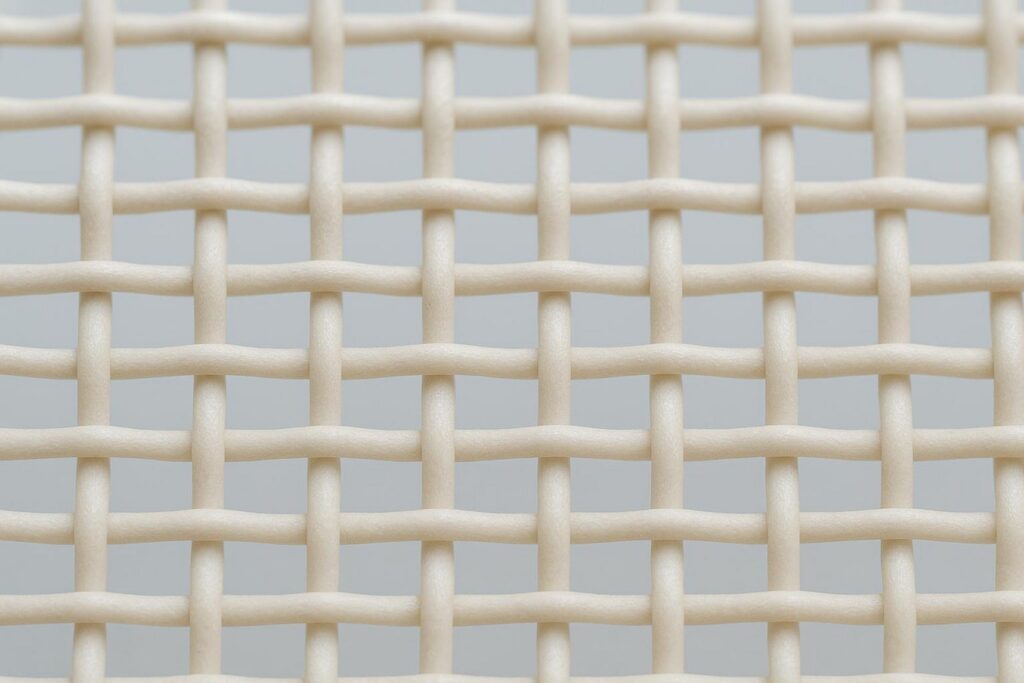
HDPE means High-Density Polyethylene. It is a plastic known for being strong, flexible, and long-lasting. When it is made into a woven mesh, it works very well as an outdoor privacy screen. HDPE mesh blocks visibility to help create a more private area, while still letting air pass through. This airflow matters because it reduces wind pressure on the screen. It also helps your balcony feel less stuffy, even in warm weather.
HDPE is also good at handling UV rays, moisture, and mildew. It holds up well in the sun and is less likely to fade or break down over time. Since it does not absorb water, it dries fast after rain. That helps reduce mold and mildew and makes cleaning easier.
How Customization Meets Different Balcony Needs
The real benefit comes from the “custom” part. Balconies come in many shapes and sizes, with different railings and building styles. A custom HDPE screen is made to match your measurements, so it fits closely and looks more finished. This means you don’t have to deal with screens that are too short, too loose, or leave open areas.
If your balcony has an unusual shape, a special height, or you want a certain look, you can choose a screen that matches those needs. A better fit usually means better privacy and better sun protection. It can also make your balcony look like a natural part of your home instead of an add-on.
Main Features and Benefits of Custom HDPE Balcony Screens
Custom HDPE balcony screens are popular because they solve several common balcony problems at once. They help you use your outdoor space more often and with less hassle.
Privacy Without Sacrificing Light or Airflow
Privacy is one of the biggest reasons people add balcony screens. HDPE mesh blocks the view from neighbors and people passing by. At the same time, it is not a solid wall, so air can still move through it. You get privacy without feeling closed in. Because air passes through the mesh, the screen also handles wind better and puts less strain on balcony railings.
UV Protection for Health and Furniture Preservation
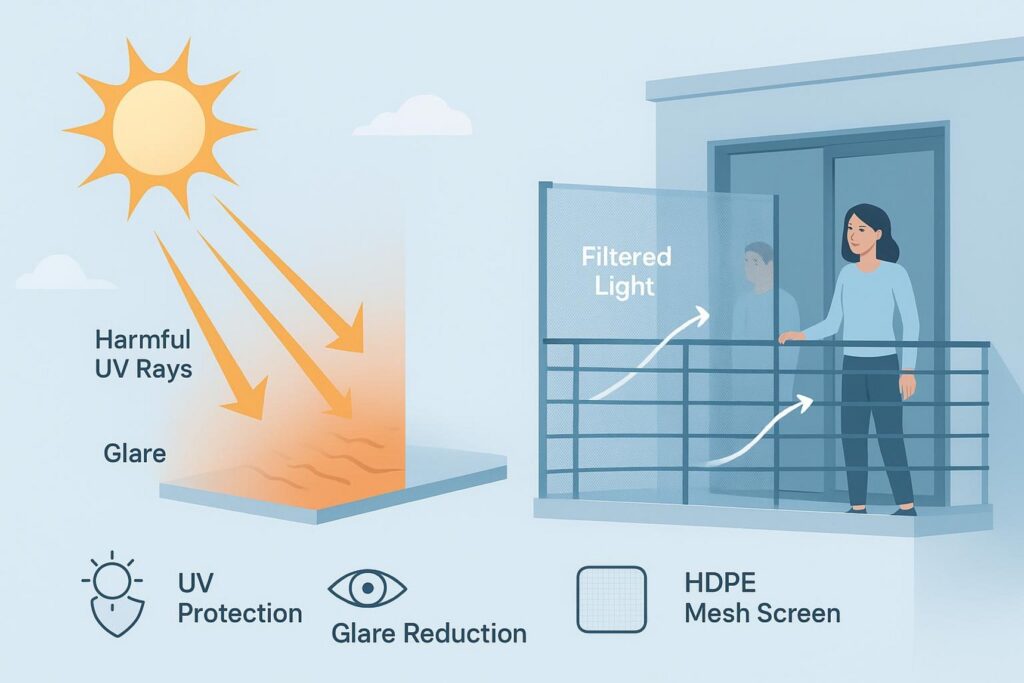
Sunlight can be pleasant, but too much UV is harmful. HDPE screens help block UV rays, which can reduce sunburn risk and long-term skin damage. They also help protect balcony furniture, floors, cushions, and plants from fading and wear. Less direct sun can help items last longer, which can save money over time.
Weatherproof and Fade-Resistant Properties
Outdoor weather can be rough, but HDPE is made for outdoor use. It handles strong sun, rain, and even snow well. It is less likely to crack, tear, or fade quickly. This kind of weather resistance means fewer replacements and fewer worries through the year.
Design Versatility and Color Choices
HDPE screens can look good as well as work well. They come in different colors and patterns, so you can pick something that matches your balcony and the outside of your home. If you want a clean modern look or something more subtle, there are options that can fit your style.
Security and Increased Outdoor Use
These screens can also help you feel safer. They add a barrier that makes the balcony less open and less visible, which can discourage unwanted attention. With more privacy and better protection from sun and weather, many people use their balcony more often-whether for coffee in the morning, reading, or having friends over.
Why Choose Custom HDPE Balcony Screens for Privacy and UV Protection?
If privacy and sunlight are your main issues, HDPE screens stand out because they are made to handle both problems well.
Privacy Enhancement for Urban and Residential Spaces
In busy areas, balconies often face other buildings or streets where people can easily look in. Custom HDPE balcony screens, such as those made to measure by Shade4You, help block these sightlines so you can relax without feeling exposed. This can also reduce distractions from outside and make the balcony feel more calm and personal. It helps you take back your space and use it more comfortably.
How HDPE Screens Block Harmful UV Rays
High-density polyethylene is made to resist UV exposure. HDPE mesh can filter a large amount of UV-A and UV-B rays. This helps protect your health and also helps protect items on your balcony from early fading and aging. Furniture, cushions, and decking can keep their color and condition longer.
Reduction of Glare and Improved Comfort
HDPE screens also reduce glare by softening strong sunlight. This is helpful when the sun is high and the balcony gets too bright. With less glare, it is easier to read, relax, or use a laptop outside. The shade can also help keep the balcony area cooler, and it may reduce heat entering indoor rooms near the balcony.
Comparing HDPE with Other Balcony Screen Materials
There are many materials used for balcony privacy screens, such as metal, vinyl, composite, bamboo, fabric, and even plants. Each one has pros and cons, but HDPE often offers a good balance for balcony use.
HDPE vs. Metal, Fabric, and Composite Screens
Metal panels (like aluminum or steel) can look modern and handle impact well. But if they are not coated correctly, they can rust, and they often block airflow unless they have holes. They can also cost more and may need extra care to prevent rust. Fabric screens can be cheaper and come in many colors, but they often fade faster and can wear out in bad weather.
Composite and vinyl can imitate wood or stone and usually resist insects and rot, but they often allow less airflow, which may be a problem in windy places or on balconies where fresh air matters.
Durability and Weather Resistance
HDPE mesh lasts well because it resists UV, moisture, fading, and cracking. It works well in many climates, including hot, humid, or rainy areas. Metal can be strong, but it can rust in coastal or damp environments. Bamboo and fabric usually break down faster and often need replacing sooner. Plant-based screens can look great, but they take time to grow and need ongoing care.
Aesthetics and Customization Options
HDPE mesh often suits modern homes, and it comes in many colors and patterns. Because it can be made to your exact size, it usually looks cleaner and more built-in. Metal can feel more industrial. Vinyl and composite can copy natural materials. Bamboo has a natural look but fewer style options. Fabric can add color, but it may not keep a clean look for as long because it can fade and wear.
Maintenance and Lifespan
HDPE screens are low-maintenance. Usually, you just rinse them or wash them with mild soap. You do not need to paint or seal them. Metal may need rust care. Bamboo and fabric often need replacing more often. Plant screens need trimming, watering, and regular attention. Because HDPE needs less work, it often offers strong long-term value.
How to Select the Right Custom HDPE Balcony Screen
To pick the right custom HDPE balcony screen, focus on fit, privacy level, style, and long-term value.
Measuring for a Perfect Fit
Accurate measurements are the base of a true custom screen. Measure the length and height of the area you want to cover. Include posts, railing shapes, and anything else that may affect how the screen sits. Many suppliers (including Shade4You) provide instructions or support so you can measure correctly. A precise fit helps the screen look neat and work better.
Choosing the Optimal Opacity and Weave
HDPE screens come in different weave densities, which affects privacy, light, and airflow. A tighter weave usually gives more privacy but may reduce light and airflow a bit. A more open weave still gives privacy but lets in more light and air. Think about what matters most for you: maximum privacy, or a lighter and airier feel. If possible, check product descriptions or samples to see the difference.
Selecting Colors and Style for Your Space
Color matters because it changes how your balcony looks. HDPE screens come in neutral shades like beige, grey, and black, and also stronger colors. Consider your building color, furniture, and the mood you want. A matching color blends in. A bold color can stand out as a design feature. The weave look can also change the style-some screens look smoother while others show the woven texture more clearly.
Budget Considerations and Value
Custom products can cost more at the start than basic, standard screens. But HDPE often lasts much longer than fabric and needs less replacement. When planning your budget, think about lifespan, low upkeep, and how well it performs for privacy and sun protection. Compare the full value over time, not just the first price you pay.
Installation Guide for Balcony HDPE Screens
Custom HDPE balcony screens are usually simple to install. Many homeowners can do it themselves and still get a clean result.
Preparation and Essential Tools
Before starting, gather what you need. A custom HDPE screen package often includes the screen, zip ties (often 50 or more ties, around 15 cm long), and instructions. You may also need scissors or wire cutters to trim zip ties, a measuring tape to check placement, and a soft cloth for quick cleaning. Make sure the railing or balcony edge is clean so nothing blocks attachment.
Step-by-Step Installation Instructions
Installation is usually quick. Unroll the HDPE screen and place it along the railing where you want coverage. Many screens have anti-corrosion aluminum grommets along the edges for fastening. Start at one end and attach a zip tie through a grommet and around the railing. Do not tighten fully yet-leave it loose so you can adjust.
Keep attaching along the top, bottom, and sides using the grommets. As you go, pull the screen gently so it sits flat and does not sag. After the screen is positioned correctly, tighten all zip ties firmly. Cut off extra zip tie length for a tidy look. As Nuria wrote on August 25, 2024: “Very easy to install, and absolutely nothing is transparent.” Miller, reviewing on December 9, 2023, also advised: “Installing is very easy, just be sure to keep your cable ties a little loose until you have it exactly where you want, then tighten.”
Safety Precautions and Best Practices
Put safety first. If you need a ladder, use a stable one. Avoid installing on very windy days because the screen can catch the wind and become hard to control. Wear gloves if needed, especially when cutting zip ties. Check that all ties are tight so the screen does not loosen later. If your setup is large or tricky, getting help can make the job safer and easier.
When to Consider Professional Installation
Many people can install HDPE screens on their own, but professional help can make sense in some cases. If your balcony design is unusual, if it is very high, or if you want extra-secure fastening for a business property, a professional installer can help. For larger projects, professional work can also help with clean alignment and any local rules. If you are unsure, ask the supplier for advice.
Caring for and Maintaining HDPE Balcony Screens
Custom HDPE balcony screens are easy to care for. They are made to handle outdoor conditions, so you do not need to spend much time maintaining them.
Routine Cleaning Methods
Cleaning an HDPE screen is simple. Because it resists mold and mildew and does not soak up water, it does not stain easily. A rinse with a garden hose often removes dust and pollen. For heavier dirt, use mild soap and water with a soft brush or cloth, then rinse well. Avoid strong chemicals, rough cleaners, or stiff brushes, since these may damage the material or its UV layer. Laura R., in a February 2, 2024 review, mentioned the “very sturdy material” and expected it to last a long time, which supports the idea that it handles normal use and cleaning well.
Inspecting for Damage or Wear
HDPE screens last a long time, but quick checks now and then help. Look for small tears, frayed edges, or loose grommets. Check the zip ties or straps to make sure they are still secure and not brittle. Fixing small issues early can stop bigger problems later and helps the screen keep working well.
Seasonal Storage and Longevity Tips
If you live in an area with very harsh winters or extreme storms, seasonal storage can help if your screen is removable. Take it down carefully, clean it, then roll or fold it and store it in a dry place away from direct sun and extreme temperatures. If your screen stays up all year, cleaning it and checking the fasteners before severe weather is usually enough. HDPE does not need painting or sealing, which makes it easier to maintain than many other outdoor materials.
Making the Most of Your Outdoor Space with HDPE Balcony Screens
Custom HDPE balcony screens do more than solve privacy and sun issues. They help turn a balcony into a space you actually want to use.
Creating a Private Outdoor Retreat
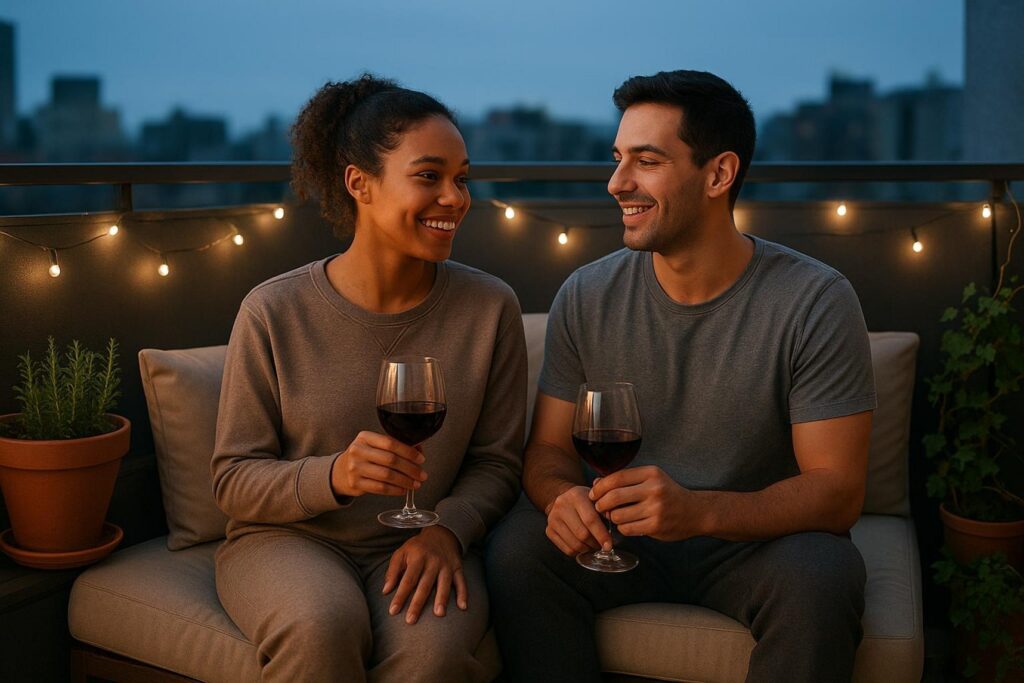
Stepping onto a balcony feels better when you are not on display. HDPE screens help create a private area where you can relax, have coffee, read, or just get fresh air without outside attention. They reduce visual distractions and make the space feel more personal. Kevin H., in his January 7, 2024 review, said the product “provides a decent amount of privacy from the busy street below.”
Enhancing Aesthetics and Curb Appeal
A balcony screen can also improve how your home looks from the outside. With custom sizing and many color options, HDPE screens can match your home’s exterior and create a clean, finished look. They can make a plain balcony look more modern and organized. This can improve your own enjoyment and also make your home look more attractive to visitors and potential buyers.
Improving Balcony Use in All Seasons
Because HDPE is weather-resistant, you can often use your balcony more months of the year. In summer, UV protection and reduced glare make the space more comfortable. In cooler or windy weather, the screen can act as a light windbreak, even though it does not fully enclose the area. This helps you get more use from your balcony, even when the weather changes.
Frequently Asked Questions about Custom HDPE Balcony Screens
Here are answers to common questions about custom HDPE balcony screens.
Can HDPE Screens Withstand Strong Winds and Rain?
Yes. HDPE balcony screens are made for different weather conditions, including wind and rain. The mesh lets air pass through, which reduces wind pressure and lowers the chance of tearing. The material also does not absorb water, so it dries quickly and is less likely to develop mildew, even in damp climates.
How Long Do HDPE Balcony Screens Last?
With basic care, custom HDPE balcony screens can last for many years. UV resistance helps prevent fading and brittleness. Moisture resistance helps stop mildew and breakdown. Compared with bamboo or fabric, HDPE usually keeps its strength and color much longer.
Are Custom HDPE Screens Suitable for Commercial Properties?
Yes. Custom HDPE screens work well for homes and businesses. Hotels, restaurants with outdoor seating, and office buildings can use them for privacy, glare reduction, and a cleaner look. Low maintenance and long lifespan are also helpful in commercial spaces.
Do HDPE Screens Impact Balcony Ventilation?
No. HDPE mesh is made to let air flow through. Unlike solid panels, it does not block ventilation, so the balcony stays more comfortable. This airflow also helps reduce wind pressure on the screen in strong breezes.