Travel Trailer Fridge Repair: A Complete Guide to Troubleshooting, Maintenance, and Common Fixes

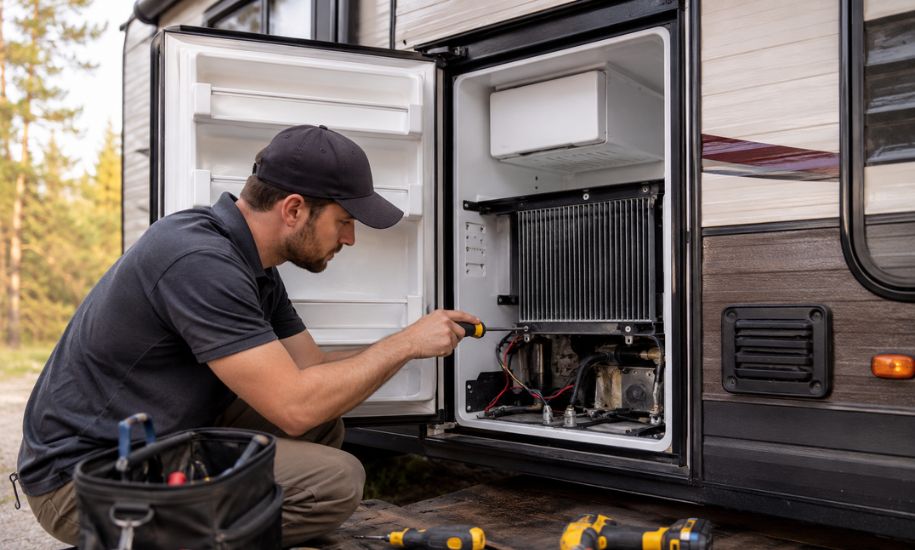
A reliable refrigerator is one of the most important appliances in any travel trailer. Whether you’re heading out for a weekend camping trip or embarking on a cross-country adventure, a properly functioning fridge keeps food fresh, beverages cold, and your travel experience comfortable. However, like any appliance, RV refrigerators can develop problems over time. Understanding travel trailer fridge repair can help you diagnose issues early, save money on repairs, and extend the life of your refrigerator.
In this comprehensive guide, we’ll explore the most common travel trailer refrigerator problems, troubleshooting techniques, repair options, maintenance tips, and when it’s time to replace your unit.
Understanding How a Travel Trailer Refrigerator Works
Unlike residential refrigerators, many travel trailer refrigerators operate using an absorption cooling system. These units can run on propane, electricity, or both, making them ideal for camping locations without electrical hookups.
Modern travel trailers may also feature compressor-style refrigerators that operate primarily on 12-volt power. While these refrigerators function similarly to household models, absorption refrigerators remain common due to their versatility.
Knowing which type of refrigerator your travel trailer uses is the first step toward effective troubleshooting and repair.
Common Travel Trailer Fridge Problems
Travel trailer refrigerators can experience various issues. Some are simple to fix, while others may require professional assistance.
Fridge Not Cooling Properly
One of the most frequent complaints among RV owners is a refrigerator that runs but fails to cool effectively.
Possible causes include:
- Dirty condenser coils
- Blocked ventilation
- Faulty thermistor
- Defective thermostat
- Low propane pressure
- Cooling unit failure
- Operating while the trailer is unlevel
Absorption refrigerators rely on gravity to circulate cooling fluids. If the trailer remains unlevel for extended periods, cooling performance may decrease significantly.
Refrigerator Won’t Turn On
If your fridge refuses to start, check the following:
- Blown fuses
- Tripped circuit breakers
- Battery voltage
- Shore power connection
- Faulty control board
- Damaged wiring
Many RV refrigerators require adequate 12-volt power even when operating on propane. A weak battery can prevent proper operation.
Freezer Works but Refrigerator Doesn’t
This issue often confuses travel trailer owners. If the freezer remains cold while the refrigerator compartment becomes warm, the problem may involve:
- Airflow restrictions
- Faulty thermistor
- Blocked cooling fins
- Improper temperature settings
The freezer section typically receives cooling first, making refrigerator compartment issues more noticeable.
Fridge Works on Electric but Not Propane
When your refrigerator functions correctly on shore power but fails on propane, potential causes include:
- Dirty burner assembly
- Blocked gas lines
- Faulty igniter
- Low propane pressure
- Defective gas valve
Regular cleaning of the burner area often resolves propane-related issues.
Fridge Works on Propane but Not Electric
Electrical failures can result from:
- Burned-out heating elements
- Faulty control boards
- Damaged electrical connections
- Tripped breakers
Testing electrical components may require a multimeter and basic electrical knowledge.
Warning Signs Your Travel Trailer Fridge Needs Repair
Early detection can prevent expensive repairs. Watch for these warning signs:
Unusual Noises
While some operational sounds are normal, loud buzzing, clicking, or humming noises may indicate mechanical problems.
Water Leaks
Water pooling inside or around the refrigerator could result from:
- Clogged drain tubes
- Damaged door seals
- Excessive condensation
Ignoring leaks may lead to mold growth and water damage.
Strong Odors
A burning smell may indicate electrical problems, while ammonia odors often suggest cooling unit failure. Ammonia leaks are particularly serious and require immediate attention.
Inconsistent Temperatures
If food spoils quickly or temperatures fluctuate significantly, the refrigerator may require servicing.
Error Codes
Modern refrigerators often display error messages that help identify specific problems. Consult your owner’s manual for troubleshooting guidance.
DIY Travel Trailer Fridge Repair Steps
Before calling a technician, several troubleshooting procedures can be performed safely.
Step 1: Verify Power Supply
Check:
- Battery voltage
- Shore power connection
- Fuses
- Circuit breakers
A simple power issue is often responsible for refrigerator failures.
Step 2: Ensure Proper Leveling
Absorption refrigerators perform best when the trailer is level. Use leveling blocks or jacks to maintain proper positioning.
Step 3: Inspect Ventilation Areas
Exterior refrigerator vents should remain free of debris, leaves, dust, and insect nests.
Restricted airflow can dramatically reduce cooling performance.
Step 4: Clean Condenser Coils
Dirty coils reduce efficiency and force the refrigerator to work harder.
Use:
- Soft brush
- Compressed air
- Vacuum cleaner
Regular cleaning improves performance and extends appliance lifespan.
Step 5: Examine Door Seals
Damaged door gaskets allow cold air to escape.
Look for:
- Cracks
- Gaps
- Warping
- Loose sections
Replacing worn seals can restore cooling efficiency.
Step 6: Inspect the Burner Assembly
For propane refrigerators:
- Turn off propane supply
- Remove burner cover
- Clean debris and rust
- Verify proper flame appearance
A clean blue flame indicates efficient operation.
Step 7: Test the Thermistor
The thermistor monitors internal temperature.
Signs of failure include:
- Freezing food
- Warm refrigerator compartment
- Temperature fluctuations
Replacement is often inexpensive and straightforward.
Dometic Travel Trailer Fridge Repair
Dometic refrigerators are among the most popular RV refrigerator brands.
Common Dometic issues include:
Thermistor Problems
A faulty thermistor often causes cooling inconsistencies.
Cooling Unit Failure
Symptoms may include:
- Poor cooling
- Ammonia smell
- Yellow residue around cooling components
Ignition Problems
Propane ignition systems occasionally fail due to dirty electrodes or burner assemblies.
Control Board Issues
Modern Dometic refrigerators rely on electronic control boards that can malfunction because of power surges or age-related wear.
Norcold Travel Trailer Fridge Repair
Norcold is another leading RV refrigerator manufacturer.
Frequent Norcold problems include:
Error Codes
Norcold refrigerators display diagnostic codes that simplify troubleshooting.
Cooling Unit Damage
Over time, cooling units can develop internal blockages or leaks.
Electrical Failures
Control boards, wiring, and heating elements occasionally require replacement.
Temperature Regulation Issues
Improper temperature control may result from faulty sensors or damaged thermistors.
Travel Trailer Fridge Maintenance Tips
Preventive maintenance remains the most effective way to avoid costly repairs.
Clean Vents Regularly
Check vents every few months and remove dust, dirt, and insect nests.
Inspect Door Seals
Good seals maintain temperature and reduce energy consumption.
Defrost When Necessary
Ice buildup reduces cooling efficiency.
Defrost whenever frost exceeds one-quarter inch thickness.
Keep Coils Clean
Annual coil cleaning helps maximize refrigerator performance.
Monitor Battery Health
Low battery voltage affects refrigerator operation.
Regularly test and maintain your RV batteries.
Service Propane Components
Annual inspection of propane burners and gas lines improves safety and performance.
Travel Trailer Fridge Repair Costs
Repair expenses vary depending on the issue and refrigerator model.
Typical repair costs include:
Repair TypeEstimated CostThermistor Replacement$20–$100Door Seal Replacement$50–$200Heating Element Repair$100–$300Burner Assembly Service$100–$250Control Board Replacement$200–$600Cooling Unit Replacement$800–$2,000Complete Refrigerator Replacement$1,500–$4,000+
Labor charges may increase costs significantly, especially if the refrigerator must be removed from the trailer.
When to Call a Professional
While many maintenance tasks can be handled by owners, certain problems require expert assistance.
Seek professional help if you notice:
- Ammonia leaks
- Electrical burning smells
- Cooling unit failure
- Major wiring issues
- Gas system malfunctions
- Persistent error codes
Attempting advanced repairs without proper training may create safety hazards.
Repair vs. Replace: Which Option Makes Sense?
Sometimes replacement is more economical than repair.
Consider replacement when:
- The refrigerator is over 15 years old.
- Cooling unit replacement exceeds half the cost of a new refrigerator.
- Multiple major components have failed.
- Replacement parts are difficult to obtain.
Newer refrigerators often offer improved energy efficiency, better cooling performance, and advanced features that enhance the overall camping experience.
Final Thoughts
Travel trailer fridge repair doesn’t always require expensive service calls. Many common problems can be diagnosed and resolved through routine maintenance, basic troubleshooting, and careful inspection. Understanding how your refrigerator operates allows you to identify issues early, prevent major breakdowns, and keep your travel adventures running smoothly.
Whether you own a Dometic, Norcold, or another RV refrigerator brand, regular maintenance remains the key to reliable performance. By keeping vents clean, monitoring power systems, inspecting seals, and servicing propane components, you can significantly extend the life of your refrigerator.
For more helpful guides, travel trailer maintenance tips, and RV ownership resources, continue exploring articles on Insider Newz, where we regularly share practical advice for travelers, campers, and outdoor enthusiasts.