Precision Engineers Slash Stainless Steel Laser Cutting Waste by 30% with Smart Design and Material Choices

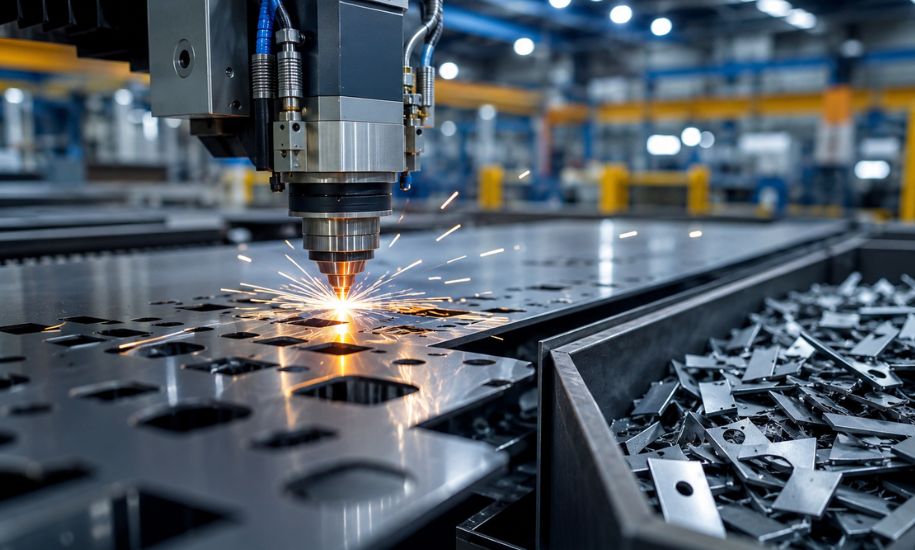
Modern manufacturing is under constant pressure to produce high-quality components while keeping costs and environmental impact under control. As industries demand greater precision and faster production, engineers are finding innovative ways to maximize efficiency without compromising performance. One of the most significant advancements in recent years is the ability to reduce stainless steel laser cutting waste through smarter design practices and better material selection. By combining advanced software, optimized manufacturing techniques, and thoughtful engineering decisions, precision engineering teams are helping businesses improve productivity while making manufacturing more sustainable.
What Is Precision Engineering?
Precision engineering is the discipline of designing and manufacturing components with extremely tight tolerances and exceptional accuracy. It plays a critical role in industries where even the smallest measurement error can affect product quality, safety, or performance.
These professionals use advanced technologies such as CAD software, CNC machinery, fiber laser systems, and automated inspection tools to create parts that meet demanding specifications. Their work supports everything from aircraft engines and medical instruments to consumer electronics and industrial equipment.
As manufacturing technologies continue to evolve, precision engineers are becoming increasingly involved in improving production efficiency alongside product quality.
Why Stainless Steel Remains a Preferred Material
Stainless steel continues to be one of the most widely used materials across manufacturing because it offers an excellent balance of durability, corrosion resistance, strength, and appearance. It performs well in harsh environments while maintaining its structural integrity over many years.
Common applications include:
- Medical equipment
- Food processing machinery
- Automotive components
- Aerospace assemblies
- Construction hardware
- Marine equipment
Its recyclability also makes it an environmentally responsible choice for manufacturers looking to reduce waste and improve sustainability.
The Hidden Cost of Material Waste
Although laser cutting is known for its accuracy, poor planning during the design stage can lead to unnecessary material loss. Every unused section of stainless steel increases production costs and reduces overall efficiency.
Several factors contribute to excessive waste, including:
- Inefficient component layouts
- Unnecessary design complexity
- Incorrect material thickness
- Poor nesting arrangements
- Excessive cutting paths
- Additional finishing requirements
When these issues accumulate across large production runs, manufacturers may lose a significant percentage of valuable raw material.
How Smart Design Improves Manufacturing Efficiency
One of the most effective ways to reduce waste begins long before production starts. Engineers carefully evaluate component geometry during the design phase to eliminate unnecessary features that increase cutting time or consume additional material.
Simple improvements may include:
- Standardizing hole sizes
- Removing unnecessary sharp corners
- Simplifying internal cut-outs
- Optimizing part dimensions
- Reducing excessive tolerances where appropriate
These adjustments often result in faster manufacturing, lower material consumption, and improved production consistency.
Design for Manufacturing Makes a Difference
Design for Manufacturing (DFM) has become an essential strategy for modern engineering teams. Instead of focusing solely on the appearance or function of a product, DFM considers how easily and efficiently each component can be manufactured.
This approach encourages collaboration between designers and production specialists before manufacturing begins.
The benefits include:
- Lower production costs
- Shorter lead times
- Fewer manufacturing errors
- Reduced scrap rates
- Improved product consistency
By considering manufacturing limitations early in development, companies avoid expensive revisions later in production.
Choosing the Right Stainless Steel
Selecting the appropriate stainless steel grade is another important factor in reducing waste. Different projects require different combinations of strength, corrosion resistance, machinability, and cost.
For example:
- Grade 304 is commonly used for general industrial applications.
- Grade 316 offers superior corrosion resistance for marine and chemical environments.
- Grade 430 provides a cost-effective option for less demanding applications.
Using thicker or more expensive material than necessary increases both costs and waste. Careful material selection ensures that every project achieves the required performance without unnecessary expense.
Fiber Laser Cutting Delivers Better Results
Fiber laser technology has transformed sheet metal fabrication by delivering faster cutting speeds, cleaner edges, and greater precision than many traditional cutting methods.
Its advantages include:
- High cutting accuracy
- Narrow cutting width
- Reduced heat distortion
- Lower energy consumption
- Minimal finishing requirements
- Faster production cycles
These improvements allow manufacturers to produce more parts from each sheet while reducing the amount of unusable scrap generated during production.
Intelligent Nesting Maximizes Every Sheet
Modern nesting software uses advanced algorithms to arrange components as efficiently as possible across each sheet of stainless steel.
Instead of leaving large unused gaps between parts, the software positions them closely together while maintaining required cutting clearances.
Benefits include:
- Improved material utilization
- Reduced off-cut waste
- Higher production output
- Lower raw material purchases
- More consistent manufacturing costs
For high-volume manufacturers, optimized nesting can contribute significantly to achieving waste reductions approaching 30 percent.
Sustainability Through Better Engineering
Reducing waste is not only beneficial for profitability but also supports environmental responsibility. Every kilogram of stainless steel saved represents lower demand for raw materials, reduced transportation emissions, and less industrial waste.
Sustainable manufacturing practices also include:
- Recycling stainless steel scrap
- Improving machine energy efficiency
- Minimizing production defects
- Extending product lifespan
- Optimizing factory workflows
As environmental regulations become more demanding, efficient engineering practices help manufacturers remain competitive while supporting long-term sustainability goals.
Industries Benefiting from Advanced Manufacturing
Many sectors rely on highly accurate stainless steel components produced through modern fabrication techniques.
These include:
- Aerospace
- Automotive
- Medical technology
- Pharmaceutical manufacturing
- Food processing
- Electronics
- Renewable energy
- Defense
- Industrial automation
Each industry depends on consistent quality, making precision engineering an essential part of today’s manufacturing landscape.
The Future of Precision Engineering
The next generation of manufacturing will combine artificial intelligence, automation, robotics, and real-time production monitoring to improve efficiency even further.
Emerging technologies are expected to provide:
- AI-assisted design optimization
- Predictive maintenance
- Automated quality inspection
- Digital twin simulation
- Smart factory integration
- Advanced production analytics
These innovations will enable engineering teams to identify waste before production begins, optimize machine performance continuously, and deliver even greater manufacturing precision.
Conclusion
Manufacturing is evolving rapidly, and success increasingly depends on combining technical expertise with intelligent production strategies. From optimized CAD designs and efficient nesting software to careful material selection and advanced fiber laser systems, today’s precision engineers are demonstrating that substantial reductions in stainless steel waste are achievable without sacrificing quality. These improvements lower production costs, enhance sustainability, and strengthen competitiveness across multiple industries. As manufacturing continues to embrace digital technologies and smarter engineering practices, precision engineering will remain at the forefront of efficient, high-quality production. For more insightful articles covering manufacturing innovations, technology, and industry trends, visit Insider Newz.