Restoring historic facades in New York City is much more than a basic repair. It is a careful balance between keeping the building’s history and making it work for today. These projects come with many hard problems, like following strict preservation rules, matching old materials, finding hidden damage, and dealing with weather and pollution. This kind of work takes real skill, time, and respect for the building’s original design.
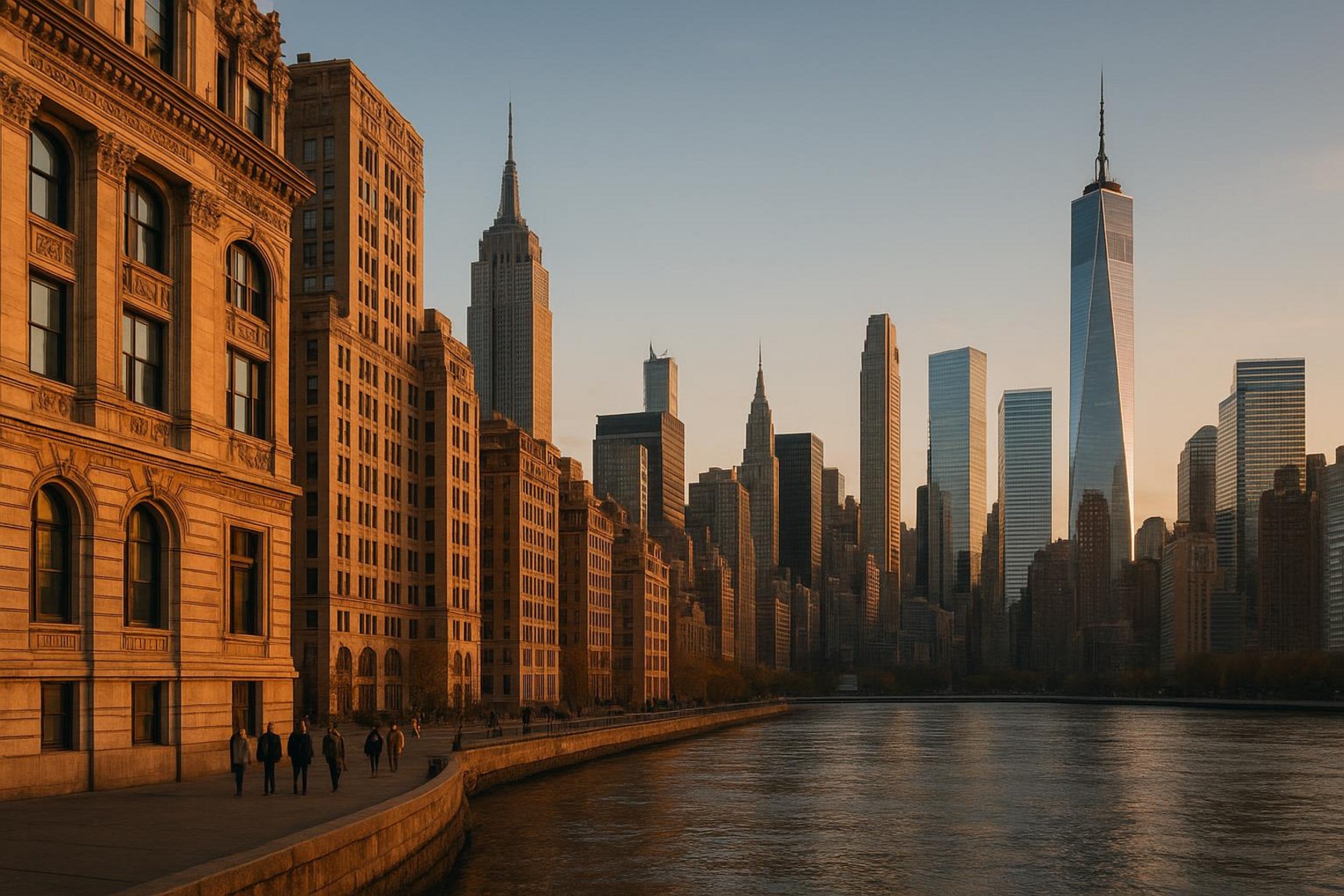
New York City’s skyline shows off layers of history and design. From detailed pre-war buildings in Brooklyn Heights to large stone buildings in Midtown, these facades help define the city. But even the most beautiful exterior wears down over time because of bad weather and daily city life. That is why expert facade restoration in New York City is so important.
What Makes Historic Facade Restoration Unique in New York City?
Defining Historic Facades and Landmark Status
In New York City, owning or living in a landmark building can feel special, but it also brings extra rules. Historic facades are more than the “outside skin” of a building. They hold decades (and sometimes centuries) of craft, culture, and design. The city’s Landmarks Preservation Commission (LPC) was created under the Landmarks Law in 1965, after public anger over the demolition of Pennsylvania Railroad Station. The LPC can label buildings as landmarks if they are at least 30 years old and have “a special character or special historical or aesthetic interest or value.”
There are over 31,000 landmark properties, most of them inside 111 historic districts across the five boroughs (with many in Manhattan). These facades are strongly protected. The LPC mainly focuses on the outside of the building and checks that any work keeps the original look and character. Once a building is landmarked, the facade is no longer treated as simple decoration-it becomes a protected part of the city’s history, and that affects every repair decision.
Common Architectural Styles and Materials in NYC
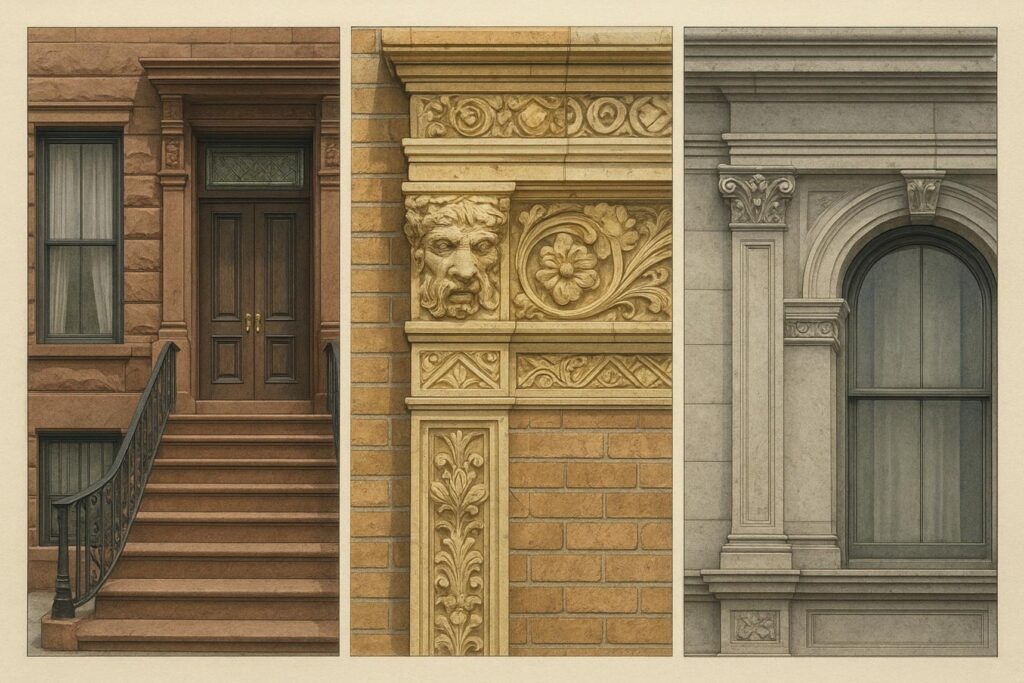
New York City has a wide mix of building styles, old and new. That means restoration work is never one-size-fits-all. Many historic buildings, including the famous brownstones in places like Brooklyn Heights, Harlem, and the Upper West Side, are known for stone fronts and detailed design. You often see decorative moldings, hand-carved parts, and special cornices. Common materials include brick, stone (such as limestone), terracotta, and certain types of mortar.
A big issue is that many older buildings were built with methods and materials that are not common today. Brick, mortar, and stone from the early 1900s (or earlier) can be very different in size, texture, color, and makeup compared to modern products. That means crews need special knowledge to keep the work both accurate and safe for the building.
Why Preserving Original Façades Matters to the City
Keeping original facades in New York City is about more than looks. It protects shared history and keeps a connection to neighborhoods. These buildings are physical reminders of how the city grew, the skills builders had, and the lives people lived. Restoring and reusing these buildings helps keep those stories alive, even as the city changes fast.
Facade restoration also supports sustainability. Fixing and reusing a building usually creates less waste than tearing it down and rebuilding. It can lower the carbon impact tied to new construction. It also extends the building’s life, improves safety by fixing weak points, and can raise property value. A strong, well-kept historic facade supports neighborhood identity and can help with property values and tenant happiness, which makes it a smart long-term investment for New York.
What Are the Main Challenges of Restoring Historic Facades in New York City?
Navigating Landmark Preservation Laws and Compliance
Working on a landmark building in New York City means dealing with the LPC and its strict rules. As Wayne Bellet, owner of Bellet Construction Company, said: “You think you own your building…but you don’t. It belongs to the city.” The LPC can control what changes are allowed and what repair methods can be used. Because of this, landmark work often takes much longer than similar work on non-landmark buildings, and it needs careful planning.
The job usually needs a team with real landmark experience: architects, engineers, and contractors who have handled many historic projects (often at least five landmark jobs) and who know how the LPC works. The architect prepares detailed drawings that spell out the full scope of work. The LPC also asks for mockups or samples of each material, including mortar color and stone texture. If samples are not approved, the job can pause. As one architect noted, even a small difference in color can cause a delay of four months.
Matching Historic Materials and Craftsmanship
One of the hardest parts of facade restoration is matching the original materials. Brick, mortar, and stone from long ago can have unique sizes, textures, colors, and chemical makeup that modern versions do not match. Using the wrong replacement can look bad, and it can also create long-term building problems. Masonry repair is not only about appearance-it also affects how moisture moves through the wall and whether the building can “breathe.”
Craft skill is another major issue. Many historic facades include detailed parts made by hand. Fixing or copying them may require skilled artisans. A made-to-match replacement piece-like a copy of a 100-year-old cornice-can take weeks or months to produce. Because the LPC expects repairs to look like the original, contractors must find close matches from limited sources or hire craftspeople who can create new pieces that blend in smoothly.
Uncovering Hidden Structural and Masonry Damage
Many historic buildings look solid from the street, but they can hide serious damage. Water leaks, settling foundations, and long periods of poor upkeep can cause problems that are not visible at first. Once work starts, crews may find damage that changes the full scope of the project, along with the schedule and the cost.
Common issues in older NYC buildings include weak load-bearing walls, failing chimneys, worn parapets, and large areas of failing masonry. If these problems are ignored, small defects can turn into safety risks that threaten the whole building. That is why a full structural review is a key first step, so repairs can fix the real problems-not just the surface.
Protecting Unique Architectural Details and Ornamentation
Decorative features-like special brick patterns, carved stone, cornices, and window surrounds-give historic facades their identity. But these details are also easy to damage. Bad old repairs, harsh cleaning, and years of weather can wear them down. In some cases, earlier renovations removed or changed details, which makes accurate restoration much harder.
The goal is to bring back these features without causing more harm. This can mean studying old drawings and photos, and using preservation methods that are gentle and exact. Work may include rebuilding damaged arches, matching old masonry patterns, and for metal pieces like brass, keeping as much of the original surface color and aging as possible. The challenge is to restore the look while also helping the details last longer.
Managing Moisture, Weathering, and Pollution Effects
New York City’s weather and environment are tough on facades. The city has cold winters and humid summers, which makes masonry expand and shrink again and again. Freeze-thaw cycles are especially damaging to stone. Water enters tiny cracks, freezes, expands, and slowly breaks the material apart. This can lead to spalling and surface loss.
Pollution adds another layer of damage. Car exhaust, dust, and other airborne pollutants cause dark stains and discoloration. Winter road salt can soak into stone and cause flaking and breakdown. Shaded areas and humid spots also allow mold, algae, and moss to grow. Good restoration needs strong moisture control, like breathable sealers and modern waterproofing systems, so the building is protected without trapping moisture inside the walls.
Overcoming Issues from Improper Past Repairs
Many historic facades in NYC suffer because of bad repairs done years ago. This is common with brownstones and older masonry. For example, modern cement-based mortar used on old masonry can trap moisture. Old buildings were meant to release moisture, and when they cannot, the surrounding brick or stone can break down faster. Past cleaning using harsh chemicals can also permanently damage historic surfaces.
Fixing these problems often means removing the wrong materials and replacing them with safer, historically suitable methods. This takes knowledge of older building practices and how materials behave over time. Restoration contractors such as Nova Construction Services approach this through mortar and stone analysis and in-kind replacement, including sculpted brownstone reconstruction. The goal is to make repairs that match the look of the building and also work well with the original wall system, so damage does not continue.
Addressing Energy Efficiency and System Upgrades
Historic character matters, but modern needs also matter. Many older buildings lack insulation, efficient windows, and modern HVAC systems. Adding electrical, plumbing, and heating/cooling updates without harming the building’s historic look can be difficult.
Often the best approach is to use low-impact methods. Crews may route wiring and plumbing in ways that avoid major demolition, install hidden ductwork, or use wireless controls for lighting. Energy improvements may include windows that match the original style but perform better, plus discreet insulation where possible. This kind of work needs close teamwork between preservation specialists and engineers.
Operating Within Budget and Timeline Constraints
Historic facade restoration in New York City usually costs more and takes longer than standard construction. Specialized materials, skilled labor, research time, and the long LPC approval process all raise costs. Architect Howard Zimmerman has estimated that landmark work often costs about 15-20% more than similar non-landmark work. Delays from sourcing materials or waiting for approvals can quickly increase total costs.
Because many replacement parts must be custom-made, items like a 100-year-old cornice copy can take weeks or months. The LPC also requires mockups and samples, and a small mismatch-like a slightly different shade-can cause major delays. Building owners are often told to start the approval process early, ideally in January through March, to avoid busy-season scheduling pressure and possible price increases.
How Do NYC Regulations and Landmark Approvals Impact Restoration?
Role of the NYC Landmarks Preservation Commission
The NYC Landmarks Preservation Commission (LPC) is the main agency that protects the city’s architectural history. It started in 1965 after the public pushed for stronger preservation, especially after major losses like Pennsylvania Railroad Station. Its job is to identify and protect buildings, districts, and sites that matter to the city’s history and culture. Once a property is landmarked, the LPC sets and enforces rules about how it must be maintained.
With over 31,000 landmark properties, the LPC has a wide reach, especially because it focuses mainly on building exteriors. Its rules help prevent changes that would weaken the city’s character. That means restoration projects often involve ongoing back-and-forth with the LPC and careful attention to details that match the historic design.
Permits, Approvals, and Common Regulatory Hurdles
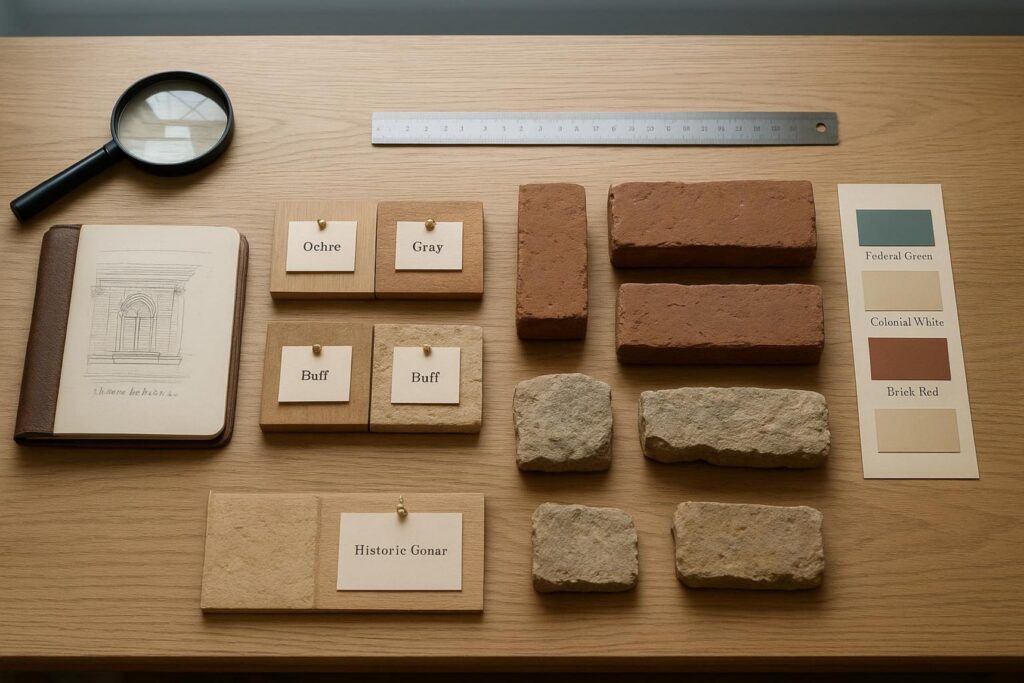
Getting LPC permits and approvals can be a major obstacle. Any exterior work on a landmark building-even small repairs-needs detailed architectural drawings. Landmark review is much more demanding than a normal permit process. The LPC wants mockups or samples of every material that will be used, including mortar color, brick texture, stone type, and even paint or caulk shade. LPC staff can inspect these samples to confirm they match the original intent.
Contractors do not need a special landmark license beyond standard licensing, but they do need experience, trained workers, and suppliers for specialized materials. The LPC may refuse a permit if the contractor is not certified for certain required products. If the project includes replacing a decorative element with a different material for durability, it may require a variance from both the Department of Buildings and the LPC. Engineers may need to support the request, sometimes by showing examples of similar approvals elsewhere. These steps explain why landmark work often takes longer and costs more.
Balancing Historic Character with Modern Code Requirements
Another hard part of restoration is meeting today’s building codes while keeping the historic look. Many historic buildings were built long before modern rules for safety, energy use, and access. Updates to electrical, plumbing, and HVAC systems are often needed, but they must be added in a way that does not harm the building’s appearance.
This usually means working closely with preservation officials to find options that meet both goals. Examples include energy-efficient windows that copy the original style, or hidden routes for new utilities. The goal is to meet safety rules while staying true to the building’s design. Newer policies, like performance-based codes, are also pushing for greener upgrades that still respect historic buildings.
What Are the Most Common Facade Issues Encountered in NYC?
Stone Degradation and Erosion of Decorative Features
Historic stone facades in NYC, especially limestone and terracotta, face constant damage from weather. Stone can wear down over time, and decorative features like cornices, window surrounds, and carvings are often the first to erode. Freeze-thaw cycles in winter cause water to enter small cracks, freeze, expand, and slowly break the stone apart. This leads to spalling, cracking, and material loss.
Salt used in winter can also soak into stone and cause flaking. Because of these combined pressures, stone repair often includes strengthening weak areas and rebuilding worn details so the facade stays safe and still looks correct for its era.
Brick and Masonry Cracking or Spalling
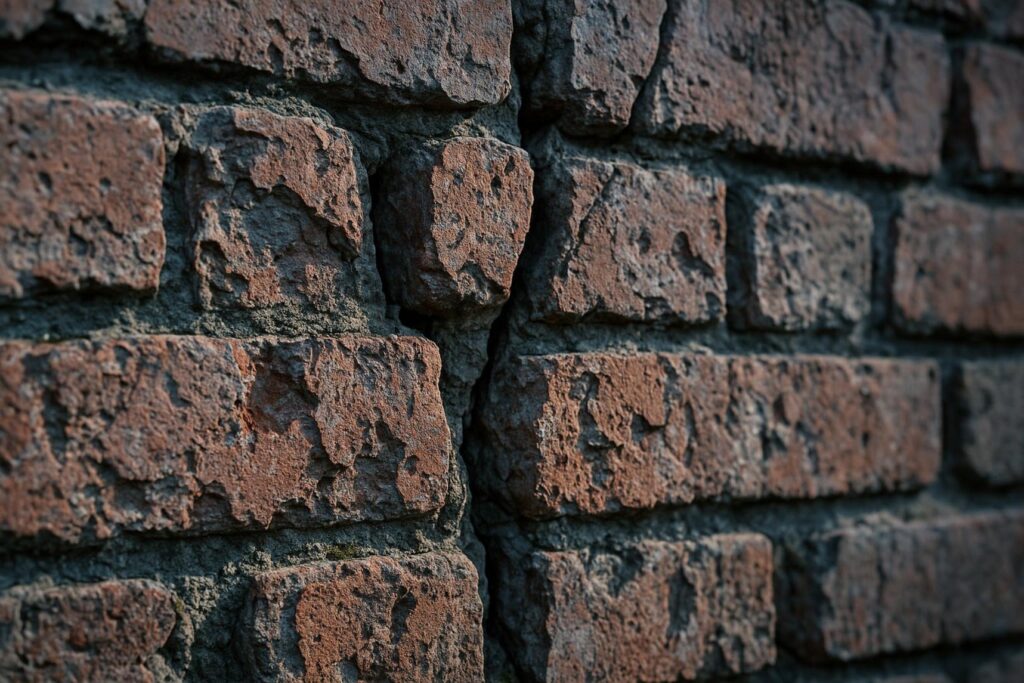
Brick and masonry facades, found all over NYC, often develop cracks and spalling. This can come from old foundations settling, plus constant temperature changes that make materials expand and shrink. Small cracks can grow and let water in, which weakens the wall. Mortar joints often fail first, and that makes water entry even easier.
Spalling happens when the face of the brick breaks off. Moisture enters the brick, freezes, and pushes the surface outward until it flakes away. Fixing this requires skilled masons who can repoint mortar joints, replace damaged bricks, and use materials that match and work well with the existing wall.
Corrosion of Metal Elements
Many historic facades include metal details, like iron balconies, window grilles, brass railings, and tin cornices. Over time, these parts corrode because of moisture, pollution, and salty coastal air. Rust and other damage can weaken the metal and change how it looks.
Metal restoration often needs special methods, different from modern storefront work. The goal is usually to keep as much original surface aging and color as possible. That means avoiding harsh tools and strong cleaners. Instead, crews use gentle cleaning, stop active corrosion, and recreate missing parts when needed so the metal still fits the building’s original style.
Staining from Pollution, Salt, and Biological Growth
NYC’s air leaves many facades stained and dull. Car exhaust, industrial pollutants, dust, and grime can cause dark, uneven discoloration on stone and brick. This affects appearance and can also speed up material wear.
Salt from winter de-icing can create white staining (efflorescence) and damage porous materials. Damp, shaded areas also support mold, algae, and moss, which can stain surfaces green or black and hold moisture against the wall. Effective restoration uses gentle cleaning and targeted treatments that remove staining while protecting the historic material.
Water Intrusion and Freeze-Thaw Damage
Water is often the biggest threat to any facade, and older NYC buildings are especially at risk. Water can enter through worn mortar, cracks, bad flashing, or roof problems. Once behind the facade, it can cause hidden damage like wood rot, rusted anchors, and ruined interior finishes. This can go on for years before it shows on the outside.
Freeze-thaw cycles make it worse. Water inside stone or brick freezes, expands, and can crack or break the material apart. Good restoration focuses on stopping water entry, using proper waterproofing, breathable sealers, and better drainage so moisture does not build up inside the wall.
Which Experts and Teams Are Essential for Successful Facade Restoration?
Specialized Contractors and Preservation Architects
Strong facade restoration in New York City depends on the right team. General contractors with real historic preservation experience handle day-to-day work, manage schedules, and coordinate all trades. They also need strong problem-solving skills because older buildings often reveal surprises, like hidden damage or unusual construction methods, while still meeting strict preservation and permit rules.
Preservation architects are just as important. They help keep the design true to the building’s original look while planning for modern needs. They inspect the site, study the building’s history, and create detailed plans (often using research and 3D modeling). They also guide material matching, advise the owner, and work closely with the LPC and other agencies to get approvals.
Structural Engineers and Material Consultants
Engineers and consultants fill key gaps in the team. Structural engineers check the stability of older buildings and look for issues like weak foundations, worn load-bearing walls, or outdated structural systems. They design ways to reinforce the building safely while keeping changes as hidden as possible.
Material consultants (often called conservationists) focus on historic building materials. They advise on mortar mixes, stone types, and cleaning methods that will not harm the surface. They often help review and test samples like mortar, caulk, and paint so they match the original work and meet LPC expectations. They can also help find authentic materials or guide craftspeople making replacement pieces.
Collaboration with Local Officials and Community Stakeholders
Because landmark buildings involve strict rules and community interest, good communication with local officials and neighborhood groups matters. This includes regular coordination with the LPC. The architect often acts like an expeditor, moving applications through the LPC and Department of Buildings and confirming that drawings and mockups meet requirements. Regular communication can help avoid surprises during permit review.
Community stakeholders-like building boards, co-op and condo groups, and neighborhood preservation organizations-may also have strong opinions about what happens. Clear updates and shared decision-making can reduce conflict and help the project fit both the legal requirements and the neighborhood’s expectations.
Which Restoration Techniques and Solutions Are Used for Historic Facades?
Stone, Terracotta, and Limestone Repair Approaches
Repair methods for stone, terracotta, and limestone facades in NYC are specialized and precise. For cracked stone and spalling areas, experts use patching and repair methods that keep the original look. This often involves repair mortars and infill mixes that match the original material’s makeup, color, and texture. If decorative parts are badly worn or missing, crews may rebuild them, sometimes using newly carved pieces that copy the original shapes.
Terracotta and limestone also need careful handling. Teams may repair damaged areas or replace sections, including making new units that match old patterns and finishes. Some projects also include consolidation, where a strengthening treatment is applied to help protect the surface and slow future damage from moisture.
Cleaning and Waterproofing Historic Surfaces
NYC facades often collect years of grime, pollution, and organic growth, but cleaning must be gentle. Strong chemicals and abrasive methods can permanently damage historic surfaces. That is why crews often use non-acidic cleaning, low-pressure water, steam cleaning, or special poultices that pull stains out of the surface.
Waterproofing is a key part of making the facade last. This may include repointing old mortar joints with a breathable mortar that matches the historic masonry. Moisture control often includes breathable sealers that block water entry while still allowing the wall to release moisture. Targeted treatments can also remove mold, algae, and moss so the facade stays clean and does not hold moisture against the wall.
Restoring or Replicating Unique Architectural Elements
Many historic facades are defined by special features like moldings, carvings, and decorative metalwork. Restoring or copying these details takes high skill and knowledge of older craft methods. Preservation specialists and artisans may repair original pieces when possible or make exact copies using similar materials. This can include rebuilding damaged arches, recreating old masonry patterns, or repairing detailed ironwork.
For metals like brass or bronze, the goal is often to keep the original surface aging rather than stripping it away. Custom replacement parts-such as a copy of a century-old cornice or a matching window surround-can take a long time to produce. The aim is for repairs and replacements to blend in so well that they do not stand out from the original facade.
Upgrading Systems Without Compromising Heritage Value
Historic buildings also need modern systems, but upgrades must be done with care. Electrical, plumbing, and HVAC work is often planned to limit changes to historic fabric. This may include hidden ductwork, careful routing of lines, and wireless lighting controls where they make sense, so the original design is not disturbed.
Energy performance can improve with discreet insulation and better glazing. For example, double-glazed windows may be used if they closely match the original style. Many projects also add greener materials where possible, like recycled wood, low-VOC paints, and efficient lighting. Newer ideas-such as self-healing bio-concrete, phase-change materials, smart glazing, and bio-based insulation-are also being explored to support sustainability without losing historic character.
What Are the Benefits and Long-Term Outcomes of Thoughtful Facade Restoration?
Extending Building Lifespan and Asset Value
Good facade restoration in New York City can add many years to a building’s life and raise its value. By fixing weak structural areas, repairing worn materials, and adding protective measures, restoration slows down the damage that would otherwise keep getting worse. Buildings with well-done restoration can better handle weather, time, and city wear, so they stay usable for future generations.
A restored facade can also raise market appeal. A damaged exterior can lower value, reduce tenant satisfaction, and make leasing harder. A well-kept historic facade can attract higher-quality tenants and buyers and boost the property’s image. For owners, that makes restoration a strong financial choice as well as a preservation effort.
Sustaining Neighborhood Character and Urban Identity
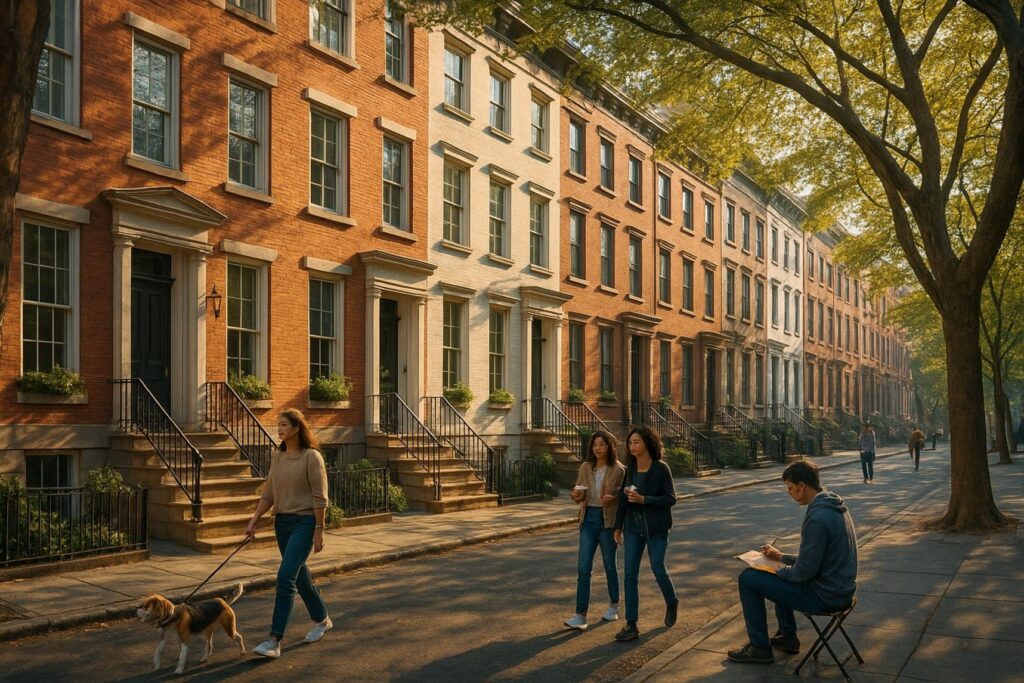
Historic facade restoration also helps protect neighborhood identity. NYC’s historic buildings are part of what makes each area feel unique. Keeping facades intact helps places like Greenwich Village, the Upper West Side, and Brooklyn Heights avoid losing their character as new development grows.
When the original details and workmanship are kept, people feel a stronger connection to the neighborhood’s past and present. It creates a sense of continuity that residents and visitors can see and experience. This helps New York stay recognizable as a city that values its history while still moving forward.
Improving Safety and Preventing Future Deterioration
Another major outcome of thoughtful restoration is improved safety and fewer major repairs later. Many historic facades hide problems like weak masonry, unsafe structural parts, or damaged support systems. A full restoration includes inspections and repairs that reduce risks to residents and the public and help the building meet today’s safety needs.
Using the right materials and modern moisture control methods also makes the building exterior stronger. It reduces the impact of weather, pollution, and water leaks, so small problems are less likely to become emergencies. Regular inspections and planned maintenance often follow a major restoration, helping the facade keep working as a protective barrier and reducing the need for large repair work later.
The future of facade restoration in New York City sits where preservation and environmental goals meet. As cities work harder on lowering carbon emissions and preparing for climate risks, historic preservation is being seen more and more as part of sustainable city planning. This idea is discussed in Katherine Gloede Silverman’s 2025 article, “Reflections on Facade Restoration and Sustainability,” which highlights the need to include sustainability in both materials and building systems.
In the years ahead, restoration teams will need better lifecycle planning that looks at long-term environmental impact, not just short-term material repair. This will likely mean more teamwork between preservation experts, climate scientists, and material engineers, so they can create approaches that respect historic accuracy and also reduce environmental harm. Some new ideas include using nature-inspired methods, like self-cleaning surfaces based on lotus leaves.
In the end, rules may also need updates so sustainable improvements are easier to add while still following preservation ethics. With adaptive reuse, new material options, digital tools like Digital Twin Modeling and AI-based structural analysis, and updated policies, New York City can keep its historic facades meaningful for culture and also more responsible for the environment in a time of growing climate pressure.
Also Read | Rope Access Specialists: Comparing Expertise and Access Methods