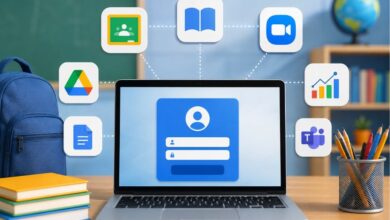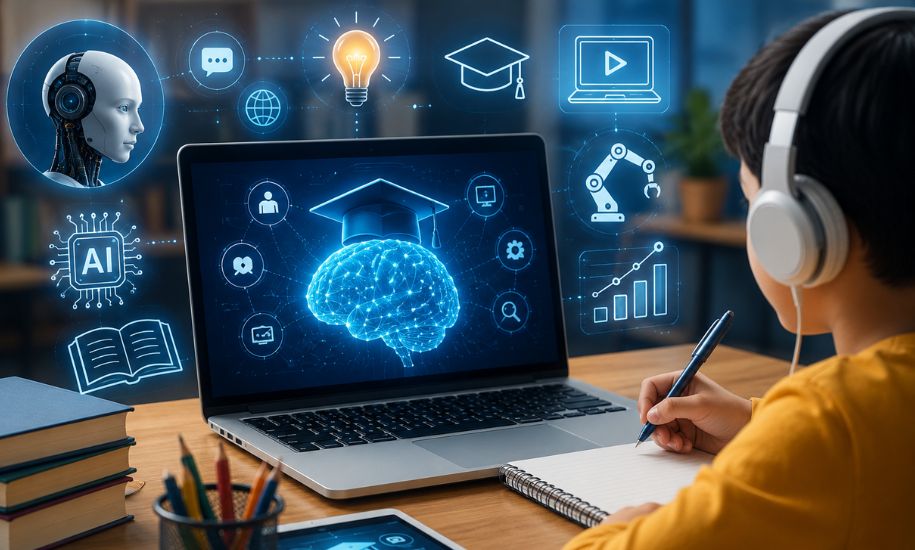
Technology has become part of almost every modern classroom, but knowing how to open an app or use a smartphone is very different from having genuine digital skills. Students increasingly need to understand online safety, keyboarding, productivity software, coding, artificial intelligence, digital citizenship, and responsible technology use. learning . com addresses this educational need through a structured digital curriculum designed for schools, educators, students, and families. The platform combines interactive activities with practical technology instruction, helping learners develop skills that can support both their academic work and future careers.
What Is learning . com?
learning . com is an education-focused platform built around digital literacy and technology skills. The company says it was founded in 1999 and provides web-based curriculum for students from kindergarten through grade 12. Its educational materials cover areas such as keyboarding, online safety, productivity applications, computational thinking, coding, and other digital skills.
Unlike a general online learning marketplace offering thousands of unrelated courses, the platform has a clear emphasis on helping children and teenagers become more capable and responsible technology users.
Its curriculum is designed to work within educational environments, making it especially relevant to teachers, schools, districts, and families looking for structured technology instruction.
Why Digital Literacy Matters for Students
Children may spend significant amounts of time using computers, tablets, phones, and online services, but regular access to technology does not automatically mean they understand it well.
A student might know how to watch videos or play games while still struggling with keyboarding, spreadsheets, digital communication, online privacy, reliable information, or basic computer concepts.
This is where structured digital literacy education becomes valuable.
Students need to understand not only how technology works but also how to use it safely and productively. Digital citizenship, critical thinking, communication, information evaluation, and responsible online behavior are increasingly connected to everyday education.
learning . com approaches these areas as skills that can be taught progressively instead of assuming students naturally acquire them simply by growing up around digital devices.
EasyTech Digital Literacy Curriculum
One of the central offerings associated with the platform is EasyTech, its digital literacy curriculum for K–12 learners.
EasyTech includes interactive instruction covering technology fundamentals and real-world digital applications. According to the company, its current content areas include computational thinking, artificial intelligence, computer fundamentals, multimedia, online safety and digital citizenship, keyboarding, internet communications, spreadsheets, and databases.
This variety allows digital literacy to be treated as a broad subject rather than only a typing or coding course.
Students can learn foundational concepts before moving into more advanced technology skills. Such progression can be particularly useful because expectations differ significantly between an elementary-school student learning computer basics and an older learner preparing to use productivity applications more independently.
Keyboarding and Computer Fundamentals
Typing remains an important part of digital education even as touchscreen devices become more common.
Students who can type efficiently may find it easier to complete written assignments, communicate digitally, conduct research, and work with productivity software. Keyboarding also provides a foundation for activities such as coding and document creation.
Computer fundamentals extend beyond typing. Learners need to understand how digital devices, interfaces, files, applications, and common tools function.
The curriculum offered through learning . com is designed to help develop these foundational abilities alongside more advanced digital topics. This creates a more complete approach than teaching students individual programs without explaining the broader concepts behind them.
Online Safety and Digital Citizenship
Internet access gives students powerful opportunities to communicate and learn, but it also introduces privacy, security, and behavioral concerns.
Online safety education can help young learners understand why passwords matter, how personal information should be handled, and why potentially risky online situations require careful judgment.
Digital citizenship expands the discussion further.
Students increasingly need to think about how their actions affect other people online, how information should be shared responsibly, and how to participate appropriately in digital communities.
EasyTech includes online safety and digital citizenship among its major curriculum areas, showing that technology education on the platform is not limited to technical skills alone.
Coding and Computational Thinking
Coding education can introduce students to much more than programming syntax.
At its best, computer science encourages logical reasoning, structured problem-solving, experimentation, and persistence. Computational thinking helps learners break complicated problems into manageable steps and think systematically about possible solutions.
learning . com includes coding and computational thinking within its broader technology curriculum.
This approach makes sense because coding becomes more meaningful when students already understand basic computer use and digital concepts.
Not every student will eventually become a software developer, but learning how digital systems are created can provide useful insight into the technology they interact with every day.
Artificial Intelligence Education
Artificial intelligence has become another increasingly important part of digital literacy.
The platform currently includes AI foundations within its curriculum and has announced expanded AI literacy materials. Its K–8 AI literacy resources focus on subjects such as critical thinking, ethical AI use, digital safety, and responsible interaction with AI-related technology.
This is an important distinction from simply giving children access to AI tools.
AI literacy involves understanding capabilities and limitations, recognizing that generated information should be evaluated, considering ethical questions, and knowing when human judgment remains necessary.
The company has also emphasized integrating AI education into broader digital literacy rather than treating artificial intelligence as a completely isolated skill.
Tech Quest and Self-Paced Learning
Another feature connected with Learning.com’s educational environment is Tech Quest.
Tech Quest provides a more student-led pathway through technology skills. It can automatically guide learners through assigned material without requiring teachers to manually select every lesson.
Students progress through interactive lessons and activities as they move along their learning path. The company describes Tech Quest as a way for K–8 students to develop essential technology skills while reducing the amount of curriculum management required from teachers.
This can be helpful in classrooms where educators already have substantial workloads but still need to provide structured digital instruction.
Self-paced material can also allow students to spend different amounts of time developing particular skills.
How Teachers Can Use the Platform
A major strength of learning . com is that it is designed around classroom implementation rather than functioning only as an independent website for students.
EasyTech includes self-paced lessons along with teacher lesson plans, discussions, hands-on activities, quizzes, and related instructional resources.
This gives educators flexibility.
Some activities can be assigned directly to students, while other subjects can become part of teacher-led classroom discussions. The platform therefore supports both independent digital practice and more traditional instruction.
Learning.com also maintains training resources designed to help educators understand products such as EasyTech and Tech Quest.
Can Families and Homeschool Students Use learning . com?
The platform is not limited exclusively to large school districts.
Learning.com currently promotes digital literacy curriculum options for families and homeschool education as well. Its family-focused offering covers technology skills intended to prepare K–12 learners for academic activities and future careers, including responsible AI use and real-world digital applications.
This can make the curriculum relevant to parents who want technology education to be more structured than simply allowing children additional screen time.
For homeschool families, a dedicated curriculum can also provide a clearer progression through topics such as typing, computer fundamentals, online safety, productivity applications, and coding.
Who Can Benefit from learning . com?
The platform can serve several groups within education.
Teachers can use structured lessons to supplement classroom technology instruction. School administrators can implement a consistent digital literacy curriculum across multiple grades. Parents and homeschool educators can use organized resources to develop technology skills at home.
Students are ultimately the main beneficiaries.
Younger learners can begin with computer fundamentals, keyboarding, and safe technology habits, while older students can develop more advanced abilities involving productivity software, computational thinking, coding, and artificial intelligence.
The progressive nature of digital literacy is important because technology competence is not a single skill that students learn once and complete.
Is learning . com Worth Considering?
Whether the platform is suitable depends on what a school, educator, or family wants to accomplish.
Those looking for entertainment-based learning across dozens of traditional academic subjects may find its focus relatively specialized. However, that specialization is also its key advantage. It concentrates heavily on practical technology knowledge and responsible digital participation.
The presence of interactive lessons, teacher resources, self-paced pathways, coding, keyboarding, digital citizenship, productivity tools, and newer AI literacy material creates a broad technology-learning environment.
Before choosing any educational subscription or curriculum, schools and families should still compare current pricing, grade-level coverage, implementation requirements, and available trial options with their individual needs.
Final Thoughts
learning . com represents a structured approach to teaching digital skills at a time when simply having access to technology is no longer enough. Through areas such as keyboarding, computer fundamentals, online safety, productivity applications, coding, computational thinking, and AI literacy, the platform aims to help students become more capable and responsible digital users. Its combination of student-led activities and educator resources makes it applicable across classroom, district, and home-learning environments. For readers interested in discovering more useful digital platforms, educational resources, and detailed website explainers, Insider Newz continues to cover online services and technology in an accessible way.