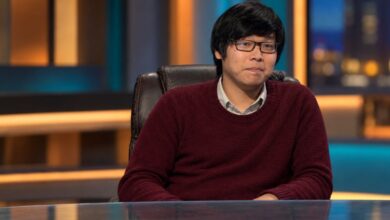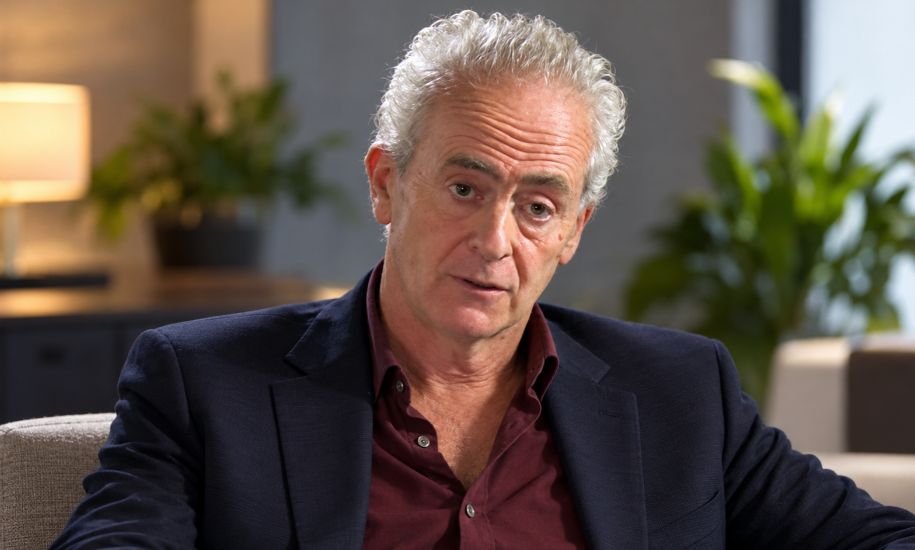
Nick Davies is a respected British investigative journalist and author whose work has helped expose serious problems within the media industry. Best known for his reporting on the phone-hacking scandal involving the News of the World and his influential book Flat Earth News, he built a career around questioning powerful institutions and uncovering stories that might otherwise have remained hidden. His journalism has sparked public debate about press ethics, accountability, and the responsibility of reporters to tell the truth. Although he stepped away from regular journalism, his investigations continue to influence discussions about modern media and investigative reporting.
Quick Bio of Nick Davies
| Detail | Information |
|---|---|
| Full Name | Nick Davies |
| Date of Birth | 28 March 1953 |
| Nationality | British |
| Profession | Investigative Journalist and Author |
| Known For | Phone-hacking investigation and media criticism |
| Former Employer | The Guardian |
| Famous Book | Flat Earth News |
| Other Notable Books | Hack Attack, Dark Heart, White Lies, The School Report |
| Children | Three, according to his publisher biography |
| Reported Residence | Sussex, England |
| Journalism Retirement | Reportedly retired in 2016 |
Who Is Nick Davies?
Nick Davies is a British journalist who earned recognition for investigating complex social and political issues. His reporting has examined crime, poverty, public institutions, and the standards of journalism itself. Rather than simply repeating official statements, he became known for examining documents, questioning established accounts, and pursuing evidence that challenged powerful organisations.
Much of his professional reputation developed through his work with The Guardian, where he investigated subjects that attracted significant public attention. His reporting on phone hacking became particularly influential because it exposed questions about journalistic conduct and the relationship between the British press, politicians, and public figures.
His book Flat Earth News, published in 2008, further strengthened his reputation. It explored the pressures affecting modern newsrooms and explained how commercial interests, inadequate verification, and dependence on unreliable sources can contribute to misleading reporting.
Early Life and Education
Although Davies has a substantial public record as a journalist, detailed information about his childhood and private upbringing is less widely documented in readily available biographies. For that reason, accounts of his early life should avoid unsupported claims about his family background or personal experiences.
His later career demonstrates a sustained interest in investigating complicated subjects and questioning conventional explanations. These qualities became central to his reporting style, particularly when he examined institutions that had the resources and influence to resist scrutiny.
His professional journey also illustrates the importance of persistence in investigative journalism. Major investigations often require months or years of research, careful source evaluation, and the willingness to revisit evidence when initial explanations do not withstand examination.
Nick Davies and His Career at The Guardian
Davies became closely associated with The Guardian, one of Britain’s major newspapers. During his career, he developed a reputation for reporting on issues that extended beyond daily headlines, including failures in public policy, social inequality, crime, and media misconduct.
Investigative journalism differs from ordinary news reporting because it requires journalists to establish facts that may not be immediately visible. This can involve interviewing sources, examining records, comparing conflicting accounts, and challenging statements from influential people.
His reporting reflected this approach. He frequently pursued subjects that required detailed research rather than quick commentary, helping establish his position as a journalist willing to challenge powerful institutions.
His work also demonstrated that investigative reporting can have consequences beyond the newspaper in which it appears. When credible evidence raises questions about misconduct, it can prompt further investigations, public inquiries, and broader discussions about accountability.
The Phone-Hacking Scandal and His Major Investigation
One of the defining achievements of Davies’s career was his reporting on phone hacking at the News of the World, a British newspaper owned by Rupert Murdoch’s News Corporation.
Phone hacking involved the unlawful interception of voicemail messages belonging to individuals, including celebrities and other prominent figures. As the scandal developed, questions emerged about the extent of the practice, who knew about it, and whether earlier explanations had concealed a wider problem.
Davies played a major role in bringing evidence about the scandal to public attention through his reporting for The Guardian. Between 2009 and 2011, he wrote extensively about alleged wrongdoing and the responses of the newspaper and associated organisations.
The investigation became a major event in British media history. The controversy contributed to the closure of the News of the World in July 2011 and intensified scrutiny of press standards, police investigations, and relationships between media organisations and political figures.
The scandal also demonstrated why independent investigative journalism matters. Stories involving influential companies can be difficult to pursue, particularly when they challenge established narratives or attract strong resistance. Davies’s reporting showed how sustained examination of evidence can help bring important issues into the public domain.
Flat Earth News and His Criticism of Modern Journalism
Published in 2008, Flat Earth News is among Davies’s best-known works. The book investigates how news organisations produce and distribute information, examining the pressures that can undermine accuracy and independence.
Davies argues that problems in journalism are not always the result of deliberate deception. Understaffed newsrooms, commercial pressures, tight deadlines, and an overreliance on information supplied by public relations organisations can all affect the quality of reporting.
These concerns remain relevant in an environment where news travels rapidly across websites, social media platforms, and digital publications. The speed of publication can encourage reporters to prioritise immediate output over careful verification.
The book encourages readers to question where information originates, how claims are checked, and whether a published story provides sufficient evidence for its conclusions. It also raises questions about the responsibility of media organisations to protect editorial independence.
For journalism students and working reporters, the central lesson is straightforward: accuracy requires more than repeating what a source says. It requires checking evidence, considering alternative explanations, and making uncertainty clear when the facts are incomplete.
Nick Davies’s Books and Publications
In addition to his newspaper investigations, Davies has written several books exploring social issues, institutional failures, and journalism.
His notable publications include:
- Flat Earth News: An examination of the problems affecting contemporary news production and journalistic reliability.
- Hack Attack: An account of the phone-hacking scandal and the investigation into wrongdoing within the British press.
- Dark Heart: An investigation into poverty and social disadvantage in Britain.
- The School Report: A work associated with his broader interest in social issues and institutions.
- White Lies: An investigation into a miscarriage of justice involving a racist crime case in Texas.
These books demonstrate the breadth of his interests. While the phone-hacking investigation brought him considerable attention, his wider body of work addresses questions about inequality, institutional responsibility, and the consequences of unreliable information.
His writing combines investigative detail with an interest in the systems that allow problems to continue. This approach distinguishes his work from commentary that focuses only on individual personalities or isolated events.
Where Is Nick Davies Now?
Nick Davies reportedly retired from regular journalism in 2016 after a career spanning approximately four decades. His professional life had included extensive investigative work for The Guardian, as well as books that examined the media and wider social issues.
Publisher biographies have associated him with Sussex, England. However, detailed information about his current daily activities, recent projects, and private circumstances is limited in the public sources reviewed.
Retirement from regular reporting does not diminish the significance of his earlier investigations. His books remain useful for readers interested in investigative methods, media accountability, and the pressures affecting news organisations.
His career also offers an example of how journalists can contribute to public understanding long after an individual investigation has ended. The questions raised by his work continue to inform debates about press freedom, ethical reporting, and the role of journalism in democratic societies.
Nick Davies’s Wife, Ex-Wife, and Partner
Davies has generally maintained a distinction between his professional work and his private life. Consequently, reliable public information about his romantic relationships is limited.
A 2009 report by Journalism.co.uk recorded Davies saying that he had never had a wife. This provides historical context, but it does not establish his relationship status in 2026. The sources reviewed do not reliably confirm a current spouse, an ex-wife, or a present romantic partner.
It is therefore important not to repeat unsupported claims about his personal relationships. His professional biography is much better documented than his private life, and any new claims about a spouse or partner should be supported by credible, recent reporting.
Nick Davies’s Children and Family Life
According to his publisher biography, Davies has three children. Beyond that information, publicly available biographical sources provide limited verified detail about their identities and personal lives.
There is insufficient reliable information to confidently identify a particular son or describe the careers of his children. Readers should distinguish between confirmed family details and speculation published without supporting evidence.
This limited public information is consistent with the broader approach Davies appears to have taken toward his private life. His public reputation rests primarily on his reporting, publications, and contribution to investigative journalism rather than on his family circumstances.
Why Nick Davies Remains an Important Figure in Journalism
Davies’s career highlights the importance of asking difficult questions, examining evidence, and holding powerful organisations accountable. His investigation into phone hacking demonstrated how persistent reporting can expose misconduct and encourage wider public scrutiny.
Meanwhile, Flat Earth News challenged readers to think more critically about how news is produced. Its examination of commercial pressures, newsroom practices, and information verification remains relevant to digital publishers and traditional media organisations alike.
His legacy is therefore connected to two complementary ideas: journalists must investigate wrongdoing, and readers must be able to trust that published information has been carefully checked. Both principles are essential to maintaining public confidence in the media.
For readers interested in investigative reporting, Nick Davies’s career provides a useful example of how sustained research and independent thinking can contribute to meaningful public debate. His work remains a valuable subject for anyone studying journalism, media ethics, or the relationship between the press and powerful institutions.
Conclusion
Nick Davies is remembered as a British investigative journalist and author whose reporting helped expose the phone-hacking scandal and whose writing challenged weaknesses in modern news production. From his work at The Guardian to books such as Flat Earth News and Hack Attack, his career has focused on evidence, accountability, and the public interest. Although he reportedly retired from regular journalism in 2016, his investigations continue to offer lessons about press ethics and responsible reporting. For readers seeking reliable biographies and thoughtful coverage of influential public figures, Insider Newz aims to provide informative articles that place careers, achievements, and personal backgrounds in their proper context.