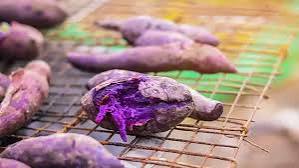
Ube, the vibrant purple yam widely enjoyed in Filipino cuisine, retains much of its nutritional value when cooked, although some nutrients are sensitive to heat and water. Boiling, steaming, and baking can change its vitamin content and antioxidant activity, but these changes do not make cooked ube unhealthy. In fact, cooking makes this naturally starchy tuber easier to digest and more enjoyable to eat.
The main concern involves water-soluble vitamins and certain antioxidants in purple yam. Vitamin C can decrease during prolonged heating, while some purple pigments may break down or escape into cooking water. Minerals and dietary fiber are generally more stable, meaning that cooked ube can still contribute valuable nutrients to a balanced diet.
Think of cooking as adjusting the nutritional balance rather than emptying the tuber of its benefits. Heat can reduce certain compounds while improving starch digestibility and changing the availability of others. The final result depends on the cooking temperature, duration, amount of water, and preparation method. A gently steamed purple yam may retain different amounts of nutrients than one boiled for an extended period.
For anyone who enjoys eating ube regularly, understanding these differences can make everyday food choices easier. The aim is not to avoid cooking but to select methods that preserve nutritional quality while providing a pleasant texture and flavor. From traditional boiled purple yam to homemade baked recipes, a few practical adjustments can help maintain its natural nutritional benefits without sacrificing the pleasure of eating it.
How does cooking affect the nutritional value of ube?
Cooking changes the nutritional composition of ube through several processes, including heat exposure, moisture absorption, and the breakdown of certain plant compounds. However, not all nutrients respond in the same way. Some are relatively stable, while others are more vulnerable to prolonged temperatures or contact with water.
Vitamin C is one of the nutrients most affected by cooking. It is sensitive to heat, oxygen, and water, meaning that boiling chopped ube for a long period may decrease its concentration. The exact amount lost varies according to the original vitamin content, cooking conditions, and size of the pieces.
Other nutrients behave differently. Minerals such as potassium are not destroyed by heat, although some may dissolve into boiling water. Dietary fiber in ube generally remains present, even when cooking softens the plant tissues. Heat also gelatinizes starch, making cooked ube easier for digestive enzymes to break down.
The nutritional impact should therefore be evaluated as a whole. A reduction in one vitamin does not mean that the entire food has lost its value. Cooked purple yam continues to provide carbohydrates, fiber, minerals, and plant compounds that can contribute to a varied diet.
Does cooking destroy the antioxidants found in purple yam?
The purple color of ube comes partly from anthocyanins, a family of natural pigments with antioxidant properties. These compounds attract considerable nutritional interest because they can help neutralize reactive molecules in laboratory conditions. Their stability during cooking depends on temperature, exposure time, acidity, and the surrounding food environment.
Some anthocyanins may degrade when ube is exposed to prolonged heating. Boiling can also transfer water-soluble pigments into the cooking liquid, especially when the tuber is peeled and cut into small pieces. This can reduce the quantity remaining in the cooked flesh.
However, heat does not necessarily eliminate all antioxidant activity. Certain compounds remain present, and cooking can alter how easily plant compounds are released from food tissues during digestion or laboratory extraction. As a result, antioxidant activity after cooking does not always decrease in direct proportion to measured anthocyanin content.
It is also important to distinguish antioxidant measurements from demonstrated human health outcomes. Although purple yam contains interesting bioactive compounds, eating it does not guarantee protection against specific diseases. Its strongest nutritional advantage comes from being part of an overall varied eating pattern rich in vegetables, fruits, legumes, and other minimally processed foods.
Which cooking method preserves the most nutrients in ube?
The healthiest preparation method depends on which nutrients are being considered. Steaming ube is often a practical choice for limiting losses of water-soluble compounds because the yam does not remain submerged in water. Boiling and baking also have nutritional advantages, although the final nutrient retention depends heavily on cooking conditions.
Steaming exposes the tuber to moist heat without direct contact with a large volume of water. This can help retain vitamins and pigments that might otherwise leach into the cooking liquid. Using larger pieces and keeping the skin intact when appropriate may further reduce nutrient losses.
Boiling is popular because it produces a soft texture suitable for mashed ube, traditional desserts, and homemade preparations. Some vitamins and minerals may move into the water, particularly when the yam has been cut into small pieces. Cooking it whole or in larger sections can help limit this effect. Using suitable cooking liquid in a recipe may also allow some dissolved nutrients to remain in the finished dish.
Baking avoids immersion in water and creates a pleasantly concentrated flavor. Nevertheless, prolonged exposure to high temperatures can affect heat-sensitive nutrients. Baking does not automatically preserve more antioxidants than steaming, since nutrient retention varies by compound and preparation conditions.
For routine preparation, gentle steaming with minimal cooking time is a sensible option. The goal is to cook the yam thoroughly without exposing it to unnecessary heat. Purple yam should not be eaten raw, as cooking improves its digestibility and suitability for consumption.
What happens to the fiber and starch in cooked ube?
One important advantage of cooked ube is that it remains a source of dietary carbohydrates, including starch and fiber. Unlike certain vitamins, fiber is not simply destroyed by ordinary cooking. Heating softens plant cell walls and changes the physical structure of the food, but much of its fiber remains.
Dietary fiber supports normal bowel function and contributes to the overall quality of a balanced diet. The quantity available in a serving depends on the variety of purple yam, the portion consumed, and how it has been processed. Removing substantial amounts of fibrous material during preparation can change the fiber content of the finished food.
Starch undergoes a particularly important transformation. During cooking with sufficient moisture, starch granules absorb water and swell, a process known as starch gelatinization. This makes the carbohydrates more accessible to digestive enzymes and contributes to the soft, creamy texture associated with cooked ube.
Cooling cooked yam can encourage some starch molecules to reorganize into resistant starch. This form of starch is less readily digested in the small intestine and may be fermented by intestinal bacteria. The amount formed depends on cooling conditions, preparation methods, and the characteristics of the yam.
These changes should not be interpreted as proof that cooled ube will substantially lower blood sugar in every person. Individual responses vary, and portion size, accompanying ingredients, and overall meal composition remain important. Cooked ube can fit into a balanced diet, but it is still a carbohydrate-rich food.
Does ube powder retain the same nutritional benefits as fresh ube?
Ube powder offers a convenient alternative to fresh purple yam, particularly for recipes requiring a concentrated flavor or consistent texture. Its nutritional composition depends on how the powder is produced, including whether the yam is cooked before drying, the dehydration temperature, and any additional processing.
Removing water concentrates the remaining nutrients by weight, which means that 100 grams of dried ube powder cannot be directly compared with 100 grams of fresh yam. The powder generally contains much less moisture, making comparisons based on dry matter or equivalent prepared portions more meaningful.
Some heat-sensitive vitamins and anthocyanins may decrease during dehydration and storage. However, carbohydrates, certain minerals, and much of the fiber can remain. Carefully processed products may retain useful nutritional characteristics, although the precise composition varies between manufacturers.
Consumers should also distinguish pure purple yam powder from sweetened ube drink mixes or dessert powders. These products may contain sugar, flavorings, coloring agents, or other ingredients that significantly change their nutritional profiles. Checking the ingredient list is the simplest way to understand what a particular product provides.
For cooking, pure ube powder can be incorporated into porridge, pancakes, smoothies, or baked preparations. It should be rehydrated or prepared according to the manufacturer’s instructions when necessary. Fresh and powdered forms can both be useful, but they are not nutritionally identical.
Simple ways to preserve the nutritional benefits of cooked ube
Maintaining the nutritional quality of purple yam does not require specialized equipment or complicated techniques. The most useful habits involve controlling heat exposure, limiting unnecessary water loss, and avoiding excessive processing. These measures can help preserve nutrients while ensuring that the food is cooked thoroughly.
When preparing fresh ube, use appropriately sized pieces and avoid prolonged boiling once the flesh is tender. If steaming is available, it offers a convenient way to reduce direct contact with water. Keeping the tuber intact during cooking may also help protect some water-soluble compounds.
Preparation matters just as much as cooking. Traditional ube desserts frequently contain sugar, butter, sweetened condensed milk, or cream. These ingredients can increase the energy density and added sugar content of the final dish. The presence of purple yam does not automatically make a dessert nutritionally equivalent to plain cooked ube.
For a balanced everyday option, serve cooked purple yam alongside protein-rich foods and vegetables. Its naturally sweet flavor also works well in recipes that require little added sugar. Portion size should reflect individual energy needs, especially when ube forms the main carbohydrate component of a meal.
The most practical approach is to prioritize moderate cooking temperatures, sufficient cooking for safe consumption, and simple ingredients. Steamed, boiled, or baked ube can all be nutritious choices when prepared thoughtfully. Although cooking may lower certain vitamins and antioxidant compounds, it leaves the purple yam with meaningful nutritional value and makes this traditional food suitable for a wide range of meals.