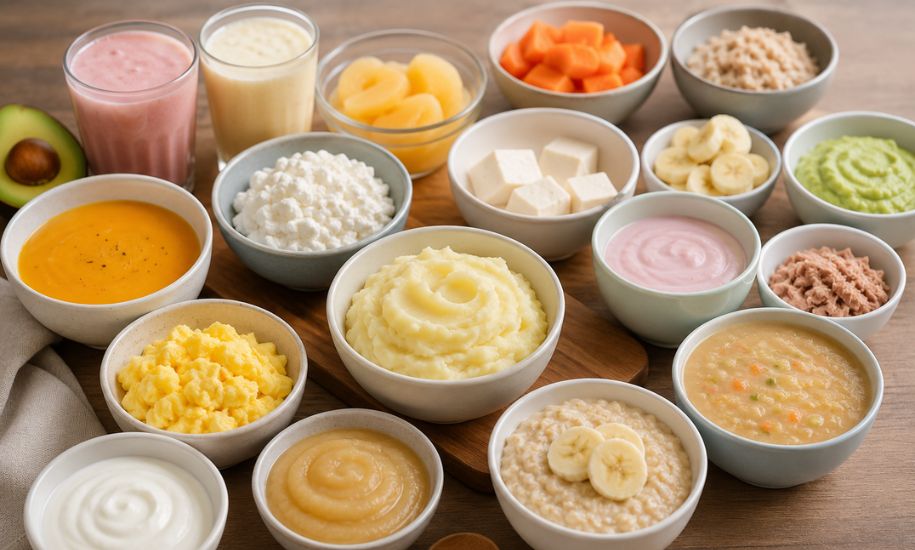
Having a tooth extracted can be an uncomfortable experience, but proper aftercare can make the healing process much smoother. One of the most important aspects of recovery is choosing the right foods. Eating soft foods after a tooth extraction helps protect the extraction site, reduces discomfort, and provides the nutrients your body needs to heal efficiently.
Whether you have had a simple extraction, oral surgery, or wisdom teeth removal, following a soft-food diet can prevent complications such as dry socket and irritation. In this guide, we will explore 50 soft foods to eat after tooth extraction, explain why they are beneficial, and provide additional tips to help you recover quickly and comfortably.
Why Soft Foods Are Important After Tooth Extraction
After a tooth is removed, a blood clot forms in the empty socket. This clot is essential because it protects the bone and nerves underneath while new tissue develops. Hard, crunchy, or chewy foods can disturb the clot, causing pain and increasing the risk of infection or dry socket.
Soft foods offer several benefits:
- Require minimal chewing
- Reduce pressure on the extraction area
- Lower the risk of bleeding
- Provide essential nutrients for healing
- Help maintain energy levels during recovery
For the first few days after surgery, dentists generally recommend sticking to foods that are easy to swallow and gentle on sensitive gums.
The First 24 Hours After Extraction
The first day is the most critical period for healing. During this time, focus on cool or room-temperature foods that do not require chewing.
Some excellent options include:
- Yogurt
- Applesauce
- Smooth pudding
- Ice cream
- Protein shakes without a straw
- Smooth soups
- Mashed bananas
Avoid hot foods and beverages, as they may dissolve the blood clot and delay healing.
50 Soft Foods to Eat After Tooth Extraction
Dairy-Based Soft Foods
Dairy products are rich in calcium and protein, making them excellent choices for recovery.
- Greek yogurt
- Plain yogurt
- Cottage cheese
- Ricotta cheese
- Cream cheese
- Soft cheese slices
- Frozen yogurt
- Milk-based smoothies
- Pudding
- Custard
These foods are smooth, easy to eat, and packed with nutrients that support tissue repair.
Soft Protein Sources
Protein is essential for healing because it helps rebuild damaged tissues.
- Scrambled eggs
- Soft-boiled eggs
- Egg salad
- Silken tofu
- Soft tofu
- Hummus
- Protein shakes
- Soft flaky salmon
- Soft cod fish
- Tuna salad
- Ground chicken
- Shredded chicken
- Mashed beans
- Lentil puree
- Smooth peanut butter
Adding protein-rich foods to your diet can significantly improve the speed and quality of recovery.
Soft Fruits
Fruits provide vitamins, antioxidants, and hydration that aid healing.
- Applesauce
- Mashed bananas
- Avocado
- Mashed avocado
- Mango puree
- Papaya
- Soft melon
- Canned peaches
- Canned pears
- Baked apples
These fruits are naturally soft and easy to consume without causing discomfort.
Soft Vegetables
Vegetables supply important vitamins and minerals needed during recovery.
- Mashed potatoes
- Mashed sweet potatoes
- Pumpkin puree
- Cooked carrots
- Creamed spinach
- Blended vegetable soup
- Mashed cauliflower
- Pureed peas
Cooking vegetables until very soft makes them much easier to eat after oral surgery.
Soft Grains and Carbohydrates
Carbohydrates provide energy and help prevent fatigue while healing.
- Oatmeal
- Cream of wheat
- Rice porridge
- Well-cooked rice
- Risotto
- Soft pasta
- Macaroni and cheese
These foods are filling and comfortable to eat even when your mouth is sensitive.
Best Foods for Each Stage of Recovery
Days 1–2
During the first two days, focus on liquids and extremely soft foods such as:
- Yogurt
- Smoothies
- Applesauce
- Broth
- Pudding
- Mashed bananas
Days 3–5
As discomfort decreases, you can introduce:
- Scrambled eggs
- Mashed potatoes
- Oatmeal
- Soft pasta
- Cottage cheese
Days 6–10
Most patients can gradually add:
- Soft fish
- Shredded chicken
- Rice dishes
- Soft vegetables
- Pancakes
Always follow your dentist’s advice and avoid foods that cause pain or irritation.
Foods to Avoid After Tooth Extraction
Knowing what not to eat is just as important as knowing what to eat.
Avoid the following:
Crunchy Foods
- Chips
- Crackers
- Popcorn
- Pretzels
Hard Foods
- Nuts
- Raw vegetables
- Hard candies
Sticky Foods
- Chewing gum
- Caramel
- Taffy
Spicy Foods
Spices may irritate the wound and cause discomfort.
Very Hot Foods
Extremely hot soups or drinks can interfere with blood clot formation.
Foods with Seeds
Seeds can become trapped in the extraction site and increase the risk of infection.
Importance of Staying Hydrated
Hydration plays a major role in recovery. Drinking enough water helps maintain circulation and supports tissue healing.
Good beverage choices include:
- Water
- Milk
- Coconut water
- Diluted fruit juice
- Herbal tea served lukewarm
Avoid:
- Alcohol
- Carbonated beverages
- Energy drinks
- Drinks consumed through a straw
Using a straw creates suction that can dislodge the blood clot and lead to dry socket.
Nutrients That Speed Up Healing
Protein
Protein repairs tissues and supports immune function.
Vitamin C
Vitamin C promotes collagen production and wound healing.
Sources include:
- Papaya
- Mango
- Soft fruit smoothies
Zinc
Zinc helps the immune system function properly and may support faster recovery.
Calcium
Calcium strengthens teeth and bones while supporting oral health.
Tips for Comfortable Eating After Extraction
- Eat slowly and carefully.
- Take small bites.
- Chew on the opposite side of the mouth.
- Choose lukewarm foods rather than very hot meals.
- Rinse gently with salt water if recommended by your dentist.
- Brush carefully around the extraction area.
- Follow all post-operative instructions.
These simple habits can reduce discomfort and improve healing outcomes.
Common Mistakes to Avoid
Many people unknowingly delay healing by making avoidable mistakes.
Some of the most common include:
- Eating crunchy foods too soon
- Using straws
- Smoking
- Drinking alcohol
- Skipping meals
- Ignoring dental instructions
Avoiding these habits can significantly reduce complications.
When to Return to a Normal Diet
Recovery times vary from person to person. Most patients can begin returning to a normal diet within one to two weeks. However, complex extractions and wisdom tooth surgeries may require additional healing time.
Always listen to your body. If a food causes discomfort, wait a few more days before trying it again.
Final Thoughts
Recovering from a tooth extraction does not have to be difficult when you choose the right foods. The 50 soft foods to eat after tooth extraction listed in this guide provide the nutrients your body needs while protecting the healing socket. From yogurt and mashed potatoes to soft fish and oatmeal, there are plenty of delicious options that can make recovery more comfortable.
By following a soft-food diet, staying hydrated, and avoiding hard or crunchy foods, you can support faster healing and reduce the risk of complications. For more informative health, lifestyle, and wellness articles, be sure to visit Insider Newz, where we regularly share practical guides designed to help readers make informed decisions and improve their everyday lives.