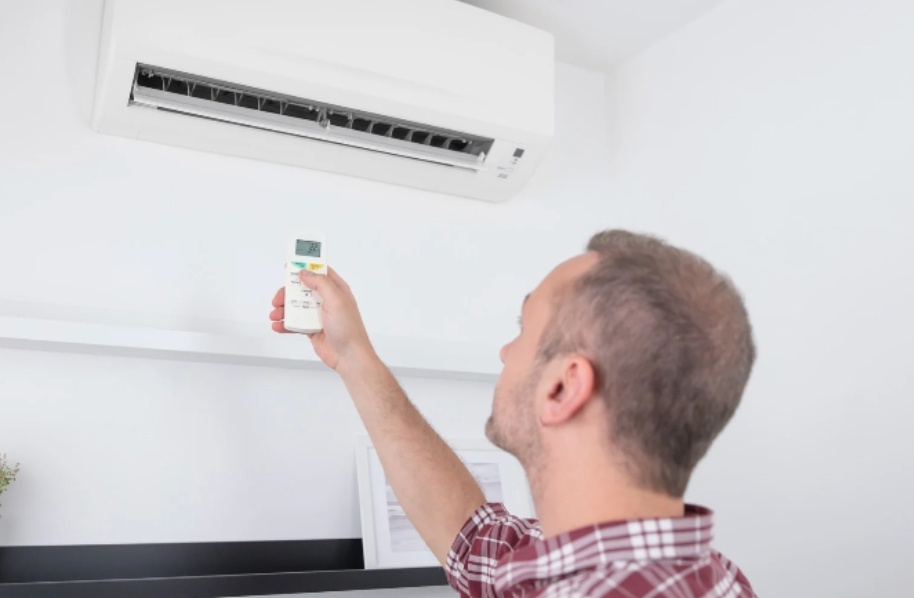
An air conditioner nearing breakdown typically shows warning signs, including frequent repairs, rising energy bills, constant operation without reaching the set temperature, and unusual noises, often over a period of months rather than appearing without warning. Recognizing these signs early allows homeowners to schedule a repair or replacement before a full failure occurs during peak demand, when both discomfort and repair urgency are at their highest.
A failing air conditioner rarely stops working overnight. Instead, it typically shows a gradual pattern of decline, with small inefficiencies compounding over weeks or months until the system can no longer keep up. This is why Air Conditioner Repair Greeley CO is often less about restoring cooling than finding the first problem that started the chain of failures.
Key Takeaways
- Most AC systems have a realistic lifespan of 10 to 15 years with regular maintenance
- Systems typically lose efficiency gradually each year without proper upkeep, showing up first as rising energy costs
- A pattern of frequent repairs is itself a warning sign, even when each individual repair seems minor
- If repair costs exceed roughly half the price of a new system, replacement is generally the better financial decision
- Warning signs typically appear months before a full system failure, giving homeowners time to plan ahead
1. The System Is Over 10 to 15 Years Old
Age alone does not guarantee failure, but it raises the significance of every other warning sign on this list. Once a system passes the typical 10 to 15 year lifespan, developing issues warrant more urgent attention than they would in a newer unit, since older components are more likely to be operating near the end of their functional life across the board, not just in the specific area showing symptoms.
2. Repairs Are Becoming Frequent
A pattern of increasingly frequent service calls is itself a meaningful warning sign, even when each individual repair seems minor in isolation. This pattern often precedes a more significant failure, since a system that requires repeated attention is generally signaling that multiple components are wearing down simultaneously rather than experiencing a single isolated issue.
3. The System Uses an Older, Phased-Out Refrigerant
Systems installed before the mid-2010s may use refrigerants that are being phased out or already restricted under current regulations. As these refrigerants become harder to source, servicing costs for older systems using them tend to rise steadily over time, which can make continued repairs increasingly expensive compared to the cost of replacing the system with a unit that uses a current refrigerant type.
4. Energy Bills Are Climbing Without a Clear Reason
Aging systems typically lose a meaningful percentage of efficiency each year without proper maintenance, as components wear down and lubrication breaks down over time. A gradual, sustained increase in energy costs, distinct from a single unusually hot month, often reflects this decline, and tracking utility bills year over year can reveal this pattern well before other symptoms become obvious.
5. The System Runs Constantly and Still Can’t Keep Up
A system that runs nearly nonstop without bringing the home to a comfortable temperature has moved beyond a simple efficiency issue and often indicates the system is genuinely struggling to function as designed. This is typically one of the more urgent signs on this list, since a system operating at this level of strain is at meaningfully higher risk of a sudden, complete failure.
6. New or Unusual Sounds Are Present
A properly functioning AC operates with a consistent, quiet sound. Banging, grinding, or rattling that was not previously present typically worsens over time rather than resolving on its own, and continuing to run the system while ignoring these sounds generally accelerates the underlying wear causing them.
7. Airflow Is Weak or Inconsistent Throughout the Home
Vents that produce noticeably weaker airflow than others often point to failing internal components, such as a struggling blower motor, distinct from the room-to-room temperature differences caused by duct leaks. This distinction matters, since a blower motor issue typically indicates a more advanced stage of system wear than a simple ductwork problem.
8. The System Struggles More With Each Passing Season
A gradual pattern, where the system takes longer to cool the home and runs longer to maintain temperature each successive summer, is a genuine warning sign even without a single dramatic failure event. This kind of pattern is easiest to spot in hindsight, which is why it helps to make a habit of noting how the system performs each year rather than only paying attention when something feels obviously wrong.
9. A Technician Has Recommended Considering Replacement
When a professional has already indicated that replacement may be more cost-effective than continued repairs, this recommendation is generally reliable, particularly following a repair estimate that approaches or exceeds half the cost of a new system. Technicians who service a wide range of systems regularly have a good frame of reference for when a specific unit’s pattern of issues suggests it is nearing the end of its practical service life.
Planning Instead of Reacting to a Crisis
Homeowners who track how their system performs from one summer to the next are in a much better position to make a calm, informed decision about repair versus replacement, rather than being forced into a rushed choice during an emergency. Setting aside a rough budget for eventual replacement once a system passes the 10-year mark, even before any specific warning sign appears, can make the eventual decision far less stressful when the time actually comes.
Final Thoughts
AC systems typically provide months of warning signs before a complete failure, though these signs are easy to overlook without knowing what to watch for. Noticing two or three of these signs together is a reasonable point to schedule an evaluation for air conditioner repair in Greeley, CO, rather than waiting for a full breakdown during the hottest part of the year, when both comfort and repair costs are at their most inconvenient.