Why a Proper Pool Opening Sets the Foundation for the Entire Swimming Season
A swimming pool is a valuable investment that provides relaxation, recreation, and a beautiful outdoor gathering space for families and guests. However, after remaining closed for weeks or months during the off-season, a pool requires much more attention than simply removing the cover and turning on the equipment. Dirt, leaves, rainwater, fluctuating temperatures, and natural chemical changes can all affect the condition of the water and the performance of the pool system. A complete pool opening process ensures that every component is carefully inspected, cleaned, and prepared before swimmers return to the water. Taking the proper steps at the beginning of the season creates a healthier swimming environment while reducing the likelihood of expensive repairs later.
Many pool owners assume that clear-looking water means the pool is ready to use, but appearances can often be misleading. Microscopic bacteria, algae spores, and chemical imbalances may exist even when the water appears clean. Ignoring these hidden issues can quickly result in cloudy water, algae outbreaks, damaged equipment, and unsafe swimming conditions. Beginning the season with a detailed opening procedure allows professionals to identify small problems before they become larger concerns. It also establishes the proper water balance that makes routine maintenance easier throughout the entire swimming season.
Removing the Winter Cover with Care and Precision
The first stage of opening a swimming pool involves removing the protective cover correctly. During the months when the pool remains closed, the cover collects leaves, dirt, branches, insects, rainwater, and other debris. Removing the cover without first cleaning its surface can cause much of that debris to fall directly into the pool, making the cleaning process far more difficult. Professional technicians carefully remove standing water and loose debris before lifting the cover, ensuring that contaminants remain outside the pool instead of entering the water.
After the cover has been removed, it should never be stored immediately without proper cleaning. Dirt, algae residue, mildew, and moisture left on the material can cause unpleasant odors and reduce the cover’s lifespan. Washing the cover with appropriate cleaning products, allowing it to dry completely, and storing it in a dry location protects the material until the next closing season. Proper cover care is an important part of long-term pool ownership because replacing damaged covers unnecessarily increases maintenance expenses.
Performing a Complete Inspection of the Pool Structure
Once the pool has been uncovered, every visible surface should be inspected carefully before the system is placed back into operation. Months of changing temperatures and weather conditions can sometimes create small cracks, loose tiles, damaged coping, or surface stains that require attention. Detecting these issues early helps prevent more serious structural problems that may become significantly more expensive to repair later in the season.
Professional inspections also include examining skimmers, drains, return fittings, ladders, handrails, underwater lighting, and surrounding deck areas. Even a loose fitting or small crack can eventually develop into a water leak that affects both pool performance and surrounding landscaping. Addressing structural concerns before regular swimming begins ensures the pool remains safe while protecting the owner’s investment for years to come.
Reconnecting and Testing Pool Equipment
A swimming pool depends on multiple mechanical systems working together efficiently to maintain clean and healthy water. During winterization, pumps, heaters, filters, chlorinators, plumbing lines, and automation equipment are often disconnected or drained to protect them from seasonal damage. Reconnecting each component correctly is one of the most important parts of the opening process because even a minor installation mistake can reduce efficiency or lead to equipment failure.
Experienced technicians inspect pump motors, electrical connections, pressure gauges, plumbing fittings, valves, heaters, and timers before restarting the system. They verify that every component operates according to manufacturer specifications and identify any worn seals, damaged parts, or leaks that may have developed while the pool was closed. Preventive inspections help extend equipment lifespan while reducing the risk of emergency repairs during the busiest part of the swimming season.
Cleaning Every Surface Before the Pool Is Used
Although the pool may have been covered during the off-season, debris inevitably enters the water over time. Dust, pollen, insects, leaves, and other contaminants gradually settle on the floor, walls, and steps, affecting both water quality and appearance. Thorough cleaning before swimmers enter the pool removes these materials before they begin decomposing and placing unnecessary strain on the filtration system.
Professional cleaning typically includes skimming the water surface, brushing pool walls, scrubbing tile lines, vacuuming the floor, and emptying skimmer baskets. These tasks eliminate organic material that could otherwise contribute to algae growth or cloudy water. Starting the season with a completely clean pool makes chemical balancing more effective and allows filtration equipment to operate more efficiently throughout the months ahead.
Starting the Circulation System the Right Way
The circulation system serves as the heart of every swimming pool because it continuously moves water through pumps, filters, heaters, sanitizers, and return lines. Proper circulation keeps chemicals evenly distributed, prevents stagnant water, improves filtration efficiency, and supports consistently clear water. After months of inactivity, the circulation system should never be started without first inspecting every component to ensure that it functions properly.
During startup, professionals carefully monitor pump operation, pressure readings, water flow, and return jets to verify that circulation remains strong throughout the pool. Air trapped inside the plumbing system is removed, leaks are identified immediately, and filtration performance is evaluated before the pool enters normal operation. Establishing strong circulation at the beginning of the season provides the foundation for healthy water conditions and helps simplify future maintenance.
Why Early Maintenance Saves Time and Money
One of the greatest advantages of completing a professional pool opening is preventing costly repairs before they occur. Small problems discovered during inspections are typically inexpensive to correct, while the same issues may become major equipment failures if left unnoticed throughout the swimming season. Preventive maintenance protects pumps, heaters, plumbing systems, and filtration equipment from unnecessary wear while improving overall operating efficiency.
Investing in professional pool opening services also saves homeowners valuable time by ensuring that every step is completed correctly the first time. Rather than spending days troubleshooting water quality issues or repairing malfunctioning equipment, pool owners can begin enjoying clean, clear water much sooner. Proper preparation at the start of the season creates long-term benefits that continue throughout every month of pool use.
Restoring Proper Water Chemistry for Healthy and Crystal-Clear Water
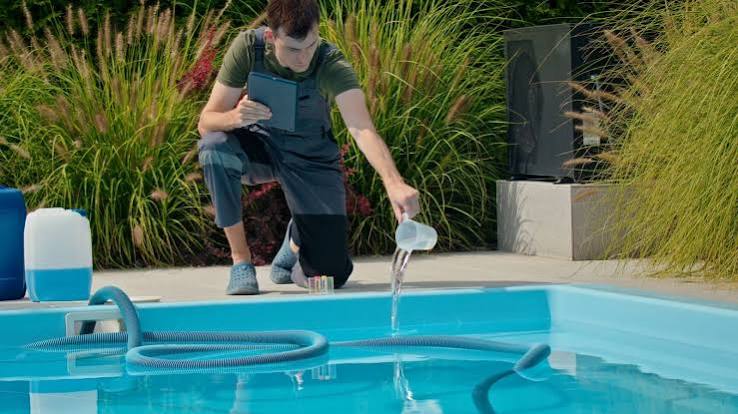
After the pool has been cleaned and the circulation system is operating correctly, restoring proper water chemistry becomes one of the most important stages of the opening process. Water that has remained unused for several months naturally experiences chemical changes caused by temperature fluctuations, evaporation, rainwater, and the gradual breakdown of sanitizers. Even if the water appears clean, it may still contain bacteria, algae spores, or imbalanced minerals that can create problems once the pool begins regular use. Professional testing ensures that chlorine or other sanitizers, pH, total alkalinity, calcium hardness, and stabilizer levels are adjusted to their recommended ranges before anyone enters the water. Establishing proper chemical balance from the beginning helps create a comfortable swimming experience while preventing issues that become much more difficult to correct later.
Balanced water chemistry also protects the pool itself, not just the people using it. Water that is too acidic can corrode metal components, damage pool liners, and shorten the lifespan of expensive equipment such as heaters and pumps. Water with excessively high pH or calcium hardness may lead to cloudy water, scale formation, and clogged plumbing that reduces circulation efficiency. By carefully testing and adjusting each chemical level during the opening process, technicians create an environment where sanitizers perform effectively, equipment remains protected, and the water stays sparkling throughout the swimming season. Maintaining this balance from the very first day significantly reduces ongoing maintenance requirements and helps avoid unnecessary repair costs.
Inspecting and Servicing the Filtration System
The filtration system is responsible for removing dirt, dust, body oils, pollen, insects, and microscopic contaminants that cannot be eliminated through surface cleaning alone. Because filters often remain inactive for an extended period during the off-season, they should always be inspected and serviced before regular circulation begins. A clogged or dirty filter forces the pump to work harder, increases energy consumption, and limits the system’s ability to maintain clear water. Beginning the season with a properly cleaned filter allows the entire circulation system to operate more efficiently while improving overall water quality.
Professional technicians evaluate every part of the filtration system to ensure it performs at its highest level. Sand filters are backwashed when necessary, cartridge filters are cleaned or replaced if worn, and diatomaceous earth filters receive the appropriate maintenance recommended by the manufacturer. Pressure gauges, valves, and filter housings are also inspected to confirm that water flows properly throughout the system. Starting the swimming season with a fully serviced filtration system helps reduce equipment wear, improves water clarity, and supports healthier swimming conditions for months to come.
Verifying Safety Features Before the First Swim
A successful pool opening is not complete until every important safety feature has been carefully inspected. Months of inactivity can affect ladders, handrails, gates, drain covers, lighting systems, and other essential components that contribute to a safe swimming environment. Loose hardware, damaged fittings, or worn safety equipment should always be repaired or replaced before the pool is opened for family members or guests. Taking time to perform these inspections helps reduce potential hazards while giving homeowners greater confidence that the pool is ready for regular use.
Safety also depends heavily on maintaining excellent water clarity. Swimmers and supervisors should always be able to see the bottom of the pool clearly in case an emergency occurs. Proper chemical balancing, efficient circulation, and a clean filtration system all work together to maintain clear visibility while preventing harmful bacteria and algae from affecting water quality. Professional opening services combine mechanical inspections with water quality management to ensure that every aspect of the swimming environment meets high safety standards before the season officially begins.
Why Professional Pool Opening Services Make a Difference
Although many homeowners attempt to prepare their pools without assistance, professional services provide expertise that often prevents expensive mistakes. Experienced technicians understand every aspect of pool operation, allowing them to recognize developing problems that might otherwise remain unnoticed. Minor plumbing leaks, worn pump seals, electrical issues, damaged valves, or chemical imbalances can all be identified and corrected before they lead to larger equipment failures. This preventive approach not only protects the investment made in the swimming pool but also reduces interruptions during the busiest months of the year.
Working with professionals also saves considerable time and effort. Rather than spending several days researching chemical adjustments, troubleshooting equipment, or cleaning extensive debris, homeowners can rely on trained specialists who complete every stage of the opening efficiently and accurately. Investing in professional pool opening services ensures that the pool is prepared according to industry best practices, allowing owners to enjoy clean, healthy water without unnecessary stress or uncertainty.
Establishing a Maintenance Routine After Opening
Successfully opening the pool is only the beginning of maintaining healthy water throughout the swimming season. Once the pool is operating normally, consistent maintenance becomes essential for preserving water quality and equipment performance. Regular skimming removes floating debris before it sinks to the bottom, while routine brushing and vacuuming eliminate dirt and algae that may accumulate on pool surfaces. Weekly water testing allows small chemical adjustments to be made before imbalances create larger problems, helping maintain comfortable swimming conditions while protecting expensive mechanical equipment.
Routine inspections of pumps, filters, heaters, plumbing lines, and automation systems further reduce the likelihood of unexpected breakdowns. Small maintenance tasks performed consistently require far less time and expense than correcting serious issues after they have developed. By combining a professional opening process with an ongoing maintenance schedule, pool owners enjoy cleaner water, lower operating costs, improved energy efficiency, and greater confidence that their swimming pool will remain ready whenever it is needed.
Long-Term Benefits of a Proper Pool Opening
A carefully planned opening process provides benefits that extend well beyond the first few weeks of the swimming season. Clean equipment, balanced water chemistry, and properly functioning circulation systems create ideal conditions that make routine maintenance faster and more effective. Pumps operate with less strain, filters remain cleaner for longer periods, heaters function more efficiently, and sanitizers maintain their effectiveness because the system begins the season in optimal condition. These improvements reduce long-term operating expenses while extending the useful life of expensive pool equipment.
In addition to protecting the mechanical components, proper pool opening also preserves the visual beauty of the swimming pool. Clear water, stain-free surfaces, clean tile lines, and well-maintained equipment create an inviting outdoor environment that family members and guests can enjoy throughout the season. Preventive care minimizes disruptions caused by algae outbreaks, cloudy water, or unexpected repairs, allowing homeowners to spend more time relaxing in the pool instead of solving maintenance problems. A professional opening therefore becomes one of the most valuable investments in protecting both the appearance and performance of the entire pool system.
Conclusion
A thorough pool opening process is one of the most important responsibilities for every pool owner because it establishes the foundation for a safe, efficient, and enjoyable swimming season. From removing the winter cover and inspecting structural components to restoring water chemistry and verifying equipment performance, every step contributes to healthier water and longer-lasting pool equipment. Skipping these essential procedures often leads to unnecessary repairs, poor water quality, and higher maintenance expenses that could have been prevented through careful preparation.
Choosing experienced professionals for pool opening services provides peace of mind by ensuring that every detail receives expert attention before the first swim of the season. Comprehensive inspections, precise chemical balancing, efficient equipment setup, and ongoing preventive maintenance all work together to protect your investment while creating crystal-clear water that remains inviting throughout the year. With the right opening process and consistent care, a swimming pool continues to provide relaxation, recreation, and lasting value for many seasons to come.