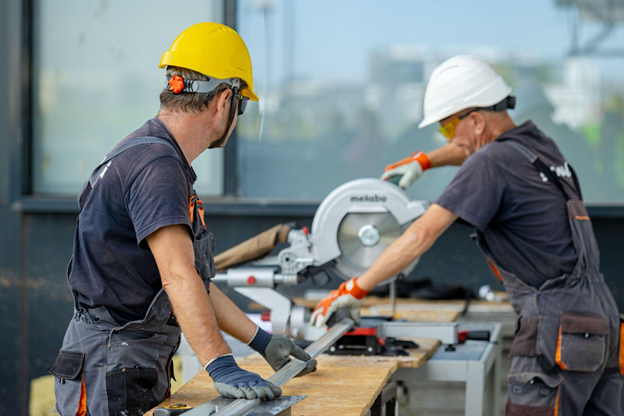
Walk onto any Australian job site during floor prep, and you will instantly notice the noise, the machinery, and the sheer effort it takes to transform a raw slab. Preparing a concrete surface properly means tackling tough coatings and uneven patches, which is why top-tier equipment like ScreedPro is so vital for modern crews aiming for clean, precise substrate preparation.
But what you cannot see during this process is often what deserves your attention the most. Microscopic dust and floating debris are constant companions when preparing concrete, and managing them properly is about far more than just keeping a tidy workplace.
Grinding, scarifying, or shot blasting away old surfaces gets the slab ready for new finishes, but these methods break down concrete into fine particles. Without proper controls, these invisible hazards hang in the air, creating health risks for your crew and potential delays for your project timeline.
The Real Cost of Dust on Your Job Site
It is easy to focus on the surface beneath your boots, but the air around you plays a huge role in the success of your build. Respirable crystalline silica dust is created whenever concrete is cut, ground, or drilled. These tiny particles stay airborne for hours, easily making their way into lungs if proper protective steps are skipped. SafeWork Australia has strict workplace exposure standards for airborne contaminants, and for good reason. Keeping your team safe requires a proactive approach rather than relying on luck.
Beyond crew health, uncontrolled dust poses a serious threat to the quality of your finished floor. Fine particles settle back onto the freshly prepped concrete, filling in the microscopic profile you just created. If you lay down an epoxy, levelling compound, or adhesive over a dust-covered slab, that coating bonds to the loose powder rather than the solid concrete beneath. Over time, this causes bubbling, peeling, and early floor failure. Clearing the air literally protects your bottom line.
Tier 1: Source Control and Modern Equipment
The most efficient way to manage dust is to capture it right at the moment of creation. Relying on a standard vacuum plugged into a hand grinder simply will not cut it on a commercial site. You need high-performance extraction units equipped with HEPA filtration that lock onto your grinding equipment.
This is where smart machinery choices transform your workflow. Equipment line-ups like ScreedPro have changed the game for modern contractors by pairing high-efficiency floor prep and levelling with controlled, clean application methods. By integrating dust extraction directly into the preparation and mixing workflow, these systems capture fine debris before it ever gets a chance to float into the room. Investing in the right technology keeps your workers breathing easy and your site running smoothly.
When working with heavy equipment, make sure your extraction units feature auto-pulsing filter cleans. Concrete dust is notorious for clogging standard filters within minutes, which drops your suction power and lets dust escape into the room. Continuous filtration keeps your airflow strong all day.
Tier 2: Containment and Air Scrubbing
Even with top-tier source extraction, some dust will inevitably try to escape. That is why site containment forms your second line of defence.
Setting up physical poly-plastic barriers isolates your work zone from the rest of the building. This simple step prevents fine dust from drifting into occupied spaces, adjacent trades, or fresh finish work nearby. Pairing these plastic walls with negative air units creates a sealed environment where air is pulled into the prep zone, passed through multi-stage filters, and exhausted safely.
Good site housekeeping keeps your containment zone working properly. Avoid dry sweeping at all costs, as a standard broom simply tosses settled micro-dust back into the breathing zone. Stick to heavy-duty HEPA vacuums or damp wiping methods to keep the floor clean between prep passes.
Tier 3: Supporting Your Crew with Proper Protection
Technology and site barriers do a fantastic job, but personal protective equipment stays your essential safety backup. Respiratory protection should match the specific hazard level of your prep work. For most concrete grinding tasks, fit-tested P2 or P3 respirators are required to block microscopic particles.
Creating a safe workplace culture means making PPE straightforward and accessible. When respirators, eye protection, and hearing gear are comfortable and readily available, using them becomes second nature for your team. Safe site practices do not slow down your schedule; they prevent accidents, protect health, and keep work moving forward without interruptions.
Building Quality Floors from the Air Down
Achieving a flawless floor installation always comes back to thorough surface preparation. By keeping air quality at the top of your site checklist, you protect your crew’s health, comply with Australian safety standards, and ensure your surface coatings bond cleanly for years to come.
When you prioritise clean preparation methods, you deliver better results for your clients while looking after the people who make the work happen. Safe, clean, and efficient surface prep is always a winning strategy on any Aussie job site.