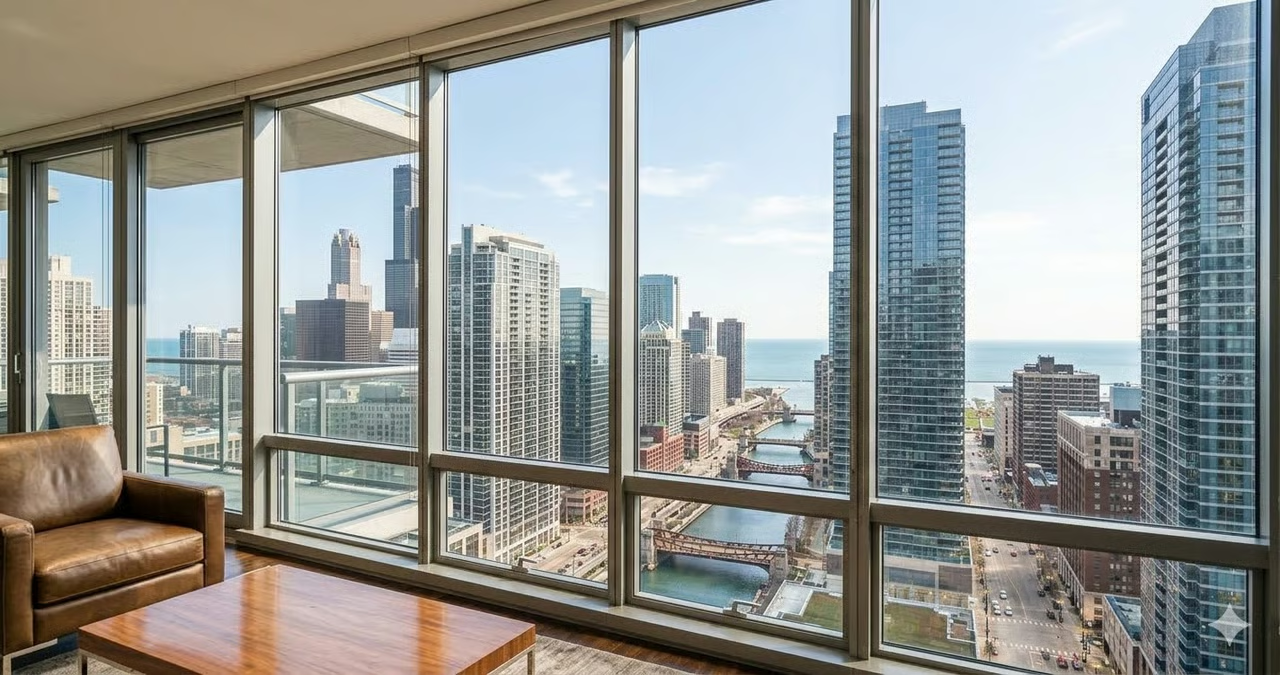
I closed on my unit in a 1920s Lincoln Park building almost two years ago, and if I am honest, I did not think much about the inspection process going in. I figured a condo was simpler than a single-family house. Smaller square footage, no roof to worry about, no yard. What I did not understand yet was that vintage Chicago high-rises come with a completely different set of problems, ones that live in the walls and the building’s shared systems rather than anything I could see walking through the unit itself.
The Shared Risers Nobody Mentioned
The first thing I wish I had known is that a condo inspection in Chicago is not the same scope as inspecting a house. My inspector could evaluate everything inside my unit: outlets, windows, the in-unit HVAC, plumbing fixtures. But he could not open up the building’s shared risers, the vertical plumbing and electrical lines that run through every floor, because those belong to the association, not to me individually. If those risers have problems, and in buildings from the 1920s through the 1960s they often do, that cost gets spread across every owner through a special assessment, not through my personal inspection report.
The Electrical Panel Surprise
The second thing was the electrical panel situation. My unit still had a Zinsco panel when I bought it, a brand that has been the subject of safety recalls for decades because the breakers can fail to trip during an overload. My inspector flagged it immediately, and I ended up negotiating a credit to replace it, which turned out to be one of the better financial decisions I made in the whole process, since I later learned some insurance carriers will not write a policy on a unit with a known-defective panel still in place.
Water Intrusion Around the Windows
Third, and this one surprised me: window condition matters enormously in older Chicago high-rises, and not just for energy bills. Water intrusion around aging window frames is one of the most common sources of hidden damage in vintage buildings, and it often shows up as staining or soft drywall well before anyone notices an actual leak. My inspector caught early staining near one window that I had genuinely never noticed, and it turned out to be an ongoing seal failure that the building had not yet addressed.
The Building’s Financial Health
Fourth, get the association’s reserve study and financial documents before your inspection contingency runs out, not after closing. This is not something a home inspector reviews, but it matters just as much. A building with a poorly funded reserve is far more likely to hit owners with large special assessments down the road, and by the time you find out, you already own the unit.
Finding an Inspector Who Actually Explains Things
Fifth, and probably the thing I would tell any friend buying in an older building: budget time for the inspection to actually explain things to you, not just hand you a report. My inspector walked me through the panel issue, the window staining, and what each item would likely cost to address, and that conversation was worth more than the written report itself. I used a home inspection company that specifically had experience with vintage Chicago buildings rather than a generalist, and I think that mattered, since someone unfamiliar with Zinsco panels or riser-related issues in older high-rises might not have known what to flag.
None of this means older buildings are a bad choice. I love my unit, and honestly the character of a prewar building was part of why I wanted it in the first place. But going in with realistic expectations about what an inspection can and cannot see in a condo, and doing the extra homework on the building’s shared systems and finances, would have saved me a fair amount of stress in those first few months of ownership.