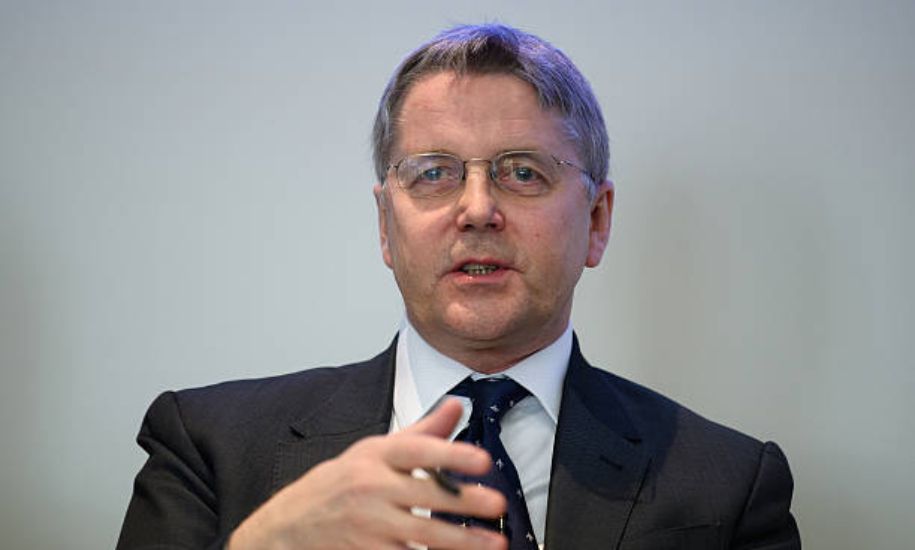
Jeremy Heywood was one of the most influential British civil servants of his generation, serving at the heart of government under four prime ministers. Although he was not an elected politician, his career placed him close to some of the most important decisions in modern British political history. From his early work at HM Treasury to his time as Cabinet Secretary and Head of the Civil Service, he became known for his experience, discretion and understanding of how Whitehall operated.
His life also attracted renewed attention after his death in 2018 and later discussions surrounding the Greensill affair. Questions about his family, career, health and legacy have continued to shape public interest in his story.
Quick Bio: Jeremy Heywood
| Detail | Information |
|---|---|
| Full name | Jeremy John Heywood |
| Born | 31 December 1961 |
| Birthplace | Glossop, Derbyshire, England |
| Died | 4 November 2018 |
| Age at death | 56 |
| Cause of death | Lung cancer |
| Profession | British civil servant |
| Education | Hertford College, Oxford; London School of Economics |
| Wife | Suzanne Heywood |
| Children | Three |
| Major role | Cabinet Secretary |
| Head of Civil Service | 2014–2018 |
| Political leaders served | Tony Blair, Gordon Brown, David Cameron and Theresa May |
| Later title | Lord Heywood of Whitehall |
Who Is Jeremy Heywood?
For anyone asking who is Jeremy Heywood, the simplest answer is that he was a senior British civil servant who spent decades working at the centre of government. Unlike cabinet ministers, civil servants generally remain politically neutral and serve governments regardless of party. Heywood became particularly notable because he advised four consecutive prime ministers.
Born in Glossop, Derbyshire, in 1961, he was educated at Bootham School in York before studying History and Economics at Hertford College, Oxford. He later completed an MSc in Economics at the London School of Economics.
His academic background in economics and public policy helped prepare him for a career involving financial policy, government administration and high-level political decision-making.
His Early Career in Government
Heywood began his civil service career as an economic adviser at the Health and Safety Executive before moving to HM Treasury. During his Treasury years, he worked on important areas including securities, markets and financial policy.
He also served as Principal Private Secretary to Chancellors Norman Lamont and Kenneth Clarke. This period gave him valuable experience of the relationship between ministers, advisers and senior officials.
His career was not limited to government. Heywood spent more than three years at Morgan Stanley, where he became a managing director and co-head of the UK Investment Banking Division. His time in the private sector broadened his understanding of financial markets before he returned to public service.
Working With Four Prime Ministers
One of the defining features of his career was his close involvement with four different prime ministers.
Under Tony Blair, Heywood served as Principal Private Secretary from 1999 to 2003. He later returned to Downing Street during Gordon Brown’s premiership and became Permanent Secretary at 10 Downing Street.
He then became Cabinet Secretary in 2012 under David Cameron. In 2014, he also became Head of the Civil Service. When Theresa May became prime minister in 2016, he continued in his senior position.
This ability to work across different administrations was central to his reputation. Heywood was valued for his institutional knowledge and his understanding of government machinery. His position also meant he was involved in discussions surrounding major national and international events.
Jeremy Heywood as Cabinet Secretary
The position of Cabinet Secretary is among the most senior roles in the British civil service. The office involves supporting the prime minister, coordinating government departments and helping ensure that the machinery of government operates effectively.
During his tenure, Heywood dealt with an exceptionally complicated political period. His career covered the aftermath of the global financial crisis, debates over Britain’s relationship with the European Union and the political changes that followed the 2016 Brexit referendum.
He was widely regarded as a discreet and experienced figure who understood the workings of Whitehall. His influence came not from public campaigning but from his ability to advise ministers and coordinate complex government business behind the scenes.
Jeremy Heywood Wife and Family Life
The Jeremy Heywood wife most closely associated with his personal and professional story is Suzanne Heywood. The couple married in 1997 and had three children.
Suzanne also developed a successful professional career of her own. Following her husband’s death, she became an important source of information about his private life and professional legacy.
The couple’s family life was generally kept away from the intense public spotlight surrounding Westminster. Contemporary profiles nevertheless offered occasional glimpses into how Heywood attempted to balance an extremely demanding career with his responsibilities as a husband and father.
Jeremy Heywood Children
The Jeremy Heywood children have largely remained private. He and Suzanne had three children, including twins.
Because the family was not part of public life in the same way as politicians or celebrities, relatively little reliable information about the children has been made public. This is an important distinction when discussing his family: his professional career is extensively documented, while the private lives of his children have generally remained outside the public domain.
His family nevertheless played an important role in commemorating his life after his death. His children were among those who took part in a Westminster Abbey service of thanksgiving held in his memory.
Jeremy Heywood Cause of Death
The question of Jeremy Heywood cause of death has become an important part of accounts of his life. He died on 4 November 2018 at the age of 56 after being diagnosed with lung cancer.
His illness became publicly known during the final period of his civil service career. In 2018, he took a leave of absence because of his health and subsequently stepped down from his official responsibilities.
He formally retired on health grounds shortly before his death.
The news of his passing led to tributes across British politics and the civil service. The fact that he had worked with four prime ministers underlined the breadth of his contribution to government.
Jeremy Heywood Death and Legacy
The Jeremy Heywood death in November 2018 marked the end of a career that had lasted several decades. His contribution was remembered not only through political tributes but also through a Westminster Abbey service of thanksgiving.
He was also honoured with a life peerage, becoming Lord Heywood of Whitehall. He received the Knight Grand Cross of the Order of the Bath, one of the highest honours available within the British honours system.
His legacy is particularly significant because much of his work happened away from cameras and election campaigns. He represented the traditional role of the senior civil servant: providing continuity, expertise and institutional memory as elected governments changed.
Jeremy Heywood Book and Personal Legacy
A key source for understanding his life is the book What Does Jeremy Think?: Jeremy Heywood and the Making of Modern Britain, written by his wife, Suzanne Heywood.
The book provides an insider perspective on his career and his relationships with successive governments. It explores his experiences around major episodes in British history, including the 1992 currency crisis, the Iraq War, the financial crisis and Brexit.
The title reflects a phrase reportedly associated with his role inside government. Colleagues and ministers valued his judgement, and his opinion could carry considerable weight during complicated policy discussions.
For readers interested in the person behind the official title, the book offers a more personal perspective than a conventional political biography.
Jeremy Heywood and Greensill
Another important aspect of his later public legacy is his association with the Greensill affair. Heywood had known financier Lex Greensill from his earlier time in the financial sector, and Greensill subsequently gained access to senior government figures.
The controversy became prominent after Heywood’s death, meaning he was not alive to respond personally to the later public debate and investigations.
His widow, Suzanne Heywood, strongly defended his reputation and disputed aspects of the criticism directed toward him. For that reason, accounts of the Greensill connection should distinguish between documented events, later investigations and claims made by individuals involved.
The controversy remains part of the wider story surrounding his public career, but it should not overshadow the many years he spent working across British government.
Jeremy Heywood Young: His Early Ambitions
Looking at Jeremy Heywood young provides useful context for understanding how he eventually reached the highest levels of Britain’s civil service. His education combined history with economics, while his early professional experience developed his expertise in government finance and administration.
Rather than pursuing a career as a public political figure, he followed the civil service route. Over time, his specialist knowledge and ability to work with different political administrations allowed him to rise through increasingly senior positions.
His career demonstrates how senior civil servants can exert significant influence without holding elected office.
A Lasting Influence on British Government
Jeremy Heywood’s career illustrates the importance of experienced civil servants within Britain’s constitutional system. He worked through periods of political disagreement, economic uncertainty and institutional change while maintaining a career that crossed party and leadership boundaries.
His service under Tony Blair, Gordon Brown, David Cameron and Theresa May made him an unusually well-connected figure in modern Whitehall. His family, colleagues and former political leaders continued to recognise that contribution after his death.
For readers of Insider Newz, his story offers more than a biography of one government official. It provides a look at how modern British government operates behind the scenes and why senior civil servants can become influential figures even when they rarely appear in public political debate.