If you’ve scrolled through social media any time in the last two years, you’ve probably seen someone talking about a weekly injection that curbs appetite, helps with blood sugar, and in some cases leads to significant weight loss. That’s the GLP-1 drug class, and despite how it gets talked about online, the actual mechanism behind it is not complicated once you break it down.
The Hormone Your Body Already Makes
Your gut already makes a hormone called GLP-1, short for glucagon-like peptide-1, every time you eat. It does three things: tells your pancreas to release insulin, slows down how fast food leaves your stomach, and sends a signal to your brain that you’re full. The problem is that your body only makes it for a few minutes at a time before an enzyme breaks it down. GLP-1 medications are built to resist that breakdown, so instead of a few minutes of effect, you get days of it from a single dose.
That’s really the whole trick. It’s not a fat burner, and it’s not suppressing your appetite through stimulants the way older weight loss drugs did. It’s working with a hormone your body already produces, just keeping it active longer than nature intended.
Blood Sugar vs. Weight Loss
For people with type 2 diabetes, the insulin release piece is the main draw, since it helps lower blood sugar without the same risk of dangerous lows that some other diabetes medications carry. For people using GLP-1 medications specifically for weight management, the appetite and fullness effects are the bigger factor, and clinical trials have shown meaningful average weight loss across the study period, though results vary a fair amount from person to person.
How the Injections Actually Work
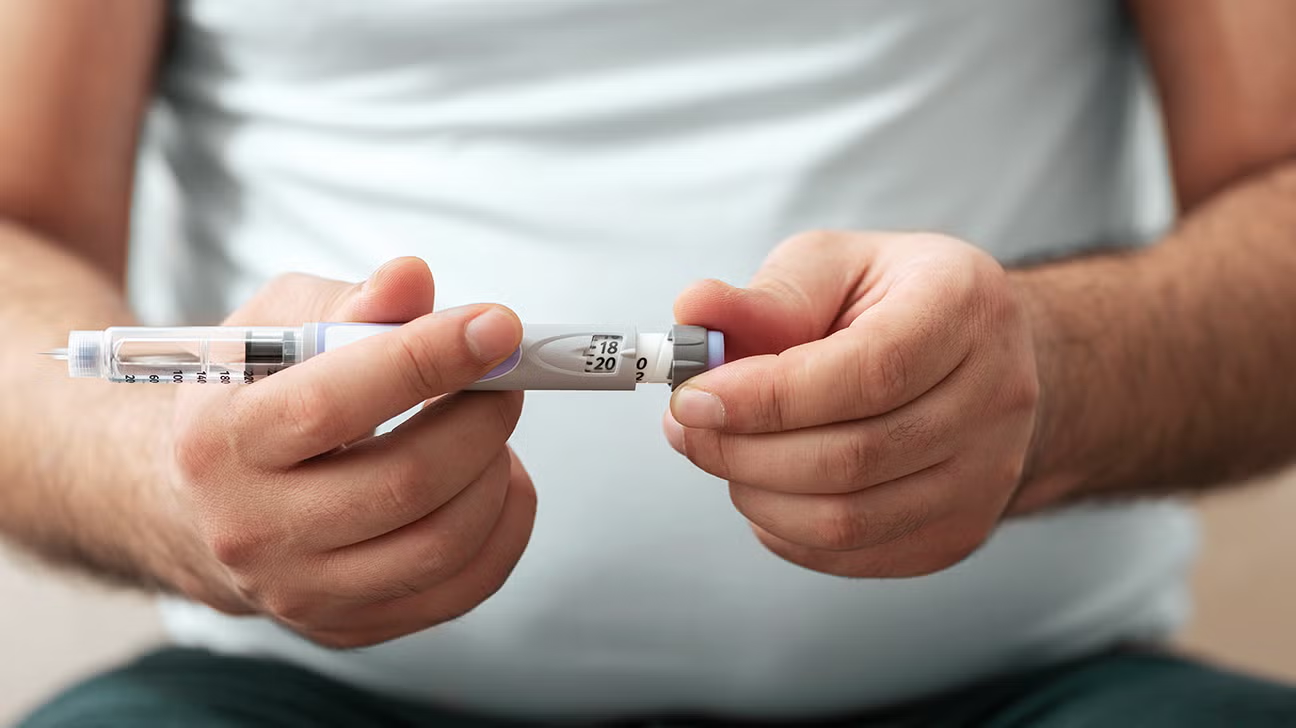
The injections themselves are usually weekly, self-administered with a pre-filled pen, and doctors typically start patients on a low dose and increase it gradually over a few months. That slow ramp-up matters, since jumping straight to a full dose is a big part of why some people experience rough nausea in the first few weeks. Most people who stick with the gradual dosing schedule report the side effects settling down as their body adjusts.
The Cost and Coverage Problem
Where it gets complicated is cost and access. These medications are expensive without insurance coverage, often over a thousand dollars a month depending on the specific drug and dose, and coverage rules differ quite a bit depending on whether you’re being prescribed it for diabetes or for weight loss alone. Insurers have historically been more willing to cover it when there’s a diabetes diagnosis attached, though that’s slowly shifting as more employer plans add weight management coverage. If you’re trying to figure out what your specific plan covers, checking directly with your insurer, rather than assuming based on what a friend’s plan covers, is worth the phone call, since plan tiers and employer group differences change the answer more than people expect. Some united health care members find their exact coverage details, including any required prior authorization steps, are easier to sort out with a benefits specialist than by reading the plan document alone.
The Bottom Line
It’s also worth saying plainly: this drug class is not a shortcut that replaces the basics of diet and activity, even for people who see strong results. It’s a tool that changes how your body responds to those basics, particularly around appetite and blood sugar regulation, and like any medication, the decision to start one should happen with a doctor who knows your full medical history, not from a social media post or a friend’s experience. But understanding the actual mechanism, a hormone your body already makes, just extended in how long it stays active, makes the whole conversation a lot less mysterious than the online chatter around it might suggest.