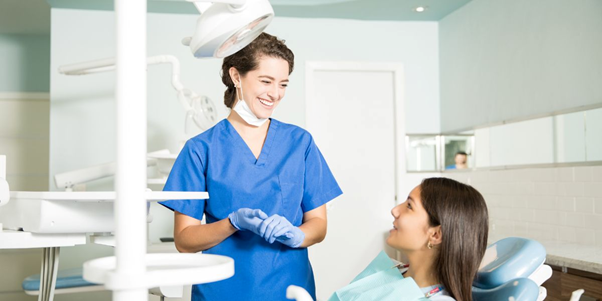
Brushing and flossing at home feels thorough, but there’s a reason dentists still recommend regular hygienist visits on top of a solid home routine. Certain buildup and early warning signs simply can’t be caught or removed without professional tools and training. If you’ve been weighing up how often to book with a dental hygienist Lower Hutt locals see regularly, here’s exactly what these visits accomplish and why skipping them tends to catch up with people eventually.
At a Glance: Why Hygienist Visits Matter
- Professional cleaning removes hardened tartar that brushing and flossing at home simply can’t reach.
- Hygienists catch early signs of gum disease before symptoms become noticeable to the patient.
- Regular visits reduce the risk of cavities forming in hard-to-reach areas.
- Hygienist appointments often include personalised advice for improving your specific home routine.
- Consistent visits tend to catch small issues before they become bigger, costlier problems.
What Does a Dental Hygienist Actually Do?
A dental hygienist specialises in preventive oral care, focusing on cleaning teeth thoroughly, checking gum health, and educating patients on maintaining good habits between visits. This role is distinct from a dentist’s, who typically handles diagnosis and treatment of specific dental issues.
During a typical visit, a hygienist removes plaque and tartar, checks for early signs of gum disease, and often provides guidance specific to a patient’s particular brushing and flossing technique. This combination of cleaning and education is central to preventing bigger problems down the line.
How Is a Hygienist Different from a Dentist?
A hygienist focuses primarily on preventive care, cleaning, and patient education, while a dentist handles diagnosis, fillings, extractions, and other treatment-based procedures. Many clinics have patients alternate between hygienist cleanings and dentist check-ups, working together as part of a complete care routine.
Why Home Brushing Alone Isn’t Enough
Even with excellent brushing and flossing habits, plaque can harden into tartar within days if it isn’t fully removed, and once hardened, only professional tools can remove it. This is one of the clearest reasons home care alone doesn’t fully replace regular hygienist visits.
Tartar buildup, left unaddressed, creates a rough surface that attracts even more plaque, creating a cycle that gradually worsens gum health if it isn’t professionally interrupted. A hygienist breaks this cycle during each cleaning, resetting the surface of your teeth to a smoother, healthier state.
How Quickly Does Plaque Turn Into Tartar?
Plaque can begin hardening into tartar within roughly 24 to 72 hours if it isn’t removed through consistent brushing and flossing. Once this hardening happens, brushing alone can no longer remove it, which is exactly why professional cleanings play such a key role in maintaining oral health.
Catching Gum Disease Before It Becomes Noticeable
Gum disease often develops silently in its early stages, called gingivitis, without causing obvious pain or discomfort that would prompt someone to seek care on their own. A hygienist can spot early signs like slight redness, swelling, or minor bleeding during a routine check that a patient might not notice or think significant.
Catching gingivitis early makes it far easier to reverse through improved home care and professional cleaning, compared to addressing more advanced gum disease later. This early detection is one of the most valuable parts of maintaining regular hygienist visits.
What Happens If Gum Disease Goes Undetected?
Untreated gingivitis can progress to periodontitis, a more advanced stage of gum disease that can affect the bone supporting your teeth and is significantly harder to reverse. Regular hygienist visits are one of the more effective ways to catch this progression early, before it reaches a stage requiring more involved treatment.
Reducing Cavity Risk in Hard-to-Reach Areas
Certain areas of the mouth, particularly between teeth and along the gumline, are naturally harder to clean thoroughly with just a toothbrush at home. Hygienists use specialised tools designed to reach these tighter spaces more effectively than typical home care allows.
This targeted cleaning reduces the buildup that commonly leads to cavities in these specific areas, complementing rather than replacing daily brushing and flossing. Combined, professional and home care cover a much broader range of the mouth than either approach alone.
Are Some People More Prone to Cavities Between Teeth?
Yes, factors like tooth spacing, alignment, and individual brushing technique can all influence how much plaque tends to build up between teeth specifically. A hygienist can identify if this is a particular risk area for you and offer specific guidance, such as recommending floss picks or interdental brushes suited to your tooth spacing.
Personalised Guidance for Your Home Routine
Beyond cleaning, hygienist visits often include practical feedback on your specific brushing and flossing technique, since even well-intentioned home care can miss certain spots consistently. This guidance is far more specific than general advice found online, since it’s based directly on your own mouth and habits.
A hygienist might notice a particular area you consistently miss while brushing or suggest a different tool better suited to your tooth spacing or gum sensitivity. This kind of individual, specific feedback tends to improve home care meaningfully over time.
Can a Hygienist Recommend Specific Products?
Yes, hygienists often recommend specific toothbrush types, floss products, or mouth rinses based on an individual’s particular needs, such as sensitivity, gum recession, or difficulty reaching certain areas. This guidance can be more useful than general product recommendations, since it accounts for your specific oral health situation.
How Often Should You See a Hygienist?
Most people benefit from a hygienist visit every six months, aligning with the general recommendation for dental check-ups, though some patients need more frequent visits based on individual risk factors. Gum disease history, smoking, or certain health conditions can all increase the recommended frequency.
Anyone searching for a dental hygienist Lower Hutt clinic to establish a regular schedule should expect their provider to suggest a personalised interval based on their specific oral health, rather than a one-size-fits-all recommendation. This individual approach tends to produce better long-term results than following a generic schedule regardless of personal risk factors.
Does Everyone Need the Same Visit Frequency?
No, people with a history of gum disease, frequent cavities, or certain health conditions like diabetes often benefit from more frequent hygienist visits, sometimes every three to four months rather than the standard six-month interval. A hygienist or dentist can recommend the right frequency based on your specific oral health profile.
What Happens If You Skip Regular Hygienist Visits?
Skipping hygienist visits doesn’t cause immediate harm, but it does mean tartar buildup, early gum disease, and small cavities have more time to progress before being caught. Over time, this often leads to more involved and costly treatment than would have been needed with consistent preventive care.
This delay effect is one of the more compelling reasons to stick with regular visits even when everything feels fine at home. Prevention consistently proves less disruptive and less costly than addressing advanced problems later.
Frequently Asked Questions
How often should I see a dental hygienist?
Most people benefit from a visit every six months, though some patients with specific risk factors like gum disease history may need more frequent visits. A hygienist or dentist can recommend the right interval based on your individual oral health.
What’s the difference between a hygienist cleaning and brushing at home?
A hygienist can remove hardened tartar using professional tools, which brushing and flossing at home cannot address once plaque has hardened. This professional cleaning complements, rather than replaces, a consistent home care routine.
Can a hygienist tell if I have gum disease before I notice symptoms?
Yes, hygienists are trained to spot early signs of gum disease, like slight redness or minor bleeding, that a patient might not notice or consider significant. Catching these signs early makes gum disease significantly easier to reverse.
Is it worth seeing a hygienist if I already brush and floss consistently?
Yes, even excellent home care can’t remove hardened tartar or fully clean certain hard-to-reach areas the way professional tools can. Regular hygienist visits complement good home habits rather than becoming unnecessary because of them.
What happens during a typical hygienist appointment?
A typical visit includes professional cleaning to remove plaque and tartar, a check of gum health, and often personalised guidance on improving your specific brushing and flossing technique. Appointments usually take 30 to 45 minutes depending on your specific needs.
Conclusion
Regular dental hygienist visits fill a gap that home brushing and flossing simply can’t close on their own, from removing hardened tartar to catching early signs of gum disease before they progress. These visits work alongside a solid home routine rather than replacing it, creating a more complete approach to long-term oral health. If it’s been a while since your last hygienist appointment, booking one is a practical step toward catching any small issues before they become bigger ones.