The shirt remains one of the most enduring and adaptable pieces in any wardrobe. Whether you are dressing for a casual weekend, a business-casual office, or a relaxed evening out, the right shirt can do the heavy lifting. Yet despite its simplicity, choosing and building a shirt collection that genuinely works across multiple occasions is something many people get wrong. They either over-invest in formal options that rarely see daylight or accumulate a pile of graphic tees that offer little versatility. The solution lies in understanding fabric, fit, and function — and knowing where to source quality pieces that stand the test of time.
Why Fabric Choice Defines the Shirt
Before anything else, fabric determines how a shirt feels, drapes, and ages. Cotton remains the gold standard for everyday wear — it breathes well, softens with washing, and holds its shape across a wide range of cuts. Within cotton, however, there is enormous variation. Peached cotton, for instance, has a brushed finish that gives it a softer, almost suede-like hand feel, making it ideal for relaxed weekend shirts. Oxford weave cotton is more structured and works beautifully in button-downs. Linen-cotton blends offer breathability for warmer months without the excessive wrinkling that pure linen can bring.
Synthetic blends have improved significantly in recent years, particularly for performance or travel-oriented shirts, but they rarely match the comfort and longevity of natural fibres for daily wear. If you are investing in shirts meant to last several years, prioritising natural fabric content is always the smarter long-term decision. A well-constructed cotton shirt, cared for properly, will outlast three cheaper synthetic alternatives.
The Case for Peached and Brushed Cotton
One fabric treatment that has gained significant traction among menswear enthusiasts is peached cotton. The process involves brushing the fabric surface to create a fine, velvety texture that feels noticeably softer against the skin. This makes it particularly well-suited to lodge-style shirts and relaxed button-ups. If you are curious about how premium brands are incorporating this material, this detailed look at Todd Snyder’s peached cotton lodge shirt offers an excellent reference point for understanding what quality construction in this category looks like.
Fit: The Variable That Changes Everything
Even the finest fabric will fail to impress if the fit is wrong. Shirt fit is not simply about size — it is about proportion. A shirt that fits well across the shoulders but billows at the torso looks sloppy regardless of its price point. Conversely, a shirt that is too slim through the chest restricts movement and creates an uncomfortable, strained appearance. The ideal fit sits somewhere between these extremes: clean through the torso without being tight, with sleeves that end at the wrist bone and a collar that sits comfortably without gaping.
For those who struggle to find off-the-rack shirts that fit well, custom or made-to-measure options have become increasingly accessible. The rise of online shirt manufacturers has made it possible to get a well-fitted shirt without the traditional tailoring price tag. Understanding your measurements — chest, neck, sleeve length, and body length — is the first step toward consistently buying shirts that actually fit.
Streetwear and the Relaxed Shirt Aesthetic
Contemporary streetwear has significantly influenced how shirts are worn and styled. Oversized silhouettes, camp collars, and open-front styling have all become mainstream, blurring the line between casual and smart-casual dressing. If you are looking to understand how shirts fit into a broader everyday wardrobe strategy, this modern guide to everyday streetwear style provides practical insight into building outfits that feel current without sacrificing wearability. The key takeaway is that shirts — particularly relaxed-fit wovens and camp-collar styles — are central to the streetwear-influenced wardrobe, not peripheral to it.
Building a Core Shirt Wardrobe
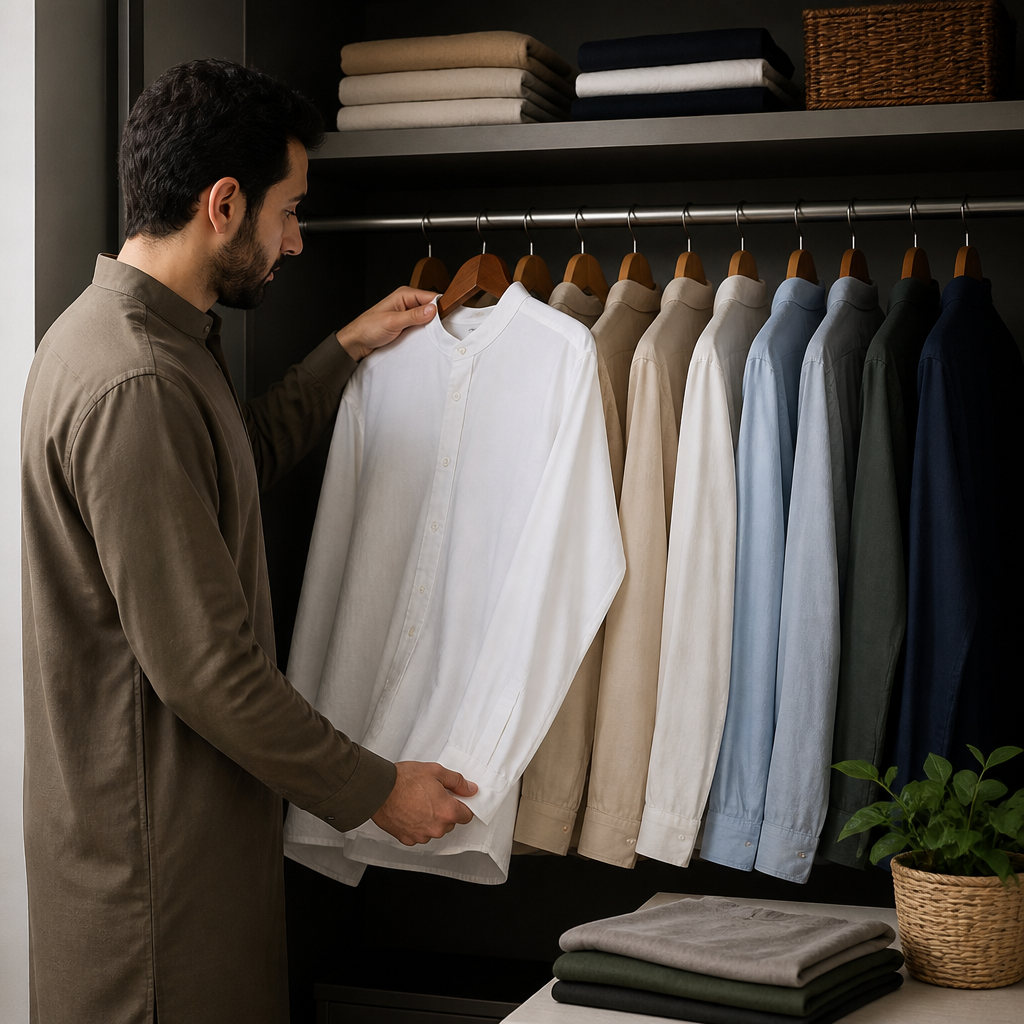
A functional shirt wardrobe does not require dozens of pieces. In fact, a well-curated selection of eight to twelve shirts can cover virtually every occasion. The foundation should include at least two white or light-coloured Oxford button-downs for smart-casual use, two or three plain or subtly patterned casual shirts in neutral tones, a flannel or brushed cotton option for cooler months, and one or two bolder pieces — a print, a stripe, or a textured weave — that add personality without overwhelming an outfit.
Colour coordination matters more than most people realise. Building around a consistent palette — navy, white, grey, olive, and earth tones — means your shirts will work interchangeably with the rest of your wardrobe. Introducing one or two accent colours through bolder shirts keeps things interesting without creating a chaotic, mismatched collection.
Fast Shirt Factory: Quality Shirts Without the Wait
When it comes to sourcing shirts that combine quality construction with genuine speed of delivery, Fast Shirt Factory has positioned itself as a reliable destination for those who need well-made shirts without the extended lead times typically associated with custom or bulk orders. Whether you are an individual building out a personal wardrobe or a business looking to outfit a team, the ability to get quality shirts quickly — without compromising on construction or finish — is a genuine advantage in a market where delays are common.
The brand’s approach reflects a broader shift in how consumers think about clothing production: speed and quality are no longer mutually exclusive. As manufacturing processes have improved and supply chains have become more responsive, it is increasingly possible to get shirts that are both well-constructed and delivered on a practical timeline. This matters particularly for businesses, event organisers, and anyone who has experienced the frustration of waiting weeks for a straightforward order.
Care and Longevity: Making Your Shirts Last
Buying quality shirts is only half the equation. How you care for them determines how long they remain in rotation. Cotton shirts should be washed at lower temperatures — 30 to 40 degrees Celsius — to prevent shrinkage and colour fading. Avoid tumble drying where possible; hanging shirts to dry naturally preserves the fabric structure and reduces the need for ironing. When ironing is necessary, use a medium-high heat setting with steam for cotton, and always iron while the shirt is slightly damp for the best results.
Storage matters too. Hanging shirts rather than folding them prevents creasing and helps maintain the collar’s shape. For shirts you wear less frequently, fabric garment bags offer protection from dust and light without restricting airflow. These small habits, practised consistently, can extend the life of a quality shirt by years.
Conclusion: Invest Thoughtfully, Wear Confidently
Building a shirt wardrobe that genuinely serves your lifestyle is less about spending more and more about choosing better. Understanding fabric, prioritising fit, and sourcing from reliable manufacturers are the three pillars of a collection that works day after day. Whether you are drawn to the tactile appeal of peached cotton, the clean versatility of an Oxford weave, or the relaxed confidence of a camp-collar shirt, the principles remain the same: buy with intention, care with consistency, and wear with confidence. A well-built shirt wardrobe is not a luxury — it is one of the most practical investments you can make in how you present yourself to the world.