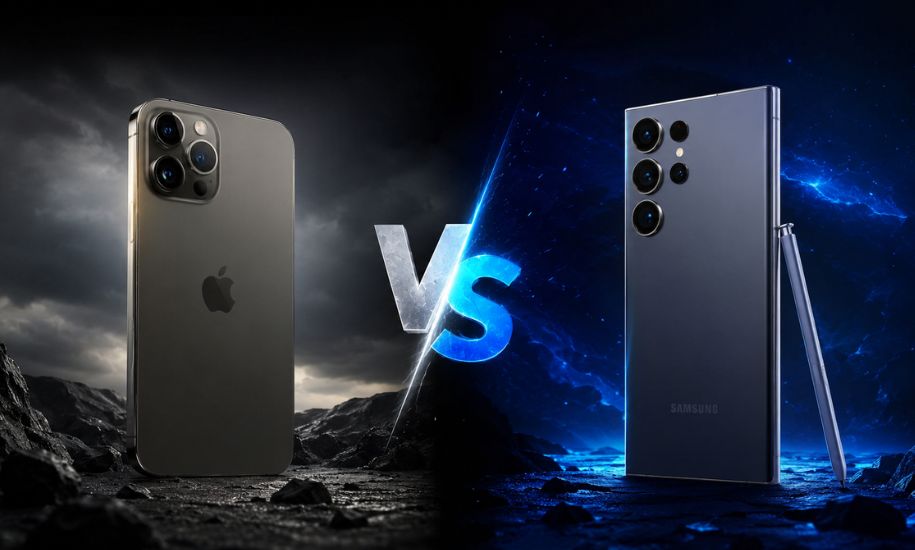
Choosing between Apple and Samsung has been one of the biggest decisions for smartphone buyers for years. Both brands consistently push the boundaries of mobile technology, offering premium devices packed with innovative features, powerful processors, and advanced cameras. While Apple focuses on delivering a seamless ecosystem and refined user experience, Samsung emphasizes versatility, customization, and cutting-edge hardware. The right choice depends on how you use your phone, your budget, and the features you value most. This detailed comparison explores every major aspect to help you make an informed decision.
Operating System and User Experience
One of the biggest differences between these two brands is their operating systems.
Apple devices run on iOS, which is known for its clean interface, consistent performance, and smooth integration across Apple products. The software experience remains nearly identical across supported devices, making upgrades familiar and straightforward.
Samsung smartphones use Android with its One UI interface. This software offers far greater flexibility, allowing users to customize themes, widgets, layouts, and settings according to their preferences. Power users often appreciate the additional control available on Samsung devices.
For users who prefer simplicity, iOS is an excellent option. Those who enjoy personalizing their smartphone experience may find Samsung’s software more appealing.
Design and Build Quality
Both manufacturers produce beautifully designed smartphones with premium materials.
Apple has maintained a recognizable design language that focuses on minimalism, precision, and durability. Flagship iPhones feature aluminum or titanium frames combined with durable glass construction and excellent water resistance.
Samsung offers a wider variety of designs, including traditional smartphones and innovative foldable models. Slim bezels, curved displays on some devices, and multiple color choices give buyers more flexibility.
Build quality is exceptional from both companies, making design largely a matter of personal taste.
Display Technology
Samsung has long been recognized as an industry leader in smartphone display technology.
Its Dynamic AMOLED displays deliver vibrant colors, deep blacks, high brightness levels, and excellent outdoor visibility. High refresh rates make scrolling and gaming feel incredibly smooth.
Apple’s Super Retina XDR displays are equally impressive, offering exceptional color accuracy, HDR performance, and excellent brightness. ProMotion technology on premium models provides adaptive refresh rates for a fluid experience.
Both companies produce outstanding displays, although Samsung often leads in display innovation and variety.
Performance and Speed
Modern smartphones from both brands deliver exceptional performance.
Apple designs its own processors, which are optimized specifically for iOS. This combination produces outstanding speed, excellent battery efficiency, and impressive long-term performance. Apps launch quickly, multitasking is smooth, and demanding games run effortlessly.
Samsung uses powerful flagship processors depending on the market, paired with generous RAM configurations. These devices handle gaming, productivity, and multitasking with ease while supporting advanced features like split-screen multitasking and desktop-style functionality.
For most everyday users, both brands offer more than enough processing power for years of reliable use.
Camera Comparison
Photography remains one of the biggest deciding factors when choosing a smartphone.
Apple focuses on delivering consistent image quality with natural colors, reliable autofocus, and industry-leading video recording. Features such as Cinematic Mode and advanced image processing make iPhones especially popular among content creators.
Samsung takes a different approach by offering highly versatile camera systems. High-resolution sensors, advanced zoom capabilities, impressive night photography, and AI-powered editing tools provide greater creative flexibility.
When comparing iPhone vs Samsung cameras, Apple generally excels in video quality and color consistency, while Samsung often leads in zoom performance and photographic versatility.
Battery Life and Charging
Battery performance has improved significantly for both brands.
Apple relies on software optimization and efficient hardware to maximize battery life, allowing many users to comfortably get through a full day on a single charge.
Samsung typically equips its flagship devices with larger battery capacities and faster wired charging speeds. Wireless charging and reverse wireless charging add additional convenience for users with compatible accessories.
While both brands provide dependable battery life, Samsung generally offers faster charging options.
Software Updates and Security
Long-term software support has become increasingly important.
Apple has earned a strong reputation for providing software updates to devices for many years after release. Security patches and new features are distributed simultaneously across compatible models.
Samsung has dramatically improved its update policy in recent years, offering several years of Android updates and security support for flagship smartphones. Enterprise-grade security through Samsung Knox adds another layer of protection.
Both companies now provide excellent long-term software support, giving users confidence in their investment.
Artificial Intelligence Features
Artificial intelligence has become an important part of modern smartphones.
Apple continues expanding its AI capabilities through Apple Intelligence, introducing writing assistance, image editing tools, smarter notifications, and more capable voice assistance.
Samsung has invested heavily in Galaxy AI, offering features such as Live Translate, Circle to Search, AI-powered photo editing, Note Assist, and intelligent productivity tools.
These AI capabilities continue to evolve rapidly and enhance everyday smartphone use without requiring additional apps.
Ecosystem Integration
The surrounding ecosystem often influences purchasing decisions as much as the smartphone itself.
Apple has built one of the most seamless ecosystems available. Devices such as Mac, iPad, Apple Watch, and AirPods work together effortlessly through features like AirDrop, Handoff, FaceTime, and iCloud synchronization.
Samsung also provides a strong ecosystem with Galaxy Watches, Galaxy Buds, Galaxy tablets, SmartThings smart home integration, and Samsung DeX, which transforms compatible phones into desktop-like workstations.
Users already invested in one ecosystem often experience greater convenience by remaining within that brand.
Customization and Productivity
Samsung offers considerably more flexibility for users who enjoy customizing their smartphones.
Home screen layouts, themes, icons, widgets, multitasking options, and advanced settings allow users to personalize nearly every aspect of the device.
Apple favors consistency over extensive customization. Although iOS has become more flexible in recent years, it still maintains a carefully controlled user experience designed for simplicity and reliability.
Professionals who multitask extensively may appreciate Samsung’s productivity-focused features, while users seeking an uncomplicated interface may prefer Apple’s streamlined approach.
Pricing and Overall Value
Apple primarily competes in the premium smartphone segment. Although initial purchase prices are often higher, iPhones generally maintain strong resale values, reducing the long-term cost of ownership.
Samsung offers smartphones across virtually every price range, from affordable entry-level devices to premium flagship models and foldable phones. Frequent promotional discounts make Samsung devices particularly attractive for value-conscious buyers.
This wide product lineup allows consumers to choose a device that matches both their needs and budget.
Pros and Cons
Advantages of Apple
- Outstanding processor performance
- Excellent video recording
- Long software support
- High resale value
- Smooth ecosystem integration
- Consistent user experience
Advantages of Samsung
- Greater customization
- Exceptional display technology
- Advanced zoom photography
- Faster charging
- Wider range of devices
- Innovative foldable smartphones
Which Brand Should You Choose?
The decision ultimately comes down to your priorities.
Choose Apple if you value long-term software support, exceptional video recording, strong privacy features, and seamless integration with other Apple products.
Samsung is an excellent choice for users who appreciate customization, advanced camera versatility, larger displays, faster charging, and greater flexibility across different price points.
Neither brand is objectively superior in every category. Instead, each excels in different areas that appeal to different types of smartphone users.
Final Thoughts
The debate between iPhone vs Samsung continues because both companies consistently produce some of the world’s best smartphones. Apple delivers a polished, reliable, and highly integrated experience, while Samsung stands out with innovation, customization, display quality, and hardware versatility. Carefully considering your daily habits, preferred software, and budget will help you select the smartphone that best fits your lifestyle. At Insider Newz, we continue to provide detailed technology comparisons and buying guides to help readers make confident purchasing decisions.




