Mitsubishi Precision: Driving Innovation in Aerospace, Simulation, and Advanced Engineering

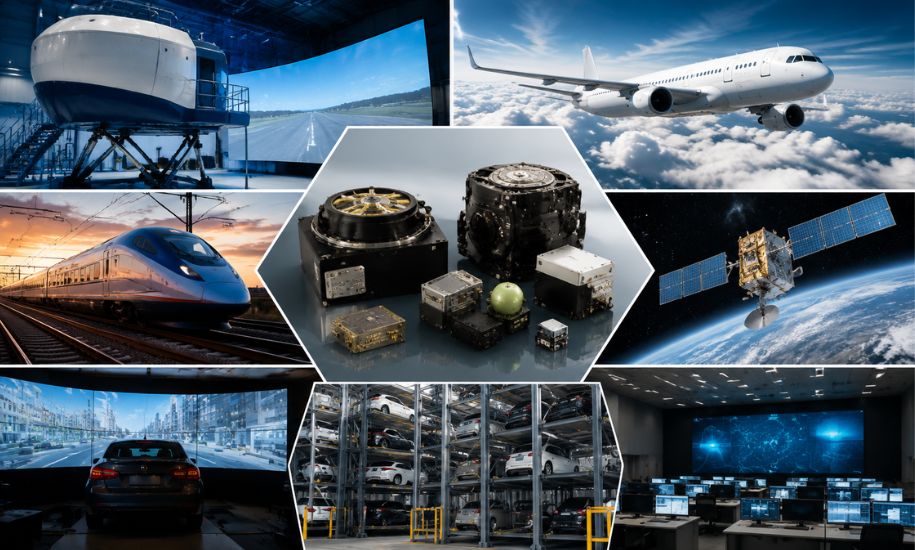
Technology plays a crucial role in shaping industries such as aviation, defence, transportation, and space exploration. Among the companies contributing to these fields is Mitsubishi Precision, a Japanese engineering firm recognised for its expertise in precision electronics, simulation systems, and navigation technologies. Since its establishment in the early 1960s, the company has built a reputation for delivering reliable, high-performance solutions that support mission-critical operations across Japan and beyond. Its commitment to innovation has enabled it to remain an important part of the country’s advanced manufacturing and aerospace sectors.
Quick Bio
| Information | Details |
|---|---|
| Company Name | Mitsubishi Precision Co., Ltd. |
| Founded | 11 May 1962 |
| Headquarters | Minato-ku, Tokyo, Japan |
| Industry | Aerospace, Electronics, Simulation Systems |
| Parent Group | Mitsubishi Group |
| President & CEO | Kenji Wakana |
| Primary Business | Flight simulators, navigation systems, aerospace equipment, parking systems |
| Employees | Approximately 840+ |
The History Behind the Company
Founded in 1962, the company was initially created through a collaboration between several Mitsubishi Group companies and an American technology partner. Its original objective was to develop sophisticated flight simulators and navigation equipment for Japan’s growing aviation industry.
As technology advanced, the company expanded its expertise into aerospace engineering, satellite systems, railway simulation, and intelligent infrastructure solutions. Over the decades, it evolved from a specialised simulator manufacturer into a diversified engineering company serving multiple high-tech industries.
Today, it continues to invest in research and development while supporting government agencies, transportation providers, and commercial organisations with dependable engineering solutions.
Aerospace Engineering and Aviation Technologies
One of the company’s strongest areas of expertise lies in aerospace engineering. It develops advanced electronic systems that help aircraft operate safely and efficiently under demanding conditions.
Its aviation portfolio includes inertial navigation systems, attitude reference equipment, motion sensors, and guidance technologies designed for commercial and defence applications. These systems assist pilots by providing accurate positioning and orientation data throughout a flight.
Reliability is essential in aviation, and every component must perform consistently in challenging environments. The company’s engineering standards reflect this requirement, making its products trusted for applications where precision cannot be compromised.
Advanced Flight Simulation Solutions
Simulation technology has become an essential part of pilot training, allowing aviation professionals to practise procedures without the risks associated with real aircraft.
The company designs sophisticated flight simulators that recreate realistic cockpit environments, weather conditions, emergency situations, and aircraft behaviour. These systems help pilots improve their decision-making skills while reducing training costs and increasing operational safety.
Modern simulators are also valuable for airline operators because they allow crews to complete mandatory training without interrupting aircraft schedules. Continuous improvements in graphics, motion systems, and data processing have made these training platforms increasingly realistic.
Supporting Railway Transportation
Beyond aviation, Mitsubishi Precision has established itself as a respected developer of railway simulation technology. Railway operators use these systems to prepare drivers and conductors for both routine operations and emergency scenarios.
Simulation allows trainees to experience realistic operating conditions while learning to respond to unexpected situations such as equipment failures, weather disruptions, and passenger emergencies.
As urban transportation networks become more complex, these training systems contribute to improved operational efficiency and passenger safety.
Contributions to Space Technology
Japan’s growing space programme has created demand for highly specialised engineering expertise. The company has contributed to this field by developing equipment used in satellites, launch vehicles, and other space-related projects.
Its technologies include guidance systems, inertial measurement units, reaction wheels, and satellite control equipment designed to function reliably in extreme environments.
Space missions require exceptional precision because even minor errors can significantly affect mission success. By producing dependable aerospace components, the company supports scientific research, weather monitoring, communications, and national infrastructure.
Precision Navigation Systems
Accurate navigation remains one of the most important aspects of both aviation and aerospace engineering.
The company develops navigation technologies capable of measuring movement, orientation, and positioning with remarkable accuracy. These systems combine gyroscopes, accelerometers, and advanced processing software to provide continuous guidance even when external signals become unavailable.
Such technologies are used across numerous industries, including military aviation, commercial aircraft, maritime applications, and space missions.
Intelligent Parking and Infrastructure Solutions
Although aerospace remains one of its most recognised business areas, the company has also expanded into intelligent infrastructure.
Its parking management systems combine automation, electronic payment technologies, vehicle guidance, and access control to improve efficiency in commercial facilities.
These solutions help reduce congestion, simplify vehicle management, and enhance customer convenience. Smart parking technology has become increasingly important as cities seek more effective ways to manage growing traffic volumes.
Research, Innovation, and Engineering Excellence
Innovation has always been central to the company’s development strategy. Engineers continually work on improving sensor technologies, simulation software, electronic control systems, and motion platforms to meet evolving industry requirements.
Investment in research enables the company to adapt to changing technological demands while maintaining high standards of reliability and performance. Continuous product development also supports emerging industries such as autonomous transportation, advanced aviation systems, and next-generation aerospace technologies.
Its emphasis on engineering excellence has helped establish long-term relationships with government agencies, transportation operators, and industrial partners.
Global Reputation and Industry Impact
Although based in Japan, the company’s technologies have been supplied to organisations in several international markets. Flight simulators, railway training systems, and specialised navigation equipment have supported customers across Asia and other regions.
Its ability to combine precision engineering with practical applications has strengthened its reputation within industries that require dependable performance under demanding conditions.
As transportation systems become increasingly digital and interconnected, the company’s expertise remains relevant for both traditional engineering projects and future technological developments.
Looking Ahead
Future trends such as artificial intelligence, autonomous transportation, digital simulation, and commercial space exploration are expected to increase demand for sophisticated engineering solutions.
The company is well positioned to contribute to these advancements through ongoing research in simulation, sensor technology, navigation systems, and aerospace electronics. By combining decades of engineering experience with continuous innovation, it is prepared to support the next generation of transportation and space technologies.
Its long history demonstrates how specialised engineering can evolve alongside rapidly changing industries while maintaining a strong commitment to quality, safety, and technological advancement.
Conclusion
From flight simulators and aerospace electronics to railway training systems and intelligent infrastructure, Mitsubishi Precision has established itself as a respected engineering company with decades of experience in precision technology. Its contributions continue to influence aviation, transportation, and space exploration while supporting safer and more efficient operations across multiple industries. As technology continues to advance, companies with specialised expertise like this one will remain essential to shaping the future of global engineering. At Insider Newz, we continue to explore influential organisations and technological innovations that are transforming industries around the world.



