Creating a comfortable indoor environment requires more than simply installing a heating or cooling system. Modern property owners are looking for solutions that provide dependable performance, lower energy consumption, and long-term value without sacrificing comfort. Among today’s most efficient climate control technologies, the heat pump has become one of the most popular choices for residential and commercial properties alike. Designed to provide both heating and cooling from a single system, this advanced technology offers impressive versatility while helping reduce overall operating costs.
Unlike conventional furnaces or air conditioners that generate heat or rely on separate systems for different seasons, a heat pump transfers heat from one location to another. During colder months, it extracts available heat from the outdoor air and moves it indoors. During warmer weather, the process reverses, removing indoor heat and releasing it outside. This energy-efficient approach allows the system to maintain comfortable indoor temperatures throughout the year while using significantly less energy than many traditional heating methods.
As demand for sustainable and cost-effective climate control continues to grow, heat pumps have become an excellent option for homeowners and business owners seeking dependable comfort, improved indoor air quality, and lower utility expenses.
Understanding How a Heat Pump Works
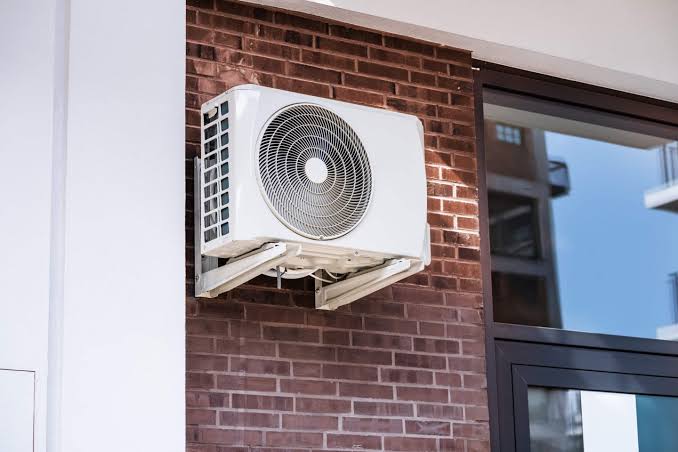
Although the technology behind a heat pump is highly advanced, the operating principle is surprisingly straightforward. Instead of producing heat directly through combustion or electric resistance, the system transfers existing heat using refrigerant and specialized mechanical components.The system consists of an indoor unit, an outdoor unit, refrigerant lines, expansion valves, evaporator coils, condenser coils, compressors, and advanced electronic controls. During heating mode, refrigerant absorbs heat from the outdoor environment and carries it indoors, where the heat is released into the building through the indoor coil. Even when outdoor temperatures feel cold, enough thermal energy remains available for the system to operate efficiently.When cooling is needed, the refrigeration cycle simply reverses. Indoor heat is absorbed by the refrigerant and transported outside, leaving conditioned air circulating throughout the property. Because the same equipment performs both heating and cooling functions, property owners benefit from a versatile and space-saving climate control solution.
Why More Property Owners Are Choosing Heat Pumps
Growing interest in energy-efficient home improvements has made heat pumps one of the fastest-growing HVAC technologies. Their ability to provide year-round comfort while reducing energy consumption offers several significant advantages over traditional heating and cooling systems.One of the greatest benefits is improved efficiency. Because a heat pump transfers heat instead of generating it directly, it requires less energy to maintain comfortable indoor temperatures. This efficient operation often results in lower monthly utility bills while reducing environmental impact.Another advantage is consistent comfort. Advanced variable-speed compressors automatically adjust output according to indoor demand, eliminating the large temperature swings commonly experienced with conventional systems. Instead of repeatedly turning on and off at full capacity, the equipment operates more steadily, providing balanced temperatures throughout the building.The system also eliminates the need for separate heating and cooling equipment in many applications, simplifying maintenance while reducing the amount of mechanical equipment installed inside the property.
Energy Efficiency That Delivers Long-Term Savings
Energy efficiency remains one of the primary reasons homeowners invest in modern climate control technology. Heating and cooling account for a significant portion of household energy consumption, making equipment efficiency an important factor in controlling monthly utility costs.Modern heat pumps incorporate advanced compressor technology, intelligent sensors, variable-speed fans, and sophisticated electronic controls that optimize performance under changing weather conditions. Rather than consuming maximum energy continuously, these systems adjust output based on real-time indoor requirements.Smart thermostats further improve efficiency by automatically learning occupancy patterns and adjusting temperature settings accordingly. Some systems also provide remote control through smartphone applications, allowing users to monitor and manage indoor comfort from virtually anywhere.Proper installation, regular maintenance, and high-quality insulation all contribute to maximizing these energy-saving benefits throughout the equipment’s lifespan.
Consistent Indoor Comfort During Every Season
Comfort involves much more than reaching a particular temperature. Maintaining stable indoor conditions throughout changing weather requires equipment capable of responding efficiently to varying demands.
Unlike older heating systems that create noticeable temperature fluctuations, modern heat pumps maintain more consistent indoor temperatures by continuously adjusting operating speed. Variable-capacity technology allows the system to provide only the amount of heating or cooling currently required, resulting in quieter operation and more even comfort.Humidity control is another important benefit. During cooling operation, excess indoor moisture is removed from the air, creating a more comfortable environment while reducing the likelihood of mold growth and moisture-related problems.Improved airflow also contributes to greater comfort by distributing conditioned air evenly throughout the property rather than concentrating heating or cooling in specific areas.
Better Indoor Air Quality for Healthier Living
Indoor air quality has become an increasingly important concern as families spend more time inside their homes and workplaces. Climate control systems influence air quality by continuously circulating air through filtration systems that capture dust, pollen, pet dander, and other airborne particles.Many modern heat pump systems are compatible with advanced filtration technologies, electronic air cleaners, ultraviolet purification equipment, and humidity control systems that further improve indoor air quality.Proper ventilation also plays a vital role in maintaining a healthy indoor environment. Efficient airflow helps reduce stale air while supporting balanced humidity levels that discourage mold growth and improve overall comfort.Routine maintenance, including regular filter replacement and professional system cleaning, helps ensure these air quality benefits continue throughout the life of the equipment.
Professional Installation Makes a Significant Difference
Even the most advanced heating and cooling equipment cannot perform efficiently if installation is completed incorrectly. Professional installation ensures every component operates according to manufacturer specifications while meeting safety and performance standards.Qualified technicians carefully evaluate property size, insulation quality, ductwork condition, window placement, ceiling height, occupancy patterns, and overall heating and cooling requirements before recommending equipment. Proper sizing is especially important because oversized systems cycle too frequently, while undersized equipment struggles to maintain comfortable temperatures.Installation also includes verifying refrigerant levels, testing airflow, calibrating thermostats, inspecting electrical connections, and ensuring every component functions correctly before the system begins regular operation.A properly installed climate control system operates more quietly, consumes less energy, requires fewer repairs, and provides dependable comfort throughout every season.
Preventive Maintenance Protects System Performance
Like every mechanical system, a heat pump requires routine maintenance to continue operating efficiently. Preventive service identifies developing issues before they become expensive repairs while helping every component perform at its best.Professional maintenance typically includes cleaning indoor and outdoor coils, replacing filters, inspecting refrigerant levels, checking electrical components, testing thermostat operation, evaluating airflow, cleaning drainage systems, and verifying overall system efficiency.These routine inspections improve reliability, reduce operating costs, extend equipment lifespan, and help prevent unexpected breakdowns during periods of peak heating or cooling demand.
Common Heat Pump Problems and How Professional Service Helps
Even though modern climate control systems are designed for durability and efficiency, years of continuous operation can eventually lead to normal wear and tear. Understanding the most common issues allows property owners to recognize problems early and schedule service before performance declines significantly.One of the most frequent concerns is reduced heating or cooling capacity. When indoor temperatures no longer remain consistent, the system may be experiencing refrigerant issues, restricted airflow, dirty coils, thermostat malfunctions, or compressor-related problems. Because these components work together, a small issue in one area can affect the performance of the entire system.Frozen outdoor coils are another concern during colder months. While a properly functioning heat pump includes an automatic defrost cycle, damaged sensors or airflow restrictions may interfere with this process, reducing efficiency until the problem is corrected.Unusual noises such as grinding, rattling, buzzing, or squealing should never be ignored. These sounds often indicate worn bearings, loose components, electrical issues, or fan motor problems that require professional inspection. Prompt service prevents additional wear and helps avoid more expensive repairs.
Repair or Replacement: Making the Best Long-Term Decision
Every heating and cooling system eventually reaches a point where replacement becomes more practical than continued repairs. Determining the right solution depends on equipment age, repair frequency, operating efficiency, and the condition of major components.If the equipment is relatively new and the problem is isolated to one component, repairing the system is generally the most cost-effective choice. Replacing sensors, fan motors, electrical controls, thermostats, or other individual components can restore dependable performance while extending the equipment’s service life.However, older systems that require frequent repairs or struggle to maintain comfortable temperatures may no longer operate efficiently. Upgrading to a newer high-efficiency model often provides better long-term value through reduced utility costs, quieter operation, improved airflow, and enhanced temperature control.A professional inspection helps property owners compare the cost of ongoing repairs with the benefits of investing in modern technology.
Energy-Saving Habits That Improve Performance
Although today’s climate control systems are highly efficient, everyday maintenance practices can further improve performance while reducing operating costs.Replacing air filters regularly remains one of the simplest yet most effective maintenance tasks. Clean filters improve airflow, reduce stress on the blower motor, and support better indoor air quality.Keeping the outdoor unit free from leaves, dirt, snow, and debris allows unrestricted airflow around the equipment. Proper airflow enables efficient heat transfer while preventing unnecessary strain on compressors and fans.Maintaining consistent thermostat settings also improves efficiency. Rather than making large temperature adjustments throughout the day, allowing the system to maintain stable indoor temperatures reduces energy consumption and minimizes equipment wear.Proper insulation, sealed windows, insulated ductwork, and regular professional maintenance all contribute to greater efficiency and lower monthly utility bills.
Commercial Applications Continue to Expand
Commercial buildings increasingly rely on advanced heating and cooling technologies because they offer outstanding efficiency and flexibility. Office buildings, retail stores, healthcare facilities, educational institutions, warehouses, and hospitality businesses all benefit from dependable year-round climate control.Commercial installations often include larger systems with multiple indoor zones, allowing different areas of the building to maintain independent temperature settings based on occupancy and operational needs. This zoning capability improves comfort while reducing unnecessary energy use.Routine commercial maintenance programs include comprehensive inspections, airflow balancing, refrigerant testing, electrical evaluations, system optimization, and preventive repairs. These services help businesses minimize downtime, protect equipment investments, and maintain comfortable environments for employees and visitors.
Smart Technology Is Transforming Indoor Comfort
Technology continues to reshape the heating and cooling industry by making climate control more intelligent, efficient, and convenient. Smart thermostats provide remote access through mobile applications, allowing users to monitor and adjust indoor temperatures from virtually anywhere.Many systems also learn occupancy patterns and automatically optimize heating and cooling schedules for improved efficiency. Variable-speed compressors adjust system output continuously rather than cycling on and off at full capacity, resulting in quieter performance and more consistent comfort.Advanced diagnostic software monitors system operation and alerts homeowners when maintenance may be required. This predictive approach allows developing problems to be addressed before they affect overall performance.These innovations provide greater convenience while helping reduce operating expenses throughout the equipment’s lifespan.
Indoor Air Quality Benefits Continue Year-Round
Comfort depends on more than maintaining the right temperature. Clean indoor air plays an equally important role in supporting healthier living and working environments.Modern systems circulate air through advanced filtration systems that capture dust, pollen, pet dander, and other airborne contaminants before conditioned air returns to occupied spaces. Many homeowners also choose electronic air cleaners, ultraviolet purification equipment, or whole-home humidity control systems to further enhance indoor air quality.Balanced humidity improves comfort while helping prevent mold growth and protecting furniture, flooring, and building materials from excessive moisture. Routine maintenance ensures these features continue operating effectively throughout every season.
Choosing a Qualified HVAC Professional
Professional installation and ongoing maintenance significantly influence long-term equipment performance. Selecting an experienced contractor ensures the system receives proper sizing, accurate diagnostics, quality workmanship, and dependable service.Qualified technicians carefully evaluate building characteristics before recommending equipment. They perform thorough inspections, explain repair options clearly, provide transparent pricing, and follow manufacturer specifications during every installation and repair.Choosing a company with experienced technicians, positive customer reviews, and a strong commitment to quality service helps maximize equipment reliability while protecting your investment for many years.
The Future of Heat Pump Technology
Innovation continues driving improvements in heating and cooling technology. Manufacturers are developing increasingly efficient compressors, environmentally friendly refrigerants, intelligent zoning systems, and advanced energy management software designed to improve comfort while reducing environmental impact.Artificial intelligence, predictive maintenance systems, and enhanced smart home integration will continue making climate control more responsive and energy efficient. Future systems are expected to deliver even quieter performance, lower operating costs, and greater reliability than current models.These advancements ensure that modern heating and cooling technology remains one of the most valuable investments for improving comfort, reducing energy consumption, and supporting sustainable building performance.
Conclusion
A professionally installed and properly maintained heat pump provides an exceptional combination of energy efficiency, dependable comfort, and year-round climate control. By transferring heat instead of generating it directly, these systems deliver reliable heating during cooler months and effective cooling during warmer weather while helping reduce utility costs.Routine maintenance, timely inspections, and professional service ensure every component continues operating at peak efficiency. From improving indoor air quality and maintaining balanced humidity to optimizing airflow and reducing operating expenses, regular care protects both system performance and long-term value.Whether you’re upgrading an existing heating and cooling system or planning a new installation, investing in a modern heat pump offers lasting benefits through dependable comfort, improved efficiency, lower maintenance costs, and reliable performance for years to come.