Essential Cockroach Prevention Tips for Identifying Warning Signs and Maintaining a Clean Environment

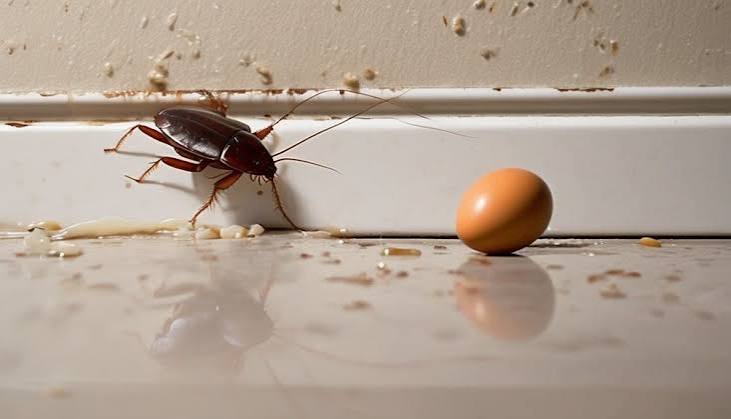
Understanding Cockroach Problems
Cockroach problems can develop quietly because these unwanted insects are capable of hiding in narrow cracks, dark corners, cabinets, drains, wall spaces, and other areas that are rarely disturbed. They are commonly attracted to environments where food, moisture, warmth, and shelter are available, which means kitchens, bathrooms, storage spaces, utility rooms, and poorly maintained outdoor areas may become attractive locations. Seeing one insect does not always mean that a large infestation exists, but repeated sightings, droppings, unpleasant odors, shed skins, egg cases, or activity during different parts of the day should encourage a careful inspection. Cockroach control begins with understanding the conditions that allow these insects to survive and reproduce. Simply removing visible insects may provide temporary improvement if food, water, and entry points remain available. A better approach combines sanitation, moisture management, structural repairs, regular inspections, and carefully selected treatments when necessary. By identifying the causes of recurring activity and correcting them, property owners can create an environment that is less attractive and more difficult for unwanted insects to occupy.
Why Early Prevention Matters
Early prevention is important because cockroaches can reproduce quickly when environmental conditions are favorable. A small number of insects may remain hidden during the day and become active when the surrounding area is quiet and dark. If food particles, moisture, clutter, and suitable hiding spaces are continuously available, the population may gradually increase without being noticed immediately. Cockroach control is more effective when it begins before activity becomes widespread because smaller problems are generally easier to investigate and manage. Property owners should pay attention to repeated sightings around sinks, appliances, cabinets, storage areas, drains, and other locations where food or moisture may be present. Regular cleaning and inspection can reveal early warning signs before the problem becomes more difficult to handle. Preventative maintenance also reduces the chance that insects will spread from one part of a building to another. Taking action early is therefore an important part of maintaining a cleaner and more comfortable environment.
Recognizing Warning Signs
Recognizing the early signs of cockroach activity can help property owners respond before the problem becomes extensive. Small dark droppings may appear inside cabinets, along walls, behind appliances, or around storage areas. Unusual odors can also develop when insects remain in enclosed spaces for extended periods. Shed skins, egg cases, dead insects, and repeated sightings can provide additional clues that activity is occurring nearby. Some insects may remain hidden during normal daytime routines, so an absence of visible activity does not necessarily mean that there is no problem. Cockroach control should begin with careful observation and identification rather than immediately applying random products. Property owners can inspect areas that provide food, water, warmth, and shelter, paying particular attention to dark or undisturbed locations. Identifying patterns can help determine where the insects are entering, hiding, or finding resources. Early recognition allows corrective measures to be introduced before the population becomes harder to manage.
Keeping Food Sources Under Control
Food availability is one of the most important factors influencing whether cockroaches remain around a property. Crumbs, grease, spilled drinks, uncovered food, pet food, overflowing trash, and improperly stored groceries can provide accessible resources. Kitchens should therefore be cleaned regularly, including countertops, floors, cabinets, appliances, and areas underneath furniture or equipment. Food should be stored in sealed containers, particularly items that are kept for long periods. Open packages should be closed securely, and spills should be cleaned as soon as they occur. Trash containers should have suitable lids and should be emptied regularly so organic waste does not remain accessible. Pet feeding areas should also be cleaned after meals, and leftover food should not remain exposed for extended periods. Cockroach control becomes easier when available food sources are reduced because insects have fewer reasons to remain in the area. Good sanitation does not eliminate every possible risk, but it can significantly reduce the resources that support continued activity.
Managing Moisture and Water
Water is another major factor that can support unwanted insect activity. Leaking faucets, damaged pipes, condensation, wet cabinets, clogged drains, and poorly ventilated rooms can create moisture conditions that make a property more attractive. Kitchens, bathrooms, laundry areas, utility rooms, and storage spaces should be checked regularly for leaks and dampness. Plumbing problems should be repaired promptly instead of allowing moisture to remain available for long periods. Sinks should be kept clean, and standing water should not be left in containers or around fixtures. Ventilation can also help reduce excessive humidity in areas where moisture accumulates easily. Cockroach control should always include moisture management because eliminating water sources can make an environment considerably less suitable for these insects. Outdoor drainage should also be considered because water accumulating near walls or foundations can contribute to indoor moisture problems. Keeping both indoor and outdoor areas reasonably dry can support broader prevention efforts and protect the building from moisture-related damage.
Sealing Cracks and Entry Points
Structural openings can provide convenient pathways for cockroaches to enter buildings. Small cracks around walls, doors, windows, pipes, utility lines, cabinets, foundations, and other structural connections may be difficult to notice but can still create access points. Damaged screens and gaps around doors should be repaired, while openings around plumbing and electrical connections should be inspected carefully. Larger cracks may require suitable repair materials depending on their location and cause. Cockroach control is more effective when physical entry points are addressed because reducing access can prevent new insects from entering after existing activity has been treated. Property owners should inspect areas where different building materials meet because these locations can develop small gaps over time. Regular structural maintenance also provides an opportunity to identify moisture damage, deteriorating seals, and other weaknesses. Sealing potential entry points should be considered a preventative measure rather than only a response to an active infestation.
Maintaining Clean Storage Areas
Storage areas can become attractive hiding places when boxes, bags, papers, clothing, and other materials remain undisturbed for long periods. Clutter creates numerous dark spaces where insects may remain hidden and makes it more difficult to notice droppings or other warning signs. Storage areas should therefore be organized so that walls, floors, corners, and shelves can be inspected easily. Cardboard boxes should be kept away from damp areas, and unnecessary materials should be removed instead of accumulating indefinitely. Food products should not be stored loosely, and containers should be checked periodically for damage. Cockroach control benefits from organized storage because reducing clutter limits hiding places and makes inspections much easier. Items that must remain stored for long periods should be arranged neatly and checked from time to time. Good organization can also help property owners identify moisture problems, damaged materials, and signs of unwanted activity before they become extensive.
Cleaning Kitchens Thoroughly
Kitchens require special attention because they combine several conditions that can attract cockroaches, including food, water, warmth, and numerous hiding places. Countertops should be wiped regularly, floors should be cleaned to remove crumbs, and cabinets should be inspected for spilled ingredients. Appliances can also collect food particles underneath and behind them, creating resources that are easy to overlook during normal cleaning. Sinks should be kept dry when practical, and leaking faucets or pipes should be repaired promptly. Trash should be removed regularly, while food packages should be sealed after use. Cockroach control in kitchen areas is strengthened when sanitation becomes part of the daily routine rather than an occasional deep-cleaning task. Small food particles can accumulate in corners, under appliances, and around cabinet edges, so these areas should receive periodic attention. A consistently clean kitchen reduces available resources and makes it easier to notice new signs of activity.
Maintaining Bathrooms and Utility Areas
Bathrooms and utility spaces should also be inspected because moisture and warmth can make them attractive to unwanted insects. Pipes beneath sinks, drains, toilets, washing machines, and other plumbing connections should be checked for leaks. Condensation should be addressed where it occurs repeatedly, and rooms should have sufficient ventilation to reduce excessive humidity. Damp materials should be dried rather than left in enclosed spaces for long periods. Cabinets beneath sinks should remain accessible for inspection so leaks and signs of activity can be detected quickly. Drains should be maintained and cleaned appropriately, particularly when they develop buildup or drainage problems. Cockroach control is more comprehensive when bathrooms and utility spaces receive the same attention as kitchens and food-storage areas. These locations may be overlooked because they contain less food, but moisture can still make them important areas for inspection. Promptly addressing plumbing problems can also protect walls, floors, cabinets, and other building materials.
Managing Outdoor Conditions
Outdoor conditions can influence indoor pest activity because insects may enter from surrounding areas when suitable access points are available. Overgrown vegetation, piles of organic debris, damaged structures, discarded containers, and clutter near exterior walls can create shelter. Grass and plants should be maintained so the area around doors, windows, and walls remains accessible for inspection. Materials stored outside should be organized and kept away from the building when practical. Garbage should be managed properly, while outdoor containers should not be allowed to accumulate unnecessary food waste or moisture. Cockroach control should not be limited to indoor cleaning because exterior conditions can contribute to recurring activity. Regular outdoor inspections can reveal cracks, drainage problems, damaged screens, or other conditions that may allow insects to approach and enter the structure. Maintaining a clean exterior creates fewer hiding places and supports a broader preventative strategy.
Choosing Appropriate Treatment Methods
Different pest situations require different approaches, so identifying the specific insect and understanding the extent of the problem are important before choosing a treatment. Applying random products without knowing where insects are hiding may provide limited results and can create unnecessary exposure. Treatment should be selected according to the product label, the intended pest, the application area, and the safety requirements. Baits, traps, physical exclusion, sanitation, and other methods may have different roles depending on the circumstances. Cockroach control should focus on combining appropriate treatment with environmental improvements rather than relying exclusively on sprays. If food, water, and shelter remain available, newly emerging insects may continue to appear even after visible individuals have been removed. A targeted approach is generally more useful because it addresses both the existing activity and the conditions supporting it. When the problem is extensive or difficult to identify, professional assistance can provide a more detailed inspection and treatment plan.
Using Chemicals Responsibly
Chemical products can sometimes be useful, but they should always be handled carefully and according to their labels. Homeowners should follow instructions regarding application rates, ventilation, protective equipment, storage, and areas where products may or may not be used. More product does not necessarily mean better results, and excessive application can create unnecessary risks. Chemicals should never be mixed unless the label specifically allows the combination. Children and pets should be kept away from treated areas according to the product instructions, and food-preparation surfaces should receive special attention. Cockroach control should emphasize responsible application rather than repeated or excessive chemical use. If a treatment does not solve the underlying problem, simply applying more of the same product may not provide a lasting solution. Identifying food sources, moisture, entry points, and hiding locations can make treatment more effective while reducing unnecessary applications. Professional guidance may be appropriate when the infestation is persistent or when homeowners are uncertain about safe treatment procedures.
Common Prevention Mistakes
Several mistakes can make cockroach problems more difficult to manage. One common error is cleaning only the visible areas while ignoring hidden food particles behind appliances, inside cabinets, or beneath furniture. Another is fixing a leak temporarily without addressing the underlying plumbing problem. Leaving cardboard, paper, and clutter undisturbed for long periods can also create additional hiding places. Some property owners rely entirely on sprays and overlook entry points or environmental conditions that allow insects to return. Cockroach control works best when sanitation, exclusion, moisture management, inspection, and appropriate treatment are combined. Another mistake is failing to monitor the property after treatment, which can make it difficult to determine whether activity is decreasing. Homeowners should observe vulnerable areas regularly and respond to recurring signs instead of assuming that one treatment has permanently solved the problem. A methodical approach can reduce wasted effort and improve long-term results.
The Importance of Regular Inspections
Regular inspections are valuable because pest activity can change as environmental conditions change. Property owners should inspect kitchens, bathrooms, storage areas, utility spaces, garages, basements, attics, exterior walls, doors, windows, and other areas where insects may enter or hide. Particular attention should be given to dark spaces, moisture-prone locations, food-storage areas, and places that remain undisturbed for long periods. Inspections should also take place after plumbing repairs, construction, storms, landscaping changes, or other events that may create new openings or moisture conditions. Cockroach control becomes easier to maintain when inspections are performed consistently rather than only after activity becomes severe. Property owners can keep notes about recurring problem areas and address repeated weaknesses through permanent repairs. Regular monitoring also helps determine whether cleaning, exclusion, drainage improvements, or treatment methods are producing noticeable changes. Early action can prevent minor signs from developing into a larger and more expensive issue.
When Professional Assistance May Be Necessary
Some situations may require professional assistance, particularly when activity continues despite careful sanitation, moisture management, and structural maintenance. Repeated sightings, widespread droppings, multiple affected rooms, persistent odors, or signs of nesting can indicate that insects may be hiding in areas that are difficult to access. A qualified specialist can inspect the property and help identify possible sources, entry points, and environmental conditions. Professional assessment can also help distinguish between different species because treatment methods may vary according to the insect involved. Cockroach control performed by a trained professional may be appropriate when household measures have not produced satisfactory results or when the source remains unclear. Property owners should communicate concerns about children, pets, food areas, and sensitive surfaces before treatment begins. A professional approach should focus on identifying the cause and creating a practical management plan rather than simply applying products to visible insects.
Creating a Long-Term Prevention Routine
Long-term prevention is easier when maintenance becomes part of a regular schedule. Homeowners can create weekly or monthly routines for cleaning food-storage areas, checking plumbing, inspecting cabinets, clearing clutter, examining entry points, and maintaining outdoor spaces. After periods of heavy rain or major maintenance work, additional inspections may be useful because new moisture or structural openings can appear. Food should remain properly stored, trash should be managed consistently, and unused materials should not accumulate unnecessarily. Cockroach control is more sustainable when prevention becomes a normal part of property maintenance instead of an emergency response. A routine also makes it easier to identify small changes in activity and address them promptly. Property owners should focus on correcting recurring causes rather than repeatedly treating symptoms. With consistent attention to sanitation, moisture, storage, exclusion, and inspection, many common conditions that support unwanted insects can be reduced.
Protecting the Property Long Term
A clean and well-maintained property is generally less attractive to unwanted insects because it provides fewer accessible resources and hiding places. Property owners should keep food stored securely, repair leaks quickly, maintain drainage, seal cracks, organize storage areas, and remove unnecessary clutter. Outdoor vegetation and stored materials should also be managed so they do not create convenient shelter close to the building. Cockroach control should be viewed as an ongoing process that combines prevention, monitoring, and targeted action when necessary. No single measure can guarantee that insects will never appear, particularly when surrounding environmental conditions change. However, reducing food, water, shelter, and entry points can significantly improve the overall condition of a property. Regular inspections provide another layer of protection by helping homeowners discover vulnerabilities before they become serious. Consistent maintenance is ultimately one of the most practical ways to support a cleaner and more comfortable living environment.
Final Thoughts
Managing unwanted insects requires more than treating the ones that are visible. A successful approach begins by understanding why pests are attracted to a property and then correcting the conditions that support them. Food sources should be controlled, moisture problems should be repaired, storage spaces should remain organized, structural openings should be sealed, and indoor and outdoor areas should be inspected regularly. Treatment products should be used carefully and according to their labels, while persistent or complicated problems may require professional evaluation. The most useful strategy combines prevention with targeted action so that the underlying causes are addressed rather than repeatedly treating temporary symptoms. With consistent cleaning, proper moisture management, careful storage, structural maintenance, and routine monitoring, property owners can reduce opportunities for unwanted insects to establish themselves. Long-term success depends on consistency because small maintenance tasks performed regularly are generally easier and more effective than waiting until a major infestation requires extensive attention.