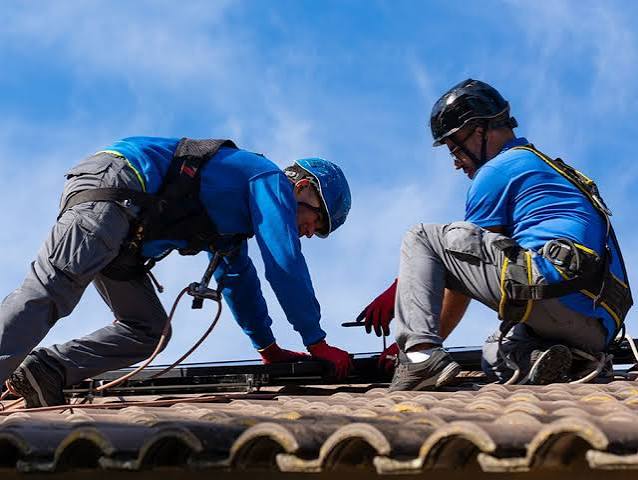
Understanding the Impact of Severe Weather on Your Roof
A roof is designed to provide continuous protection against changing weather conditions, but even the strongest roofing systems can experience damage during severe storms. Heavy rain, strong winds, hail, falling branches, and extreme weather events can weaken roofing materials and create problems that may not always be visible immediately. While some damage appears obvious through missing shingles or visible leaks, many storm-related issues develop beneath the surface and gradually affect the structure of the property. Addressing these concerns quickly is essential to prevent minor damage from becoming a major repair expense.
Professional storm repair services help restore damaged roofing systems by identifying problems, repairing affected areas, and protecting the property from further deterioration. Skilled roofing professionals understand how different types of storms impact roofing materials and use specialized inspection methods to locate both visible and hidden damage. Whether a storm causes small leaks or significant structural concerns, timely repairs help maintain the safety, efficiency, and value of the property.
Storm damage should never be ignored because water infiltration can spread quickly through the roofing system. Once moisture enters beneath damaged materials, it can affect insulation, wooden decking, ceilings, walls, and interior spaces. Early action allows homeowners to protect their investment while reducing the risk of expensive restoration work in the future.
Common Types of Storm Damage Affecting Roofing Systems
Storms can affect roofs in several different ways depending on the intensity of the weather event and the condition of the existing roofing materials. Strong winds are among the most common causes of roofing damage because they can loosen or completely remove shingles, tiles, and other protective materials. Even when shingles remain in place, high winds can weaken their attachment points, making future damage more likely during additional storms.Hail is another major concern because it can create small cracks, dents, and surface damage that may not be immediately noticeable. Over time, these damaged areas allow moisture to penetrate the roofing system, reducing its ability to protect the structure. Hail impact can also remove protective granules from asphalt shingles, accelerating material deterioration and shortening the roof’s lifespan.
Heavy rainfall often exposes existing weaknesses within a roofing system. Damaged flashing, clogged drainage systems, worn seals, and aging materials can allow water to enter the building during intense storms. Even a small opening can lead to significant moisture problems if it remains untreated for an extended period.Falling trees, branches, and debris can create some of the most severe roofing problems. Impact damage may break roofing materials, damage decking, or affect the structural integrity of the roof itself. In these situations, immediate professional evaluation is important to determine the safest and most effective repair solution.
Why Immediate Storm Damage Assessment Is Important
After a severe weather event, many homeowners focus only on visible damage, such as missing shingles or fallen debris. However, some of the most serious roofing problems are hidden and may not appear until weeks or months later. A professional inspection provides a complete assessment of the roofing system and helps identify issues that may otherwise go unnoticed.Experienced roofing professionals examine shingles, flashing, gutters, ventilation components, roof edges, and structural areas to determine the full extent of damage. This detailed evaluation helps create an accurate repair plan while preventing unnecessary expenses caused by overlooked problems.
Delaying necessary repairs can allow water to continue entering the property, leading to mold growth, damaged insulation, weakened wood structures, and interior repairs. Addressing damage as soon as possible improves the chances of restoring the roof effectively without requiring more extensive work later.Professional inspections also provide valuable documentation for homeowners who need to manage insurance claims after storm events. Detailed reports, photographs, and repair estimates help create a clearer understanding of the damage and support the claim process.
The Process of Professional Storm Damage Restoration
A successful roofing restoration project begins with a detailed inspection to determine the condition of the roof and identify all affected areas. Professionals assess the severity of the damage, inspect underlying structures, and recommend the most suitable repair approach based on the findings.Once the inspection is complete, the damaged sections are carefully repaired or replaced using materials that match the existing roofing system whenever possible. This process may include replacing missing shingles, repairing flashing, sealing vulnerable areas, fixing damaged decking, or restoring other roofing components affected by the storm.Quality workmanship is essential because temporary fixes often fail to provide long-term protection. Professional contractors focus on restoring the entire roofing system rather than simply covering visible damage. Proper installation techniques ensure repaired areas integrate effectively with the existing roof while maintaining resistance against future weather conditions.Another important part of restoration involves checking drainage and ventilation systems. Gutters, downspouts, and ventilation components work together with the roof to manage moisture and temperature control. Ensuring these systems function correctly improves overall roof performance and reduces the likelihood of future issues.
Choosing Reliable Professionals for Storm-Related Roofing Needs
Selecting the right roofing professionals plays a major role in the success of any storm damage restoration project. Property owners should look for experienced teams that provide detailed inspections, clear communication, quality materials, and reliable workmanship. A knowledgeable contractor understands the urgency of storm-related issues and responds quickly to help prevent additional damage.Professional roofing companies provide solutions designed around the specific condition of each roof. Instead of applying temporary repairs, they focus on restoring durability and improving long-term protection. Their expertise allows them to identify whether repairs are sufficient or if larger improvements are needed to maintain the safety of the property.
Preventing Future Storm Damage Through Proper Maintenance
Although storms cannot be controlled, homeowners can take proactive steps to reduce the risk of severe roofing damage. Regular maintenance helps identify weak areas before extreme weather exposes existing problems. A well-maintained roof is more likely to withstand strong winds, heavy rainfall, and other challenging conditions compared to a neglected roofing system.Routine inspections allow professionals to examine the condition of shingles, flashing, seals, gutters, and other important components. Small issues such as loose materials, minor cracks, or damaged flashing can often be corrected before they become larger problems during the next storm. Preventive maintenance not only improves roof performance but also extends the overall lifespan of the roofing system.
Keeping gutters and drainage systems clear is another important part of storm preparation. Proper water flow prevents moisture from collecting around the roof edges and reduces the possibility of leaks caused by overflowing gutters. Removing leaves, branches, and debris from the roof surface also helps maintain proper drainage while reducing unnecessary stress on roofing materials.Tree maintenance is equally important for protecting a property during severe weather. Overhanging branches can break during high winds and fall onto the roof, causing significant damage. Trimming weak or damaged branches before storm season reduces the risk of impact damage and helps keep the surrounding area safer.
Understanding Insurance and Storm Damage Claims
When a roof experiences storm damage, many homeowners rely on insurance coverage to help manage repair costs. Understanding the claims process can make the experience easier and help ensure that necessary repairs are completed properly. The first step after a storm is documenting visible damage while avoiding unnecessary risks when inspecting the roof personally.Taking photographs of damaged areas, fallen debris, water stains, and affected interior spaces provides useful information for insurance evaluations. However, professional inspections remain essential because trained roofing specialists can identify hidden problems that may not be visible to an untrained eye.
Working with experienced contractors during the claims process provides additional support because they understand roofing damage assessments and repair requirements. Professional reports and detailed estimates help communicate the extent of the damage clearly while ensuring that important repair needs are properly addressed.Homeowners should also be cautious of temporary solutions that only cover visible problems without restoring the roofing system properly. Quality repairs should focus on long-term protection rather than quick fixes that may lead to repeated issues in the future.
The Importance of Quality Materials During Storm Restoration
The materials used during repairs play an important role in how well a roof performs after restoration. High-quality roofing products provide stronger protection against wind, moisture, impact, and temperature changes. Choosing durable materials helps create a more resilient roofing system that can better handle future weather events.Modern roofing products are designed with improved technology to increase resistance against environmental challenges. Impact-resistant shingles, stronger underlayment systems, and advanced sealing methods provide additional protection while improving overall roof reliability.Professional contractors evaluate the existing roofing system before selecting replacement materials to ensure compatibility and proper performance. Matching materials correctly helps maintain the appearance of the property while ensuring repaired areas function effectively with the rest of the roof.Investing in quality materials during storm restoration often reduces future maintenance requirements and increases the long-term value of the property. A properly restored roof provides dependable protection while giving homeowners greater confidence during future storms.
Improving Roof Strength Before the Next Storm
A storm-damaged roof provides an opportunity to evaluate the overall condition of the roofing system and make improvements that increase future durability. Professional contractors can recommend upgrades that strengthen vulnerable areas and improve resistance against severe weather conditions.Enhanced flashing, improved ventilation, upgraded roofing materials, and stronger installation methods can all contribute to better storm performance. These improvements help reduce weaknesses that may have contributed to previous damage while creating a more reliable roofing system.
Proper ventilation and insulation also play an important role in maintaining roof strength. Excess moisture and temperature fluctuations can weaken roofing components over time, making the system more vulnerable during severe weather. Addressing these factors during restoration improves both durability and energy efficiency.A proactive approach to roofing care allows homeowners to prepare their property rather than waiting for another storm to reveal existing problems. Investing in improvements today can reduce future repair expenses and provide greater protection throughout the year.
Why Professional Storm Restoration Provides Long-Term Benefits
Choosing professional storm repair solutions ensures that damaged roofing systems receive proper attention from experienced specialists who understand the challenges caused by severe weather. Professional restoration focuses on identifying the true source of damage, repairing affected areas correctly, and restoring the roof’s ability to protect the property.Expert roofing teams use proper techniques, reliable materials, and detailed inspections to deliver results that last. Instead of repeatedly addressing the same issues, homeowners benefit from a stronger roofing system designed to provide dependable performance after restoration.
Professional services also provide peace of mind because property owners know their roof has been evaluated and repaired according to industry standards. This confidence becomes especially valuable when facing future storms or unpredictable weather conditions.A properly restored roof protects more than just the building itself. It safeguards belongings, improves indoor comfort, maintains property value, and reduces the stress associated with unexpected roofing problems.
Conclusion
Storms can create serious challenges for any roofing system, but timely action and professional restoration can prevent minor damage from becoming major structural problems. From high winds and hail impacts to heavy rainfall and falling debris, every type of storm damage requires careful evaluation and expert solutions. Investing in professional storm repair services helps restore the strength, safety, and reliability of the roof while protecting the entire property from future risks.Regular inspections, quality materials, proper maintenance, and skilled workmanship all contribute to a longer-lasting roofing system. By addressing storm damage quickly and choosing experienced roofing professionals, homeowners can preserve their investment, improve protection, and maintain confidence that their property is prepared for whatever weather conditions may come next. A strong and properly maintained roof is not only a necessity but also a long-term investment in the safety, comfort, and value of the property.