Why Timely Air Conditioning Repair Matters for Energy Efficiency, Comfortable Indoor Temperatures, Reliable Operation, and Long-Term Performance

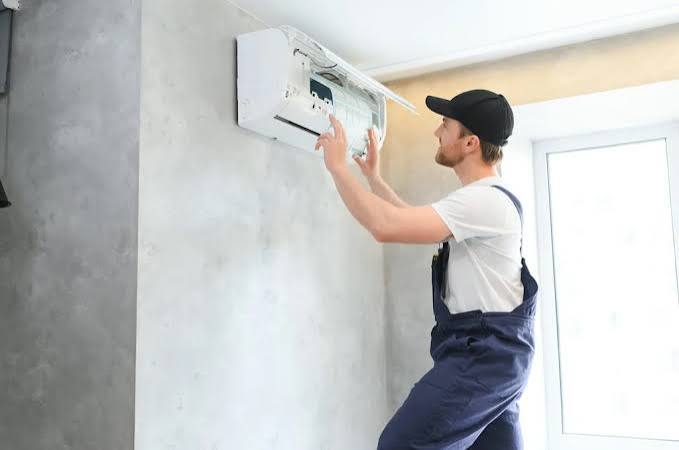
An air conditioning system is an important part of maintaining a comfortable indoor environment, particularly when temperatures rise and cooling equipment needs to operate for extended periods. Like any mechanical and electrical system, an air conditioner can gradually develop problems because of normal wear, dust accumulation, restricted airflow, electrical issues, drainage concerns, or component deterioration. Some problems may initially appear minor, but continuing to operate a system with an unresolved fault can increase energy consumption and place additional stress on other components. Timely air conditioning repair can help identify the actual cause of a cooling problem and restore the system before a small issue becomes a larger and more expensive failure. Prompt attention can also improve comfort, support efficient operation, protect important components, and extend the useful life of the equipment. Understanding the importance of timely repairs can help property owners recognize warning signs and make informed decisions about their cooling systems.
Why Timely Repairs Are Important
Waiting until an air conditioner completely stops working is not always the best approach to system care. Many cooling problems develop gradually, giving property owners warning signs before a major breakdown occurs. Longer operating cycles, weak airflow, unusual sounds, inconsistent temperatures, water around the equipment, or unexplained increases in energy consumption can all indicate that something is not working correctly. Ignoring these symptoms may allow the underlying issue to become more serious and potentially affect other components. Professional service can identify the source of the problem and determine whether a repair, adjustment, cleaning, or component replacement is necessary. Addressing concerns early may reduce inconvenience and help prevent additional damage. Timely service also gives property owners an opportunity to understand the condition of their equipment and decide whether repairing the current system remains practical or whether replacement should eventually be considered.
Recognizing Common Cooling Problems
Air conditioning systems can experience many different problems throughout their service life. Some of the most common concerns include insufficient cooling, weak airflow, frequent cycling, unusual noises, water leaks, thermostat problems, electrical faults, frozen coils, drainage blockages, and refrigerant-related issues. Because several different problems can produce similar symptoms, it is important to determine the underlying cause rather than assuming that a particular component is responsible. For example, poor cooling may be caused by restricted airflow, dirty coils, thermostat problems, or mechanical issues. Similarly, weak airflow may result from a clogged filter, blower problem, blocked ductwork, or another restriction. Professional diagnosis helps distinguish between these possibilities and ensures that the appropriate solution is applied. Accurate troubleshooting can prevent unnecessary part replacements and help restore the system more effectively.
Signs That Your Air Conditioner Needs Attention
Property owners should pay attention to changes in the way their air conditioning system normally operates. A system that suddenly takes much longer to cool the property may be experiencing reduced efficiency or another mechanical problem. Weak airflow from vents can indicate restrictions or blower issues, while frequent on-and-off cycling may suggest thermostat, airflow, sizing, or control concerns. Strange sounds such as grinding, rattling, buzzing, squealing, or banging should also be investigated because they may indicate mechanical or electrical problems. Water leaks, unusual odors, ice formation, or unexplained increases in energy consumption are additional warning signs that should not be ignored. Professional air conditioning repair can help determine whether these symptoms are caused by a simple issue or a more significant system problem. Responding to warning signs early can reduce the risk of additional damage and help maintain dependable cooling performance.
Improving Energy Efficiency
Energy efficiency is one of the most important reasons to address air conditioning problems promptly. A system that is struggling to maintain the desired indoor temperature may operate for longer periods and consume more electricity than necessary. Dirty filters, restricted airflow, contaminated coils, faulty controls, worn motors, and other mechanical problems can all contribute to reduced efficiency. When the equipment operates under unnecessary stress, operating costs may increase while cooling performance declines. Professional inspection can identify conditions that may be reducing efficiency and determine which repairs or adjustments are appropriate. Property owners can also support efficient operation by replacing filters regularly, keeping supply and return vents clear, maintaining reasonable thermostat settings, and arranging routine inspections. Addressing efficiency-related problems early can help the system provide effective cooling without unnecessary operating time.
The Importance of Proper Airflow
Airflow is essential to the performance of an air conditioning system because cooled air must move efficiently through the distribution system. When airflow becomes restricted, the air conditioner may have difficulty removing heat and maintaining consistent temperatures. Common causes of restricted airflow include dirty filters, blocked vents, damaged ductwork, blower problems, or other obstructions. Reduced airflow can cause the system to operate for longer periods, increase energy consumption, and place additional stress on the blower and other components. During a professional inspection, technicians can evaluate the airflow and identify potential restrictions throughout the system. Property owners should also ensure that furniture, curtains, or other objects do not block supply vents and return registers. Maintaining appropriate airflow can improve comfort and help the air conditioner operate closer to its intended performance.
Dealing With Poor Cooling Performance
Poor cooling performance is one of the most common reasons property owners seek professional assistance. An air conditioner may run continuously while failing to provide the expected level of cooling, or certain rooms may remain uncomfortable even though the system appears to be operating. Several factors can cause this problem, including dirty evaporator or condenser coils, restricted airflow, thermostat issues, compressor problems, refrigerant concerns, or ductwork restrictions. It is important to identify the actual cause before attempting a solution because adding a component or making an adjustment without proper diagnosis may not resolve the problem. Professional air conditioning repair allows technicians to inspect relevant components and determine why the system is not delivering adequate cooling. Correcting the underlying issue can improve comfort while reducing unnecessary operating time and preventing additional stress on the equipment.
Addressing Unusual Sounds
Air conditioning systems produce some normal operating sounds, but a sudden change in noise should receive attention. Grinding noises may indicate mechanical wear, while rattling can be associated with loose components. Buzzing or humming may point toward electrical or motor-related concerns, while squealing may indicate problems involving belts or other moving parts depending on the system design. Hissing sounds can have several possible causes and require professional diagnosis rather than assumptions. Continuing to operate a system that is producing significant abnormal noises may allow a developing problem to become more serious. A qualified technician can inspect the equipment and determine whether the sound originates from a fan, motor, electrical component, loose connection, or another part. Early attention can sometimes prevent a relatively minor mechanical issue from developing into a major component failure.
Water Leaks and Drainage Problems
Water around an air conditioning unit can be a sign of a drainage or system problem. During normal cooling operation, moisture is removed from indoor air and collected through the condensate system. This water must drain properly to prevent accumulation around the equipment. A clogged condensate drain, damaged drainage component, frozen coil, or other issue can cause water to appear where it should not. Persistent moisture can create problems for surrounding surfaces and may contribute to unpleasant odors or property damage if ignored. Professional technicians can inspect the drainage system and determine why water is not being removed correctly. They can also investigate whether another system problem is causing excessive condensation or coil freezing. Addressing water-related concerns quickly can help protect the equipment and the surrounding area while reducing the chance of more extensive damage.
Thermostat Problems and Temperature Control
The thermostat plays a central role in controlling an air conditioning system. It measures indoor temperature and communicates when cooling is required. If the thermostat is incorrectly positioned, damaged, poorly calibrated, or incompatible with the system, it may cause inaccurate temperature readings or unnecessary cycling. Property owners may notice that the air conditioner turns on and off too frequently, runs longer than expected, or fails to maintain the selected temperature. Professional technicians can test the thermostat and determine whether it is functioning correctly or whether another system component is responsible for the problem. Thermostat placement also matters because direct sunlight, drafts, nearby heat sources, and other environmental conditions can affect temperature readings. Proper thermostat operation can improve comfort and help the air conditioner operate more efficiently.
Electrical Problems and Component Failure
Air conditioning systems rely on numerous electrical components, including capacitors, relays, motors, wiring, switches, control boards, and safety devices. These components can experience normal wear or fail unexpectedly. Electrical problems may cause the system to struggle during startup, shut down unexpectedly, operate intermittently, or stop cooling completely. Because electrical components can present safety hazards, property owners should avoid attempting complicated repairs without appropriate training and equipment. Professional technicians can inspect relevant electrical connections, measure system performance, and determine whether a component needs adjustment, repair, or replacement. During air conditioning repair, electrical problems can be diagnosed systematically rather than relying on guesswork. Proper diagnosis helps restore dependable operation while reducing the likelihood of repeated failures caused by an unresolved electrical fault.
Refrigerant-Related Concerns
Refrigerant plays an important role in the cooling process, so problems involving refrigerant levels or circulation can significantly affect system performance. An air conditioner with insufficient refrigerant may struggle to cool effectively, operate for longer periods, or develop ice on certain components. However, low refrigerant should not automatically be treated as a routine condition because it may indicate a leak or another underlying problem. Simply adding refrigerant without investigating the cause may provide only temporary improvement. Qualified technicians can evaluate the system and determine whether there is evidence of a leak or another refrigerant-related concern. Because refrigerant service requires specialized knowledge and equipment, it should be handled by an appropriately trained professional. Proper diagnosis and correction can help restore cooling performance and protect the system from unnecessary strain.
Frozen Coils and Restricted Operation
Ice formation on an air conditioning system is another condition that should not be ignored. Frozen evaporator coils can occur because of restricted airflow, refrigerant-related issues, dirty components, or other system problems. When coils freeze, the system may lose cooling capacity even though the equipment continues to operate. Continuing to run the air conditioner under these conditions can increase stress and potentially worsen the underlying problem. Property owners should not attempt unsafe methods to remove ice or assume that refrigerant is automatically the cause. A professional inspection can determine why freezing occurred and identify the appropriate correction. Restoring proper airflow, correcting a refrigerant-related issue, cleaning components, or addressing another underlying fault may be necessary. Resolving the root cause is important because simply allowing the ice to melt does not necessarily fix the problem.
Preventing Small Problems From Becoming Expensive
One of the strongest reasons to seek timely professional service is the opportunity to prevent a minor problem from affecting additional components. A small electrical fault can potentially damage another electrical part if ignored. A restricted filter can contribute to poor airflow and increased system stress. A drainage problem can result in moisture damage if it continues for an extended period. A worn mechanical component may place additional pressure on other moving parts. Professional inspection helps identify these conditions before they become more complicated. When property owners address problems early, they may have more repair options available and may avoid the inconvenience of an unexpected system shutdown. Prompt attention does not guarantee that every major failure can be prevented, but it can reduce the risk associated with known problems and help preserve system reliability.
Supporting Long-Term System Reliability
An air conditioner is a significant investment, and property owners generally want the equipment to provide dependable service for as long as possible. Proper operation, regular maintenance, and timely repairs all contribute to long-term reliability. When components are kept in good condition, the system is less likely to experience unnecessary stress caused by restricted airflow, electrical problems, drainage issues, or mechanical wear. Professional service can also provide useful information about the system’s overall condition and help identify components that may require attention in the future. Property owners should maintain records of repairs and inspections so they can monitor recurring problems and understand the equipment’s service history. A proactive approach can make it easier to determine when continued repair is practical and when replacement may offer better long-term value.
Choosing a Qualified Repair Professional
The quality of repair work can have a significant effect on the future performance of an air conditioning system. Property owners should choose professionals who have appropriate training, relevant experience, and a clear approach to diagnosis. A reliable technician should explain the problem, identify the recommended solution, and provide understandable information about the condition of the equipment. Customers should also be able to ask questions and understand why a particular repair is necessary. Professional air conditioning repair should focus on resolving the underlying cause instead of simply replacing parts without proper diagnosis. Careful workmanship can help prevent recurring problems and provide greater confidence that the system has been restored correctly. Selecting a qualified professional is therefore an important part of protecting the cooling system and maintaining reliable performance.
The Value of Preventive Maintenance
Although timely repairs are important, preventive maintenance can reduce the frequency of problems in the first place. Routine inspections provide an opportunity to check filters, coils, electrical connections, airflow, drainage, controls, and other components before they develop significant faults. Maintenance can also identify worn parts that may need attention in the future. Property owners can perform simple tasks such as checking filters and keeping vents clear, while more complex inspections should be handled by qualified professionals. A consistent maintenance schedule can help identify changes in system performance and provide a useful record of the equipment’s condition. Preventive care does not eliminate every possible failure, but it can reduce avoidable problems and support more predictable operation. Combining regular maintenance with prompt attention to warning signs is one of the most effective approaches to long-term cooling system care.
When Replacement May Be More Practical
There are situations where repeated repairs may no longer be the most economical solution. An older air conditioner that experiences frequent breakdowns, declining efficiency, expensive component failures, or repeated service calls may be approaching the end of its practical service life. However, property owners should consider several factors before deciding to replace the equipment. These include the age of the system, repair history, current efficiency, expected remaining service life, operating costs, and the estimated cost of the proposed repair. A professional evaluation can help determine whether repairing the existing equipment remains sensible. If replacement becomes necessary, property owners can compare equipment efficiency, capacity, features, installation requirements, and expected operating costs. Making the decision based on the overall condition of the system rather than one isolated problem can lead to better long-term results.
Improving Indoor Comfort
Comfort is one of the main reasons people rely on air conditioning systems, and timely service can help maintain consistent indoor temperatures. A system that is struggling with airflow, electrical problems, poor cooling capacity, or thermostat issues may create uneven temperatures throughout the property. Some rooms may remain warm while others become excessively cool, making it difficult to maintain a comfortable environment. Addressing the underlying problem can help the system distribute cooled air more effectively and respond appropriately to thermostat settings. Property owners can also support comfort by keeping vents clear, maintaining appropriate thermostat settings, and ensuring that filters are replaced when necessary. A properly functioning cooling system should be able to provide predictable temperature control without excessive operating cycles or unexplained performance changes.
Final Thoughts on Timely Cooling Service
Timely attention to air conditioning problems can make a significant difference in system efficiency, comfort, reliability, and long-term operating costs. Warning signs such as weak airflow, poor cooling, unusual noises, water leaks, frequent cycling, frozen coils, thermostat problems, and rising energy consumption should not be ignored. Professional air conditioning repair can help identify the underlying cause of these problems and restore the equipment to proper operation. Property owners can further protect their systems by maintaining filters, keeping airflow pathways clear, arranging preventive inspections, and responding promptly when performance changes occur. Although every air conditioner eventually requires replacement, responsible care can help maximize its useful life and reduce unnecessary strain on important components. By combining timely professional service with regular maintenance and attentive system use, property owners can support comfortable indoor temperatures, better energy efficiency, dependable operation, and long-term cooling performance.