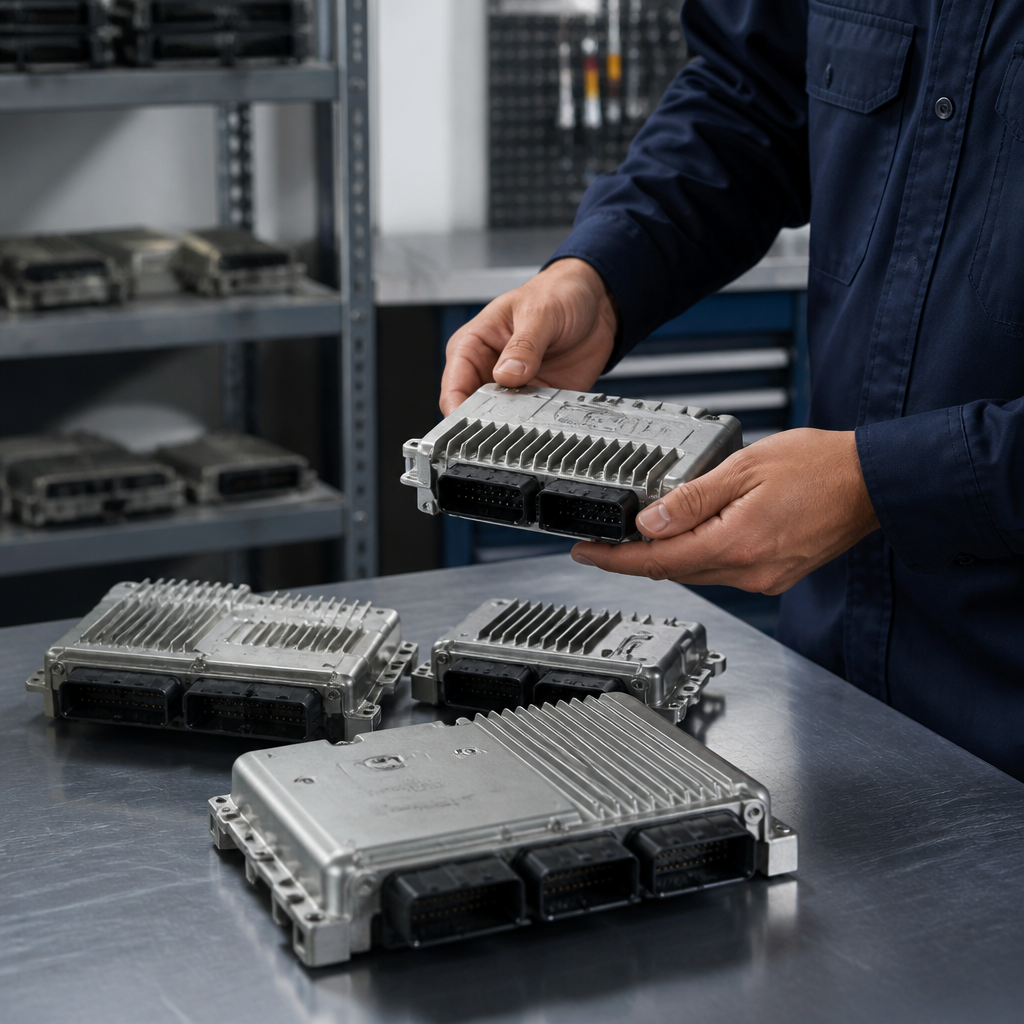
When a diesel engine starts misfiring, losing power, or throwing persistent fault codes, the culprit is often the Engine Control Module — the brain behind every critical function in a modern diesel powertrain. Whether you manage a commercial fleet, operate heavy equipment, or own a diesel-powered vehicle, understanding how to source a reliable ECM is essential. The market for diesel engine control modules has grown significantly, and knowing what to look for before you buy can save you thousands in unnecessary repairs and downtime.
What Is a Diesel ECM and Why Does It Matter?
The Engine Control Module, commonly referred to as an ECM or ECU, is the central processing unit of a diesel engine. It continuously monitors and adjusts fuel injection timing, air-to-fuel ratios, turbocharger pressure, exhaust gas recirculation, and dozens of other parameters — all in real time. In diesel engines specifically, the ECM plays an even more critical role because diesel combustion relies on precise injection timing rather than spark ignition. A failing or failed ECM can cause symptoms ranging from hard starts and rough idling to complete engine shutdown.
Unlike gasoline engines, diesel systems operate under significantly higher compression ratios and injection pressures. This means the ECM must be calibrated precisely to the engine’s specifications. A generic or improperly programmed module will not only fail to resolve the original issue — it can introduce new problems that are far more expensive to diagnose and repair.
New, Used, or Rebuilt: Understanding Your ECM Options
When shopping for a diesel ECM, buyers typically encounter three categories: new OEM units, used units pulled from donor vehicles, and professionally rebuilt modules. Each option carries its own trade-offs in terms of cost, reliability, and availability.
New OEM ECM Units
A brand-new ECM sourced directly from the original equipment manufacturer offers the highest level of reliability and comes with a manufacturer warranty. However, new OEM units are often the most expensive option and may require dealer-level programming to match the vehicle’s VIN and existing hardware. For older diesel platforms, new OEM units may also be discontinued, making this option unavailable entirely.
Used ECM Units
Used ECMs sourced from salvage yards or parts dealers can be a cost-effective solution, particularly for older diesel engines where OEM parts are no longer in production. The key risk with used units is unknown service history. A used ECM may have accumulated internal wear, water damage, or corrupted firmware that isn’t immediately apparent. Always verify the part number compatibility and ask about any testing or inspection the unit has undergone before purchase.
Rebuilt ECM Units
Professionally rebuilt ECMs represent a middle ground between new and used. Reputable rebuilders disassemble the unit, replace worn or damaged components, re-solder connections, update firmware where applicable, and test the module under load before resale. A quality rebuilt ECM can perform as reliably as a new unit at a fraction of the cost — provided it comes from a trusted source with a clear warranty policy.
The Role of Precision Engineering in ECM Longevity
One often-overlooked factor in ECM reliability is the quality of the components used during manufacturing or rebuilding. Circuit boards, capacitors, and connectors must meet tight tolerances to withstand the thermal cycling and vibration inherent in diesel engine environments. This is why precision manufacturing matters not just in engine components, but in the electronic systems that govern them. Industries focused on reducing material waste and improving component accuracy — such as those highlighted in work on precision engineering and stainless steel waste reduction — are directly influencing the quality standards that ECM manufacturers and rebuilders must meet. Better materials and tighter tolerances translate directly into longer-lasting, more reliable electronic control modules.
Fuel Injection Systems and ECM Compatibility
Understanding the type of fuel injection system your diesel engine uses is critical when sourcing a replacement ECM. Common rail, unit injector, and pump-line-nozzle systems each have distinct ECM requirements. The module must be programmed to communicate correctly with the injectors, sensors, and actuators specific to your system. Mismatched programming is one of the most common causes of post-replacement failure. For a thorough breakdown of how different injection systems work and what distinguishes them, this detailed guide to fuel injection types provides an excellent technical foundation for any diesel owner or technician.
Where to Source a Reliable Diesel ECM
If you’re searching for ecom for sale, diesel ecom for sale, buy ecom diesel — Goldfarb Inc. offers an extensive inventory of new, used, and rebuilt ECM units across a wide range of diesel engine platforms. Their catalog covers everything from light-duty pickup trucks to heavy commercial equipment, with each unit vetted for compatibility and performance. Goldfarb Inc. has built a reputation in the diesel parts industry for providing reliable electronic components backed by knowledgeable support staff who can help match the correct module to your specific application.
About Goldfarb Inc.
Goldfarb Inc. has been a trusted name in the diesel parts and engine components market for decades. Specializing in hard-to-find and high-demand electronic control modules, the company serves independent mechanics, fleet managers, dealerships, and individual diesel owners across North America. Their commitment to quality control and customer service sets them apart in a market where counterfeit and substandard parts are an ongoing concern. With a comprehensive online inventory and expert staff available to assist with part identification and compatibility questions, Goldfarb Inc. remains a go-to resource for anyone navigating the complexities of diesel ECM replacement.
Key Considerations Before You Buy
Before finalizing any ECM purchase, there are several practical steps every buyer should take. First, confirm the exact part number required for your engine and vehicle configuration — even minor variations in part numbers can indicate significant differences in programming or hardware. Second, verify whether the unit requires VIN-specific programming and whether the seller provides that service or can recommend a qualified programmer. Third, review the warranty terms carefully. A reputable seller will stand behind their product with at minimum a 90-day warranty, and many quality rebuilders offer coverage of one year or more.
Finally, consider the total cost of ownership rather than just the upfront price. A cheaper unit that fails within months will cost far more in labor, downtime, and repeat purchases than a slightly more expensive unit from a verified source. In the diesel ECM market, quality and reliability are worth paying for.
Conclusion
Sourcing the right diesel ECM doesn’t have to be a frustrating or risky process. By understanding the differences between new, used, and rebuilt units, knowing your fuel injection system’s requirements, and working with established suppliers who specialize in diesel electronics, you can make a confident, informed purchase. Whether you’re dealing with an urgent breakdown or planning a proactive replacement, the right ECM — properly matched and programmed — will restore your diesel engine’s performance and protect your investment for the long term.