Wisdom teeth removal is one of the most common dental procedures performed worldwide. While the surgery itself is routine, the recovery process plays a significant role in determining how quickly and comfortably a person heals. One of the most important aspects of recovery is choosing the right foods to eat after wisdom teeth removal.
The extraction site is sensitive and requires time to heal properly. Eating hard, crunchy, spicy, or sticky foods too soon can irritate the wound, increase pain, and even lead to complications such as dry socket. On the other hand, consuming soft, nutrient-rich foods can promote healing, reduce discomfort, and provide the body with the energy it needs during recovery.
In this comprehensive guide, we’ll explore the best foods to eat after wisdom teeth removal, foods to avoid, and tips for ensuring a smooth recovery.
Why Your Diet Matters After Wisdom Teeth Removal
After wisdom tooth extraction, your mouth forms blood clots over the surgical sites. These blood clots are essential because they protect the underlying bone and nerves while healing takes place.
Certain foods and eating habits can disrupt these clots, causing pain and delaying recovery. A carefully planned diet can help:
- Reduce irritation and inflammation
- Promote tissue repair
- Prevent infection
- Maintain hydration
- Support overall healing
For the first few days, focus on soft foods that require little or no chewing. As your mouth heals, you can gradually introduce more solid foods.
Best Foods to Eat After Wisdom Teeth Removal
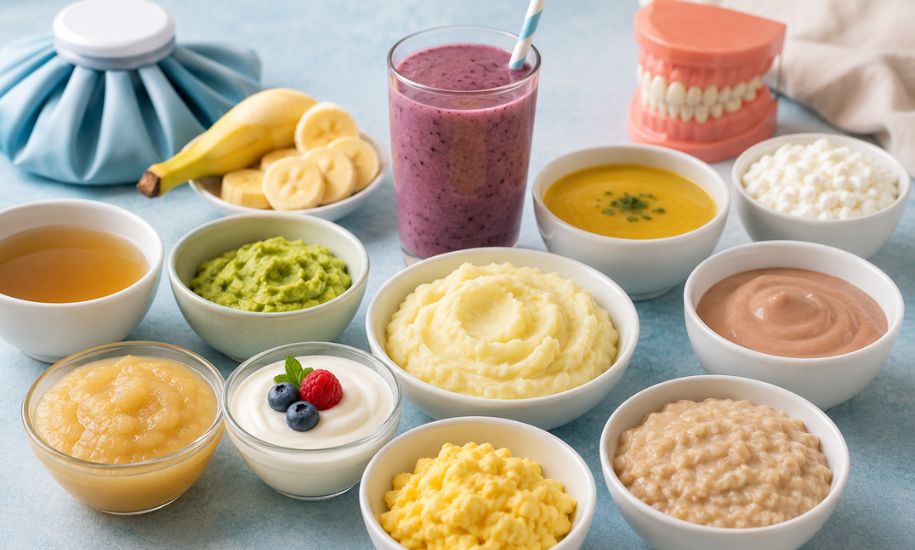
1. Yogurt
Yogurt is often considered one of the best foods after oral surgery. It has a smooth texture, requires no chewing, and provides important nutrients such as calcium, protein, and probiotics.
Greek yogurt is particularly beneficial because it contains higher amounts of protein, which supports tissue repair and recovery.
2. Applesauce
Applesauce is easy to swallow and gentle on sensitive gums. It contains vitamins, antioxidants, and natural sweetness without requiring any chewing.
Choose unsweetened applesauce whenever possible to reduce unnecessary sugar intake during recovery.
3. Mashed Potatoes
Mashed potatoes are filling, comforting, and easy to eat after wisdom teeth extraction. They provide carbohydrates that help maintain energy levels during recovery.
For best results, ensure the potatoes are smooth and free from chunks that could irritate the surgical area.
4. Smoothies
Smoothies are an excellent way to consume fruits, vegetables, protein, and healthy fats while avoiding excessive chewing.
Popular smoothie ingredients include:
- Bananas
- Strawberries
- Mangoes
- Peaches
- Greek yogurt
- Protein powder
- Oat milk or almond milk
However, avoid drinking smoothies through a straw. The suction can dislodge blood clots and increase the risk of dry socket.
5. Scrambled Eggs
Scrambled eggs are soft, nutritious, and packed with protein. Since protein is essential for tissue healing, eggs can play an important role in your recovery diet.
Cook them until soft and fluffy to make them easier to eat comfortably.
6. Soup and Broth
Soups provide hydration, vitamins, and minerals while being easy to consume. Broths can help keep you nourished during the first few days after surgery.
Good choices include:
- Chicken broth
- Vegetable broth
- Tomato soup
- Pumpkin soup
- Blended vegetable soup
Allow soups to cool before eating because hot foods can irritate the extraction site.
7. Bananas
Bananas are naturally soft and can easily be mashed for easier consumption. They are rich in potassium, vitamin B6, and vitamin C, making them a healthy recovery food.
Their creamy texture makes them ideal for the first few days after surgery.
8. Avocados
Avocados are packed with healthy fats, fiber, and vitamins. Their naturally creamy consistency means they can be eaten with minimal chewing.
You can mash avocado and eat it plain or combine it with other soft foods.
9. Oatmeal
Once the initial soreness begins to decrease, oatmeal becomes a nutritious breakfast option. It contains fiber, vitamins, and minerals that support overall health.
Ensure the oatmeal is soft and cooled before eating.
10. Cottage Cheese
Cottage cheese is another excellent source of protein that requires little chewing. Its soft texture makes it suitable during the healing process.
It can be enjoyed alone or mixed with soft fruits such as mashed bananas.
11. Pudding and Gelatin
Pudding and gelatin desserts are smooth, easy to swallow, and comforting after surgery. They can satisfy cravings while minimizing discomfort.
Choose varieties without nuts, candies, or crunchy toppings.
12. Ice Cream
Ice cream can provide temporary relief from swelling and discomfort thanks to its cold temperature.
While it should not replace nutritious meals, it can be a pleasant occasional treat during recovery.
13. Soft Fish
Soft fish such as salmon, cod, and tilapia provide high-quality protein and healthy omega-3 fatty acids.
These nutrients help reduce inflammation and support tissue repair.
14. Well-Cooked Pasta
As healing progresses, soft pasta becomes a good source of carbohydrates and calories.
Avoid pasta with hard ingredients or crunchy toppings until your mouth has healed sufficiently.
15. Hummus
Hummus offers plant-based protein and healthy fats in a smooth, easy-to-eat form. It is an excellent choice for vegetarians recovering from wisdom tooth extraction.
Choose plain hummus without large chunks or seeds.
Foods to Eat During Different Recovery Stages
First 24 Hours
The first day is the most critical period for healing. Focus on foods that require no chewing.
Recommended foods:
- Yogurt
- Applesauce
- Smoothies
- Broth
- Ice cream
- Pudding
- Mashed banana
Drink plenty of water and avoid any food that could disturb the blood clot.
Days 2–3
By the second and third day, swelling often begins to improve.
Good options include:
- Mashed potatoes
- Scrambled eggs
- Oatmeal
- Cottage cheese
- Avocado
- Soft soups
Continue avoiding crunchy and spicy foods.
Days 4–7
As healing progresses, you may gradually introduce foods with slightly more texture.
Examples include:
- Soft pasta
- Mac and cheese
- Soft fish
- Rice
- Pancakes
- Tender shredded chicken
Always listen to your body and stop eating any food that causes discomfort.
Foods to Avoid After Wisdom Teeth Removal
Knowing what not to eat is just as important as knowing what to eat.
Avoid the following foods:
Crunchy Foods
Crunchy foods can damage healing tissues and become lodged in extraction sites.
Examples:
- Chips
- Crackers
- Pretzels
- Popcorn
Hard Foods
Hard foods require excessive chewing and can place pressure on the surgical area.
Examples:
- Nuts
- Raw carrots
- Hard candy
Sticky Foods
Sticky foods may pull on blood clots and increase discomfort.
Examples:
- Chewing gum
- Caramel
- Taffy
Spicy Foods
Spices can irritate sensitive tissues and delay healing.
Examples:
- Hot sauce
- Chili peppers
- Spicy curries
Acidic Foods
Acidic foods may cause stinging and irritation.
Examples:
- Citrus fruits
- Lemon juice
- Vinegar-heavy foods
Hot Foods and Drinks
Very hot foods can dissolve blood clots and interfere with healing.
Always allow food to cool before consuming.
Hydration Tips After Wisdom Teeth Removal
Staying hydrated is essential during recovery. Water helps transport nutrients throughout the body and supports tissue repair.
Hydration tips include:
- Drink water frequently
- Avoid alcohol
- Limit caffeinated beverages
- Avoid carbonated drinks initially
- Never use a straw
The suction created by straws is one of the leading causes of dry socket after wisdom teeth extraction.
Common Recovery Mistakes to Avoid
Many patients unintentionally slow their recovery by making simple mistakes.
These include:
- Eating solid foods too soon
- Drinking through straws
- Smoking
- Skipping meals
- Ignoring dentist instructions
- Consuming excessively hot foods
Avoiding these mistakes can significantly improve healing outcomes.
When to Return to a Normal Diet
Most people can gradually resume normal eating habits within one to two weeks after wisdom teeth removal. However, healing times vary based on:
- Age
- Overall health
- Number of teeth removed
- Complexity of extraction
- Individual recovery speed
Always follow your dentist’s recommendations regarding dietary progression.
Final Thoughts
Choosing the right foods to eat after wisdom teeth removal can make a significant difference in your recovery experience. Soft, nutrient-rich foods such as yogurt, mashed potatoes, smoothies, eggs, soup, bananas, and avocados help promote healing while minimizing discomfort. At the same time, avoiding crunchy, hard, spicy, and sticky foods can reduce the risk of complications and support faster recovery.
A balanced recovery diet not only protects the extraction site but also provides the nutrients your body needs to heal effectively. By following these dietary recommendations and maintaining proper oral hygiene, you can return to your normal routine more comfortably and confidently.
For more health, wellness, and lifestyle guides, be sure to visit Insider Newz, where we regularly publish informative articles designed to help readers make smarter everyday decisions.