Major physical changes, whether from significant weight loss or pregnancy, often leave behind loose skin and stretched muscles that targeted exercise cannot fix. Many individuals turn to cosmetic surgery to restore their confidence and reshape their figures. If you are considering undergoing an Abdominoplasty in UK clinics, you will find that understanding how different procedures target specific areas is essential. While some people require abdominal rejuvenation, others benefit more from lifting and reshaping their breasts. This article examines how abdominoplasty and breast uplift surgeries address distinct aesthetic concerns, helping you make an informed decision about your personal surgical journey and recovery.
Target Areas of an Abdominoplasty
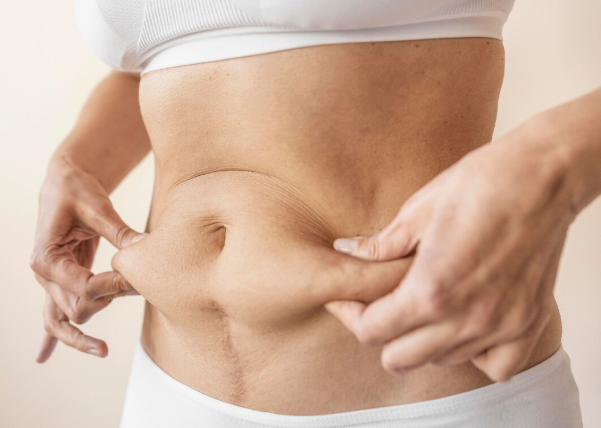
An abdominoplasty, commonly known as a tummy tuck, specifically targets the midsection. This procedure is highly effective for individuals who struggle with stretched abdominal muscles and loose skin following pregnancy or massive weight loss. During the surgery, a plastic surgeon makes an incision across the lower abdomen, typically from hip to hip. Through this incision, they repair and tighten the underlying abdominal wall muscles, which may have separated during pregnancy—a condition known as diastasis recti.
Once the muscles are secured, the surgeon drapes the remaining skin, removes the excess tissue, and repositions the belly button to create a natural appearance. This process results in a flatter, firmer abdominal profile that diet and exercise alone cannot achieve. It is a highly customisable procedure, ranging from a mini-tummy tuck for minor skin laxity below the navel to a full abdominoplasty for comprehensive abdominal restoration. Patients choosing an Abdominoplasty in UK hospitals benefit from rigorous safety standards and highly trained specialists who tailor the procedure to individual anatomical needs. By addressing both structural muscle damage and superficial skin laxity, this surgery provides a long-term solution for midsection rejuvenation. Furthermore, the psychological benefits of a flatter stomach are substantial. Many patients report a renewed sense of self-esteem and comfort in form-fitting clothing, which drastically improves their daily quality of life.
Addressing Sagging with a Breast Uplift
While a tummy tuck focuses on the midsection, a breast uplift, or mastopexy, addresses changes in the upper body. Factors such as gravity, pregnancy, and weight loss cause breasts to lose elasticity, leading to sagging and downward-pointing nipples. A breast uplift resolves this by removing excess skin, tightening the tissue, and raising the nipple to a youthful position.
Reshaping Versus Changing Volume
Crucially, a standard breast uplift does not significantly alter breast size; instead, it reshapes existing tissue to create a perkier silhouette. For those desiring extra volume, surgeons can combine the uplift with implants. Patients looking for a breast uplift in Bristol can find specialised clinics offering tailored treatment plans. These local specialists focus on achieving natural proportions that balance the upper body, helping clothing fit comfortably and restoring personal confidence.
Combining Procedures for a Unified Silhouette
For many individuals, physical changes do not occur in isolation. Pregnancy and weight loss affect both the abdomen and the breasts simultaneously, leading many patients to consider combining an abdominoplasty with a breast uplift. Often referred to as a maternal aesthetic restoration or a body contouring package, combining these surgeries allows patients to address multiple areas of concern in a single operation.
One of the primary advantages of undergoing combined procedures is the single recovery period. Rather than undergoing two separate surgeries with individual healing timelines, patients only need to plan for one block of downtime. This approach is highly efficient for busy individuals who want to minimise disruption to their work and family lives. Additionally, having one round of general anaesthesia reduces overall medical risks and can be more cost-effective. However, combined surgery is physically demanding and requires a thorough assessment of the patient’s general health. When planning these comprehensive treatments, consulting with experienced specialists who perform both abdominal contouring and a breast uplift in Bristol ensures a coordinated approach to safety and aesthetic harmony. The surgeon will evaluate your fitness levels to ensure you are an ideal candidate for a combined procedure, prioritising your well-being throughout.
Key Considerations and Recovery Expectations
Understanding the recovery process is crucial for achieving the best surgical outcomes. Both surgeries require a commitment to post-operative care and patience as the body heals. An abdominoplasty typically involves a longer recovery period than a breast uplift, as the abdominal muscles need time to heal from being repaired and tightened. Patients usually need to wear a supportive compression garment around their midsection for several weeks to reduce swelling and support the new contours.
In contrast, recovery from a breast uplift involves wearing a surgical support bra to minimise movement and promote proper healing of the breast tissue. While light activities can often be resumed within a couple of weeks, strenuous exercise and heavy lifting must be avoided for at least six weeks for both procedures. It is also important to discuss scar management with your surgeon. While incisions are placed discreetly—along the bikini line for a tummy tuck and around the areola for an uplift—they require proper care, such as silicone gel application and sun protection, to fade optimally over time. Whether you undergo an Abdominoplasty in UK clinics or choose local care in the West Country, following your surgeon’s specific recovery protocol is vital for protecting your results and ensuring a safe, smooth healing journey.
Selecting a Qualified Plastic Surgeon
Selecting the right surgeon is the most critical decision in your cosmetic surgery journey. In the United Kingdom, cosmetic surgery is highly regulated, but patients must still do their due diligence. You should always ensure your chosen surgeon is registered with the General Medical Council (GMC) and listed on the Specialist Register for Plastic Surgery. Membership in professional bodies such as the British Association of Aesthetic Plastic Surgeons (BAAPS) or the British Association of Plastic, Reconstructive and Aesthetic Surgeons (BAPRAS) is a strong indicator of high standards and ongoing professional training.
During your initial consultation, do not hesitate to ask about the surgeon’s experience performing the specific procedures you want. Ask to see before-and-after photographs of previous patients with similar body types to gauge their aesthetic style. A reputable surgeon will provide honest advice, outline the potential risks, and never rush you into making a decision. For those seeking specialized care, finding a surgeon who regularly performs both tummy tucks and a breast uplift in Bristol or other major medical hubs ensures you receive expert care close to home. This local accessibility is incredibly beneficial for post-operative follow-up appointments, where your surgeon can monitor your healing and address any concerns immediately.
Conclusion
Deciding to undergo body contouring surgery is a deeply personal choice that requires careful consideration of your physical goals and expectations. While an abdominoplasty restores structural integrity and smoothness to a stretched midsection, a breast uplift addresses sagging and loss of firmness in the upper body. Whether you choose to target these areas individually or combine them for a more comprehensive transformation, selecting a qualified, board-certified surgeon is the key to achieving safe, beautiful, and long-lasting results. By understanding the distinct purposes of each procedure and preparing thoroughly for the recovery process, you can confidently take the next steps toward reclaiming your body shape and restoring your self-confidence.
Also Read | How Plastic Surgeons Assess Patients Before Breast Augmentation