Hair loss affects millions of people globally, yet the path to restoring a natural hairline is highly individual. Modern hair restoration relies on two primary surgical methods: Follicular Unit Extraction (FUE) and Follicular Unit Transplantation (FUT). While some clinics present these techniques as competing choices, top surgeons increasingly recommend a combined FUE and FUT hair transplant in London to address advanced hair thinning. Choosing between these methods, or choosing to combine them, depends on your specific hair loss pattern, scalp elasticity, and long-term restoration goals. By understanding how each technique addresses different hair restoration needs, you can make an informed decision alongside your specialist to achieve the most natural-looking, dense results possible.
Understanding FUE and FUT as Distinct Methods
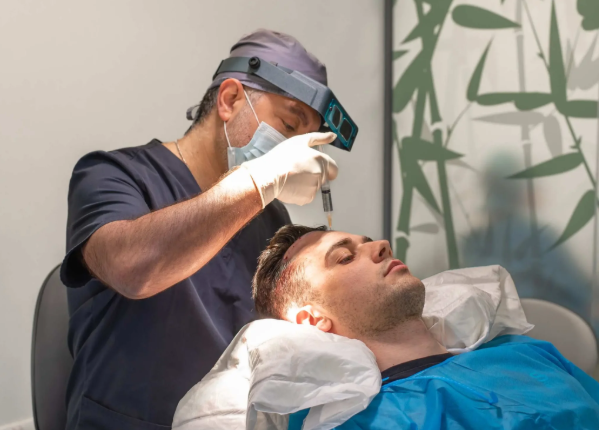
To appreciate how these techniques solve different problems, we must first examine how they harvest donor hair. Follicular Unit Extraction (FUE) involves extracting individual hair follicles directly from the donor area, usually the back and sides of the head, using a microscopic punch tool. This method leaves tiny, dot-like scars that are virtually invisible, even with short haircuts. FUE is highly flexible and ideal for patients who prefer to keep their hair short or only require a moderate number of grafts to restore areas like the temples or crown.
In contrast, Follicular Unit Transplantation (FUT), often called strip surgery, involves removing a small strip of tissue from the donor zone. Surgeons then dissect this strip under high-powered microscopes into individual follicular units. FUT typically yields a higher number of robust grafts in a single session because it preserves the protective tissue surrounding the follicles. While FUT leaves a linear scar, this is easily concealed by longer hair. For patients experiencing extensive balding, FUT provides a highly efficient way to harvest large volumes of hair. By selecting the harvest method that matches the patient’s lifestyle and donor hair availability, surgeons can preserve the donor area while maximising coverage.
Maximising Graft Yield with Combined Procedures
For patients experiencing advanced stages of male pattern baldness, a single technique may not yield enough grafts to cover the entire balding area. This is where a combined FUE and FUT hair transplant in London offers a powerful solution. By utilising both methods during a single treatment plan, or even over consecutive days, surgeons can harvest a significantly larger number of grafts than would be possible using either technique alone.
During this dual-method procedure, the surgeon first performs an FUT harvest to secure a large volume of high-quality grafts from the mid-donor zone. Immediately following this, or in a subsequent session, the surgeon uses FUE to harvest additional grafts from the areas above and below the strip extraction site. This strategic approach maximises the total graft count while safeguarding the donor area from over-harvesting, which can lead to a patchy appearance. Combining these methods allows specialists to address severe hair loss, restoring both the frontal hairline and the crown in a shorter overall timeframe. Ultimately, this approach minimises the need for multiple separate surgeries over several years, offering a comprehensive path to full-head coverage for those who qualify.
Tailoring Hair Restoration for Women
Hair loss in women presents unique challenges that require a different anatomical approach than male pattern baldness. Female hair thinning typically manifests as diffuse thinning across the top of the scalp while preserving the frontal hairline. Consequently, a female hair transplant in London requires a highly customised strategy to protect existing hair follicles while inserting new ones.
Why FUT is Often Preferred for Female Restoration
FUT is frequently the preferred method for female patients because it does not require shaving the donor area. The surgeon can harvest the strip of tissue and easily conceal the linear scar beneath the surrounding long hair. This allows women to return to their daily routines without any obvious signs of surgery.
When FUE Benefits Female Patients
However, FUE is also highly beneficial for women who have tight scalps with low elasticity, making strip harvesting difficult. FUE can target specific, high-density areas to harvest smaller numbers of grafts for targeted temple restoration or eyebrow reconstruction. Modern clinics offering female hair transplant in London evaluate hair density, scalp laxity, and future thinning patterns to design a bespoke treatment. This ensures the transplanted hair blends seamlessly with the natural growth direction, creating a soft, feminine hairline and restoring overall volume.
Choosing the Right Technique for Your Hair Loss Stage
Selecting the ideal hair restoration path requires a detailed assessment of your current hair loss stage and your long-term expectations. Younger patients who are just beginning to notice thinning at the temples often benefit most from FUE. This technique allows for precise, targeted placement of grafts to rebuild the hairline without committing to a linear scar early in life, leaving the door open for future procedures if hair loss progresses.
For individuals with advanced hair loss, relying solely on FUE can deplete the donor area, leading to thinness at the back of the head. In these cases, starting with FUT or opting for a combined FUE and FUT hair transplant in London is often the most sustainable strategy. This preserves the donor area for potential future touch-ups while achieving maximum density in the current session. Additionally, personal lifestyle factors, such as how you wear your hair and your tolerance for downtime, play a critical role in this decision. A thorough consultation with an experienced hair transplant surgeon will help you weigh these variables, ensuring you select a technique that aligns with your biology and your aesthetic goals.
The Importance of Donor Management and Scalp Health
The success of any hair restoration procedure depends heavily on the careful management of the donor area. The donor zone contains a finite number of healthy, DHT-resistant hair follicles. Over-harvesting this region can lead to permanent thinning and visible scarring, which is why skilled surgeons focus on long-term donor preservation.
When planning a female hair transplant in London, surgeons must be exceptionally precise, as diffuse thinning can sometimes affect the donor area itself. Harvesting must only occur in zones where the hair is genetically programmed to remain permanent. For male patients, managing the donor site involves assessing scalp laxity before deciding on FUT, as a tight scalp can make healing more difficult. By contrast, FUE requires spacing out the extractions to maintain a natural hair density in the donor zone. Understanding these anatomical limitations is why top-tier clinics perform rigorous scalp assessments before recommending a specific technique. Whether you undergo FUE, FUT, or a combination of both, the primary goal is always to achieve maximum coverage on top while maintaining a healthy, natural-looking donor area at the back.
Conclusion
Achieving a successful hair transplant requires matching the right surgical technique to your unique pattern of hair loss. FUE offers outstanding precision and minimal visible scarring for minor to moderate restoration, while FUT remains the gold standard for harvesting large numbers of grafts efficiently. For those experiencing advanced hair loss, a combined FUE and FUT hair transplant in London offers a powerful, comprehensive solution that maximises density while protecting the donor area. Likewise, specialised options like a female hair transplant in London cater to the distinct patterns of female hair thinning. By consulting with an experienced specialist, you can design a personalised treatment plan that restores your hair and your confidence.
Also Read | Understanding Modern PTSD And OCD Treatment Options In London